The common thread in this week's app news is that the standalone app is losing its status as the place where things happen. Sony is retiring its long-running cross-product support app and sending customers to dedicated alternatives, Google is putting the Gemini app inside Apple CarPlay, and Samsung's customization story is about changing how apps look on the home screen rather than what any one app does. In each case the unit of value is shifting from the individual download to the surface that organizes it, and that shift has consequences for US developers, platforms and phone buyers.
Support as a layer, not an app
As Engadget reported, Sony is ditching its cross-product support app after more than a decade of use, and customers will need to switch to a less-efficient means of monitoring their favorite Sony products and gadgets. The detail that matters is not that a company retired an app; app retirements are routine. It is that Sony judged a single organized surface for a whole product portfolio to be expendable, and that the replacement is described as less efficient rather than more.
That is a striking admission. For years, the received wisdom in the US market was that a manufacturer should consolidate service touchpoints into one app to keep customers inside its own ecosystem. Sony appears to be concluding the opposite: that maintaining a broad support app across a scattered device portfolio costs more than it returns, and that narrower, dedicated tools are the better bet. For US owners of Sony hardware, the practical effect is fragmentation. Monitoring moves from one place to several, and the burden of remembering which tool belongs to which product falls on the customer.
There is a platform lesson here for US technology companies weighing similar consolidations. A support app is a promise of continuity. Withdrawing one is a small breach of that promise, and customers notice when a decade-old habit is broken, even if the replacement is functional. The savings are real, but so is the goodwill being spent.
Gemini rides someone else's dashboard
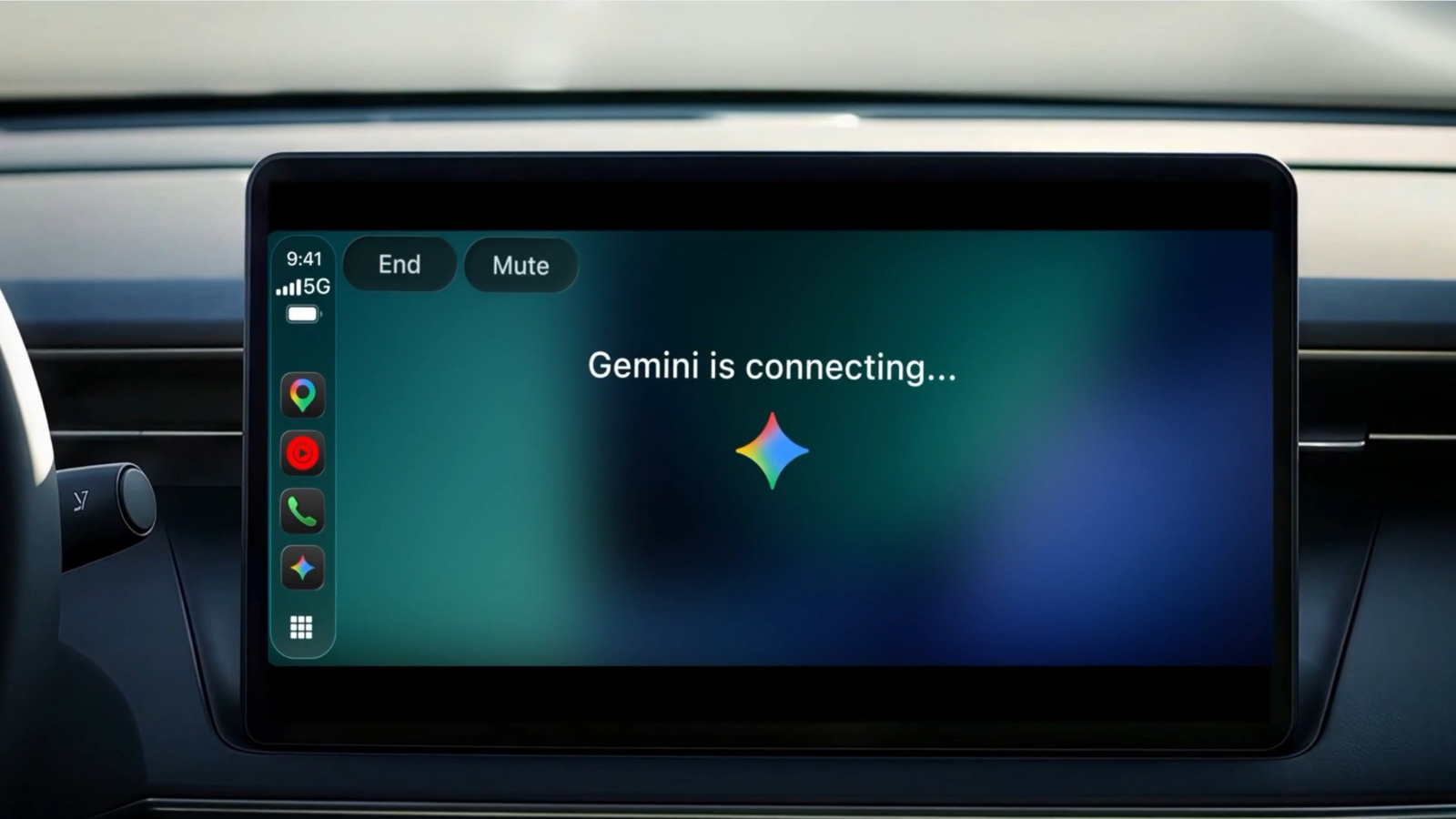
Google's decision to bring the Gemini app to Apple CarPlay, reported by Engadget, is the clearest illustration of the thread. Gemini was already reachable through the Google Maps app, so the new step is not about adding capability. It is about adding a doorway. Google is placing its assistant inside an interface that Apple controls, in vehicles where the phone screen is the center of the experience.
For US consumers, that is a straightforward convenience gain: the assistant becomes available in the context where people actually want to talk to it, without navigating through a maps product first. For Google, it is a recognition that the assistant's value depends on being present at the point of use rather than on owning the container. And for Apple, it is a reminder that the dashboard is now a distribution channel for rivals' services.
The strategic tension is obvious. Google benefits from reach into CarPlay, but every such integration reinforces the platform layer that Apple administers. That trade is familiar to US app makers of every size: reach versus dependence. Google can afford to make it because its assistant needs ubiquity more than it needs a proprietary front door. Smaller US developers rarely have that luxury, which is why platform-owned surfaces tend to accumulate power over time.
Customization is the new frontier
Engadget's guide to changing and customizing app icons on Samsung Galaxy devices, including choosing new icons and adjusting the color palette, looks like consumer housekeeping. Read against the other two stories, it is part of the same pattern. The most interesting app story on a Samsung phone is increasingly about the shell around apps rather than the apps themselves.