Autonomous Coding Agents Are Outgrowing the Codebase
Article

Autonomous Coding Agents Are Outgrowing the Codebase

Three recent stories point to the same shift: the value in developer tooling is moving from writing code to mapping what code connects to.

SuryaSeptember 28, 20265 min read

Photo: TechCrunch

The developer tooling market is reorganizing around a single problem: autonomous coding agents are being pushed into larger and more interconnected codebases than the tools around them were designed to handle. The stories logged on this beat recently look unrelated on their face, but they describe the same underlying constraint from three angles. Whether the product is a model, an app or a platform, the competitive question is increasingly how much a system knows about the code it touches.

The constraint moves past quick fixes

SiliconANGLE reported that Blitzy Inc. raised funding around an autonomous coding bet framed as "every codebase is already a graph." The argument in that story is narrow and specific: as coding agents move beyond quick fixes into large, interconnected codebases, the more code an agent touches, the more it needs to know about everything that code connects to. That is a statement about tooling limits, not model quality. An agent that can patch a function is not automatically an agent that can change a function whose behavior is depended on across a repository. Knowledge graphs are described as moving to the center of autonomous software development for exactly that reason. Investors are described as betting heavily on platforms built for that problem.

For US developer teams, this reframes what an agent purchase actually is. The differentiator is not raw code generation. It is coverage of the dependency surface, and how reliably that coverage survives contact with a real repository. A tool that maps relationships has a different failure mode than one that does not, and enterprise buyers are the ones who will pay to avoid the second kind.

Meta tries to sell the whole stack

TechCrunch reported that Meta launched an enterprise AI platform and hired MongoDB's CEO to lead the new initiative. Meta says it will focus on bringing its full technology stack to businesses and developers, including Muse, Meta Business Agent, Muse API, Muse Code, and more. The detail worth noting on this beat is the word "full." Meta is not entering the developer tools market with a single model endpoint. It is packaging an agent product, an API and a coding product together.

That is an admission that selling a model alone is no longer enough to win developers. Muse Code sitting inside a bundle with an API and a business agent suggests Meta sees the coding layer as one entry point into an account, not the whole product. The hiring of a sitting database CEO to run the initiative points in the same direction: the job is integration and enterprise distribution, not research.

The US market implication is straightforward. If Meta can price a bundled stack against standalone coding tools, independent vendors on this beat will have to defend on depth rather than breadth. The graph argument from the Blitzy story is one of the few defensible positions left, because it is hard to replicate quickly and it is exactly what a bundled generalist stack would need.

The endpoint is becoming a development surface

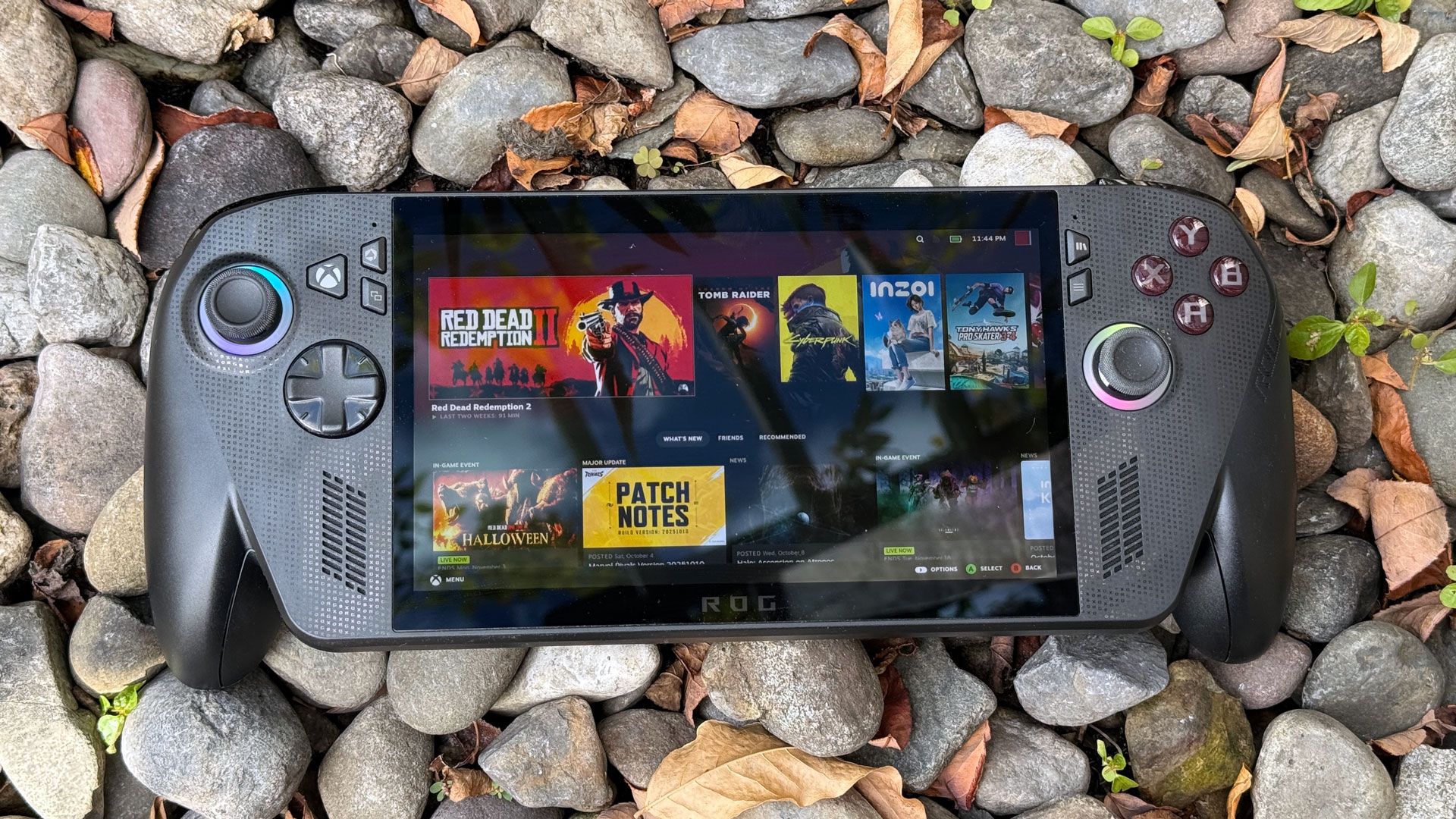
TechCrunch also reported that an indie developer's upcoming app for the iPhone Duo is going viral for turning the new foldable into a virtual Walkman. This looks like a consumer curiosity rather than a developer story, but the mechanics are relevant here. One developer, working alone, is using a new hardware form factor as the basis for an app that depends on the device being folded.

That is a developer-and-coding signal. When a new form factor ships, the first interesting software for it tends to come from small teams that can move before platform vendors publish guidance. The app is described as going viral, which means the distribution channel worked without an enterprise sales motion. For US consumers, this is what makes a foldable more than a phone with a hinge: software that only makes sense on that device.
For US technology companies, the lesson is about where platform leverage now sits. A hardware launch creates a brief window in which an individual developer can define what the device is for. That window is not controlled by the company that built the hardware, and it is not captured by the largest tooling vendors either.

Why these three point the same way

The common thread is that software creation is being pulled in two directions at once, and both directions increase the value of knowing more about context. At the enterprise end, agents need a map of an entire codebase before they can be trusted with substantial changes, which is the argument Blitzy is being funded to make. At the platform end, Meta is bundling a coding product with an API and an agent product because a coding model in isolation cannot carry an enterprise relationship. At the device end, a single developer can win attention by understanding a form factor deeply enough to build something that only works there.

In each case, the layer that is getting scarce is not generation capacity. It is structured knowledge about the system a program has to live inside, whether that system is a repository, a vendor stack or a piece of folded hardware.

What this means for US buyers and builders

For US enterprises evaluating coding agents, the practical question is shifting from how well an agent writes code to how much of the surrounding structure it can see. The Blitzy framing suggests that platforms built around that problem will attract capital, which means procurement teams should expect a wave of tools whose pitch is graph coverage rather than benchmark scores. Buyers should also expect those claims to be hard to verify, since coverage of a real repository is not something a demo can settle.

For US developers at smaller companies, the Meta bundle is a competitive signal more than a product decision. When a major platform packages a coding product with an API and an agent product, standalone tools need either a defensible technical edge or a distribution channel that does not run through that platform. Meta's decision to bring in an executive from the database world rather than from the research side suggests it expects the fight to be about enterprise integration.

For US consumers, the effect is indirect but real. Better codebase understanding is what makes agent-written changes safe enough to ship, and safer shipping is what determines whether the software on a foldable or on a business platform actually improves. The Walkman app is a reminder that the most visible software outcomes often come from the smallest teams.

What to watch

Three things in the logged stories are worth tracking. First, whether Blitzy and similar platforms can demonstrate that graph-based understanding translates into fewer bad changes on large codebases, since that is the claim the funding rests on. Second, whether Meta's bundled stack, led by the former MongoDB CEO, is priced to win individual developers or only enterprise accounts, because that determines how much room remains for independent coding tools in the US market. Third, whether the iPhone Duo's early viral app leads to a broader wave of form-factor-specific development, which would tell us how quickly hardware novelty turns into a software platform. None of these is settled by the stories above, and each is the kind of question that will be answered by what ships next.

More on this beat: Software on TechManNews.

#developer tools#coding agents#enterprise AI#knowledge graphs#app development#platform strategy

Newsletter

Get Tech News in Your Inbox

The latest AI, gadgets, software and startup stories from TechManNews, delivered every morning - free.