Operating Systems Grapple With Openness and Control

Photo: BleepingComputer

Article

Operating Systems Grapple With Openness and Control

HemeswariSeptember 28, 20264 min read

The operating system is no longer a stable foundation; it is a contested space where vendors, developers, and users negotiate control. Three recent stories - Microsoft’s latest Windows 11 preview update, GM’s clarification on CarPlay, and a new cross-platform Task Manager - show that the boundary between what an OS vendor provides and what others can build is being redrawn. The common thread is the tension between platform control and openness, with each story illustrating a different facet of that struggle.

Microsoft Tightens Its Grip with Incremental Updates

On September 2026, Microsoft released the KB5124010 non-security preview update for Windows 11 24H2 and 25H2, as BleepingComputer reported. The update includes 46 changes, among them Bluetooth improvements and the ability to remap the Copilot key. While these may seem like minor tweaks, they are part of a broader pattern: Microsoft is continuously refining the user experience to steer users toward its own services and hardware integrations. The Copilot key remapping, in particular, is a subtle nudge - allowing users to reassign a key that Microsoft itself introduced to promote its AI assistant. This is not about removing user choice; it is about shaping the default. By controlling the update pipeline, Microsoft can iteratively adjust the balance between its own offerings and third-party alternatives, often without users noticing. For US consumers, this means a Windows experience that increasingly reflects Microsoft’s priorities, from AI integration to hardware partnerships. For US technology companies, it signals that the OS remains a key lever for driving adoption of adjacent products, and that competing on Windows requires navigating a constantly shifting platform.

GM’s CarPlay Reversal Highlights Platform Ambiguity

Last week, GM announced a new software experience for its upcoming Chevy Silverado and GMC Sierra trucks, including a new look for Apple CarPlay and Android Auto, as The Verge reported. This led to confusion because GM had made a big deal about removing those phone mirroring systems from its electric vehicles in 2023. The clarification that CarPlay never left - it was only removed from EVs - underscores how automakers are struggling to define their own software platforms. GM’s initial removal was an attempt to capture more data and revenue from in-car services, but the backlash and the complexity of maintaining two different approaches have forced a partial retreat. This is an operating system story because the car is becoming a computer on wheels, and the battle over whether the OS is controlled by the automaker or by the phone maker is far from settled. For US consumers, the confusion means uncertainty about what features will be available in which vehicles. For US automakers, it highlights the difficulty of competing with the seamless integration of Apple and Google ecosystems. The episode shows that even when a company tries to assert control, market pressure and user expectations can push back.
Task Manager’s Cross-Platform Journey

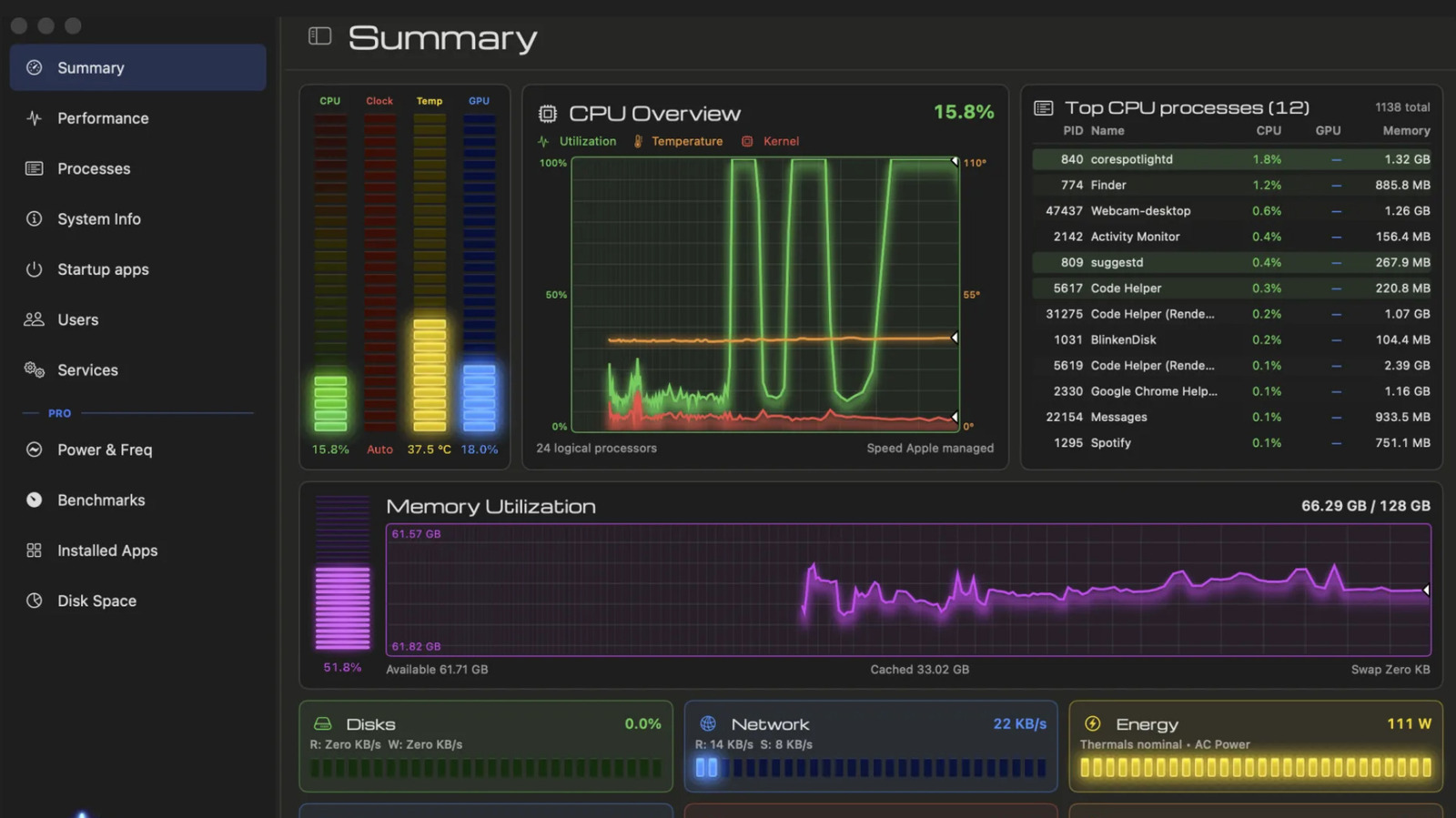
Three decades after he wrote the original Windows Task Manager at Microsoft, Dave Plummer has released a new iteration that runs on macOS and Linux, as Engadget reported. This is a striking example of how a once platform-specific tool can become cross-platform, driven by an individual developer’s vision. The original Task Manager was a Windows utility, deeply integrated into the OS. The new version, which Plummer has “vibe coded,” according to Engadget, is not tied to any single vendor. It reflects a broader trend: users and developers want tools that work across operating systems, reducing lock-in and increasing flexibility. For US technology companies, this signals that even iconic Windows features are not immune to being recreated elsewhere, and that the value of an OS may increasingly lie in its services and ecosystem rather than its built-in utilities. For US consumers, it means more choice and potentially better tools, but also a fragmentation of the experience as the same function is implemented differently on each platform.

The OS as a Contested Layer

These three stories converge on a single idea: the operating system is a layer where control is constantly negotiated. Microsoft uses updates to subtly shape behavior; GM tried to reclaim control from Apple and Google but faced confusion; and a former Microsoft developer has shown that even the most Windows-centric tools can be liberated from the platform. In each case, the vendor’s attempt to assert control is met with resistance or adaptation from users, developers, or market forces. The result is a dynamic equilibrium where no single party has absolute authority. For US technology companies, this means that strategies based on locking users into a platform are increasingly fragile. For US consumers, it means that the OS they use is less a fixed environment and more a shifting landscape of features and restrictions. The lesson is that openness, even when not fully embraced, remains a powerful competitive force.

What to Watch

In the coming months, watch how Microsoft continues to refine Windows 11 through updates like KB5124010, particularly around AI integration and hardware keys. Also monitor whether GM’s software strategy for its trucks evolves further, and whether other automakers follow suit in balancing proprietary systems with phone mirroring. Finally, keep an eye on cross-platform tools like Plummer’s Task Manager to see if they gain traction and influence how users perceive the value of built-in OS utilities. These developments will indicate whether the trend toward greater openness continues or whether vendors find new ways to reassert control.

More on this beat: Software on TechManNews.

#Windows 11#Operating Systems#Platform Control#Cross-platform#Automotive OS#Microsoft

Newsletter

Get Tech News in Your Inbox

The latest AI, gadgets, software and startup stories from TechManNews, delivered every morning - free.