The Real Vulnerability Is What Attackers Leave Behind
Article

The Real Vulnerability Is What Attackers Leave Behind

Two new intrusion stories and a firmware hack show that the durable risk for US firms is not the flaw that gets exploited but the foothold that outlasts it.

JaysuryaNovember 13, 20264 min read

Photo: BleepingComputer

The vulnerabilities that matter most in 2026 are increasingly the ones that are not patched, because they are not flaws at all. Two of the recent intrusion stories logged on this beat follow the same shape: a vulnerability that clears the way, followed by a mechanism that keeps the attacker inside after the way has been closed. A third story, smaller in stakes, shows the same logic operating on consumer hardware, where a firmware patch can turn a device into something its maker never sold. The pattern is that initial access is becoming the cheap part of an intrusion, and persistence is becoming the product.

Two Stages, One Intrusion

Check Point's emergency hotfixes address a high-severity flaw that has been exploited since late October to gain root privileges and establish persistence on vulnerable devices, as BleepingComputer reported. The second story, also from BleepingComputer, is the more instructive one: multiple threat actors are abusing GSocket, a legitimate open-source remote access tool, to keep access to Linux servers even after the vulnerabilities used to get in have been patched.

Read together, they describe a division of labor. The flaw gets the attacker through the door; the tooling is what keeps a key. Patching closes the initial vector and leaves the second stage untouched. That is not a failure of patching, which remains the correct response. It is a failure to treat remediation as a complete act rather than a partial one.

The Legitimate Tool Problem

GSocket is not malware in origin. It is an open-source remote access tool, and that is precisely what makes it useful to an intruder. Security tooling that is legitimate, documented and widely available does not trip the signature-based defenses that many organizations still lean on, and it does not require the attacker to write anything. Abusing it costs almost nothing.

The practical consequence for defenders is that the presence of a remote access tool on a Linux server is no longer a self-evident signal of anything. Inventories of approved software become more important than blocklists, because the thing to detect is not the tool but the tool where it does not belong. That is a harder detection problem, and it is the one the GSocket cases set.

Root Access as an Outcome

The Check Point case puts the same idea in starker terms. The flaw yields root privileges and persistence, which means the attacker does not merely read data but owns the device. Once root is achieved, the integrity of everything the device reports about itself is in question, including the logs that an incident response team would rely on. Emergency hotfixes can close the flaw; they cannot undo what was done while it was open.

This is why the timing matters. Exploitation dating to late October means a window in which compromise could have occurred before any fix existed. Organizations that apply the hotfix and stop there have closed a door without checking whether anyone came through it.

The Consumer Side of Firmware

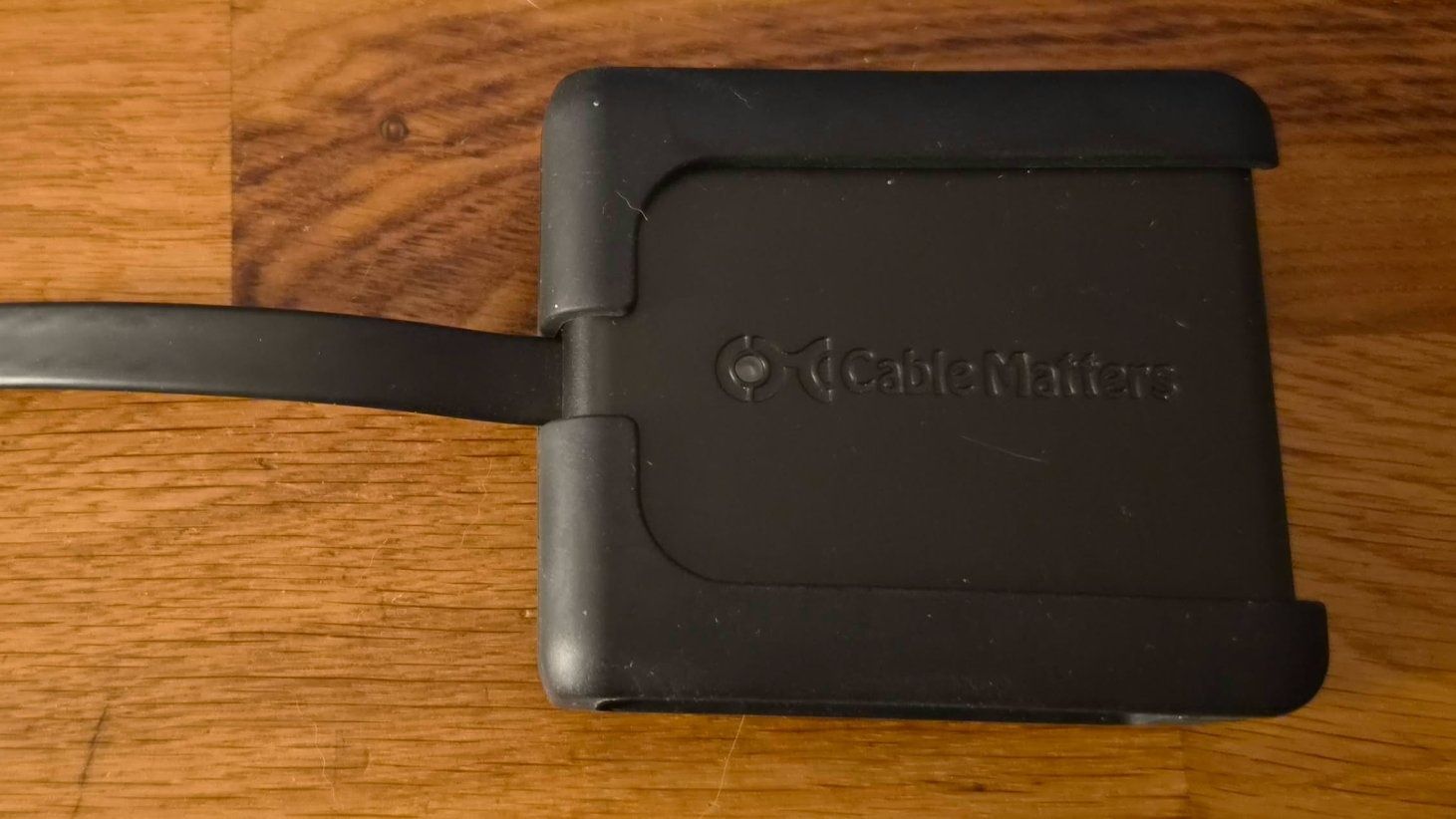
The third story logged on this beat looks unrelated: a hobbyist patched a Cable Matters USB-C hub's firmware so that a Nintendo Switch 2 accepts it as a dock for TV mode and HDR, as Tom's Hardware reported. The stakes are trivial next to root access on a server. The mechanism is not.

Firmware is software, and where it can be rewritten it will be rewritten, for curiosity as readily as for malice. The hobbyist's patch is a demonstration that device behavior is not fixed at the factory. Applied to hardware in an office or a home rather than a gaming setup, that same property is what lets a device be repurposed without the owner's knowledge. The gap between a clever project and a supply-chain concern is intent.

What This Means for US Companies

For US technology companies, the operational implication is that vulnerability management cannot end at the patch. The GSocket cases show that a clean patch record can coexist with an active intrusion, and that a Linux server fleet is a realistic target environment. Remediation playbooks that stop at version verification will miss the second stage entirely.

There is a procurement dimension as well. Devices whose firmware can be modified are now normal across US enterprise and consumer environments, and buyers have little visibility into that property when they evaluate hardware. The USB-C hub story is a reminder that this is a characteristic of ordinary peripherals, not exotic ones.

For US consumers, the exposure is indirect but real. The servers behind services people use are the ones described in the GSocket reporting, and the devices in their homes are the ones described in the firmware story. Neither group is asked to do anything about it, and neither group has the means to.

What to Watch

Three things follow from the material above. First, whether vendors begin shipping detection guidance for post-exploitation tooling alongside hotfixes, rather than patch instructions alone. Check Point's advisory is the place to look. Second, whether abuse of legitimate remote access tools on Linux servers draws clearer reporting on how organizations are finding them, given that signature-based approaches are poorly suited to the problem. Third, whether firmware modifiability starts to appear in how US buyers assess hardware, or remains a curiosity covered only when someone makes a games console do something it was not sold to do.

The common thread is not that flaws are getting worse. It is that the work of an intrusion now extends well past the flaw, and the defenses have not kept pace with that shift.

More on this beat: Cybersecurity on TechManNews.

#vulnerabilities#persistence#firmware#linux security#patching#root access

Newsletter

Get Tech News in Your Inbox

The latest AI, gadgets, software and startup stories from TechManNews, delivered every morning - free.