The AI hardware story is no longer mainly about who can announce the biggest cluster or the fastest chip. Across three recent items on this beat, the binding constraint is shifting from silicon to execution: whether the facilities get built, when the next generation of data center CPUs actually ships, and whether buyers can operate what they order. The pattern is a market that is learning to discount promises and price in timing.
The Announcement-to-Build Gap
TechCrunch's reporting on why "the data center you dread might never even be built" identifies a problem that sits upstream of the familiar objections. Local opposition, permitting delays and a scramble for electricity are real, but the piece makes a more basic point: many of the projects being announced may never get built in the first place, even with billions of dollars in AI infrastructure committed. That reframes how the rest of the hardware market should read capacity claims. A announced campus is not a ordered GPU fleet, and an ordered GPU fleet is not a rack of accelerators serving inference. Each step between those states can fail independently.
For US technology companies, this matters because planning has run on announced capacity. Cloud providers, model developers and the enterprises buying compute have all been sizing their roadmaps against a pipeline that TechCrunch suggests is partly aspirational. If a meaningful share of announced projects does not reach construction, the effective supply of AI hardware in the US market is smaller and later than the headline numbers imply. That does not produce a shortage by itself, but it does mean pricing and allocation decisions rest on weaker ground than they appear to.
AMD's Calendar Is the Point
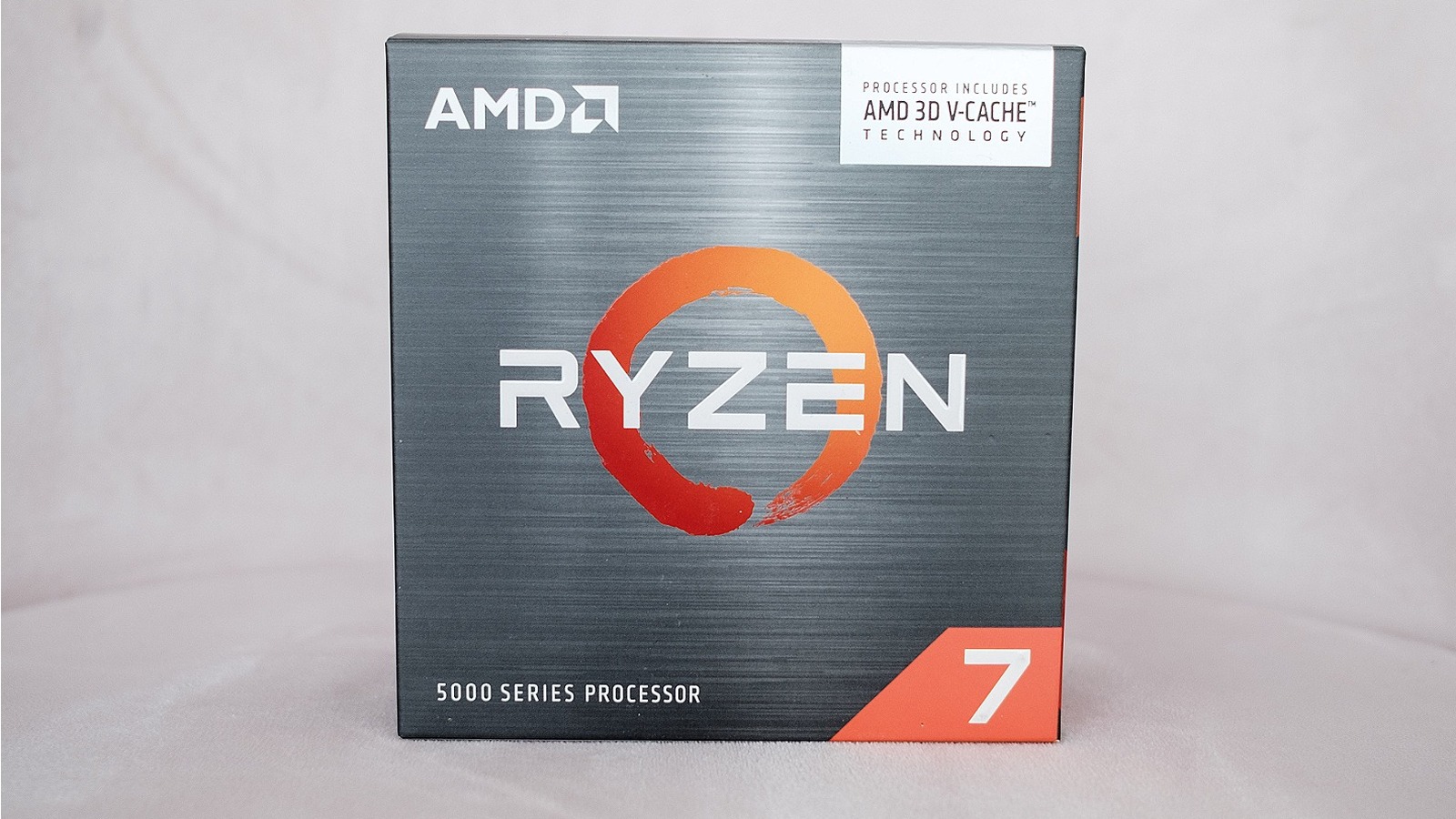
Tom's Hardware's report on AMD's Venice-X puts a date on the other side of the equation. The CPUs launch in the second half of 2027, with the family maxing out at 5.3 GHz, and 3D V-Cache returns to the data center after four years on the sidelines. The performance details matter less here than the calendar. A data center CPU arriving in the second half of 2027 is a planning input for 2026 buyers, not a purchase option. Server fleets procured now will be specified, financed and installed against what is available now, and the upgrade path to Venice-X sits roughly a year out from today.
The return of 3D V-Cache to data center parts after four years is a reminder that chip roadmaps move on their own schedule, independent of how fast AI demand is growing. Hardware buyers on the US side are therefore managing two clocks at once: the uncertain clock of data center construction and the fixed clock of silicon availability. When the two slip out of phase, the cost lands on whoever committed first.
Enterprises Become the Buyers That Matter
SiliconANGLE's piece on enterprises becoming the GPU buyers that matter describes the demand-side mirror of the same problem. Enterprises building AI-native applications are finding that raw GPU capacity is only half the equation. As Kubernetes users move from cloud-native to AI-native stacks, the question shifts from who has the most accelerators to who can run distributed, secure workloads at global scale. The first wave of neoclouds, per that reporting, stood up massive GPU clusters.
That distinction is the thread connecting all three stories. The first phase of this market rewarded whoever could acquire accelerators in volume. The next phase rewards whoever can schedule, secure and operate them across regions, and that capability does not scale with the size of a purchase order. For US enterprises, the practical consequence is that the GPU vendor decision is becoming a platform decision. The relevant comparison is no longer peak accelerator count but whether a buyer can run distributed workloads with the security posture a US company needs. Neoclouds that optimized for raw cluster scale are now competing against buyers who care about orchestration.