The CPU conversation in 2026 is increasingly being settled by memory. The stories on this beat point to one thread: the cost and availability of RAM now determine which processors Americans buy, how much of a system they can afford to build around them, and how long older chips stay viable. CPU choice has become a budget exercise in which the processor is only one line item, and often not the deciding one.
The Memory Squeeze Reaches the Socket
The clearest evidence comes from Tom's Hardware, which reported that PC memory capacity is dropping for the first time ever. CPU-Z data shows 64GB RAM adoption plummeted 18 percent year over year, and the cause is skyrocketing AI DRAM prices. That is a processor-adjacent fact with direct processor consequences. When memory prices climb, the amount of RAM a buyer can justify shrinks, and the CPU that sits beside it has to be chosen against a smaller remaining budget. A platform that once looked affordable with a generous memory kit now competes with the cost of the kit itself. For US builders and system integrators, the practical result is that the processor decision is made later and more conservatively, after the memory bill is known.
The 5800X3D Question Is Really a Platform Question
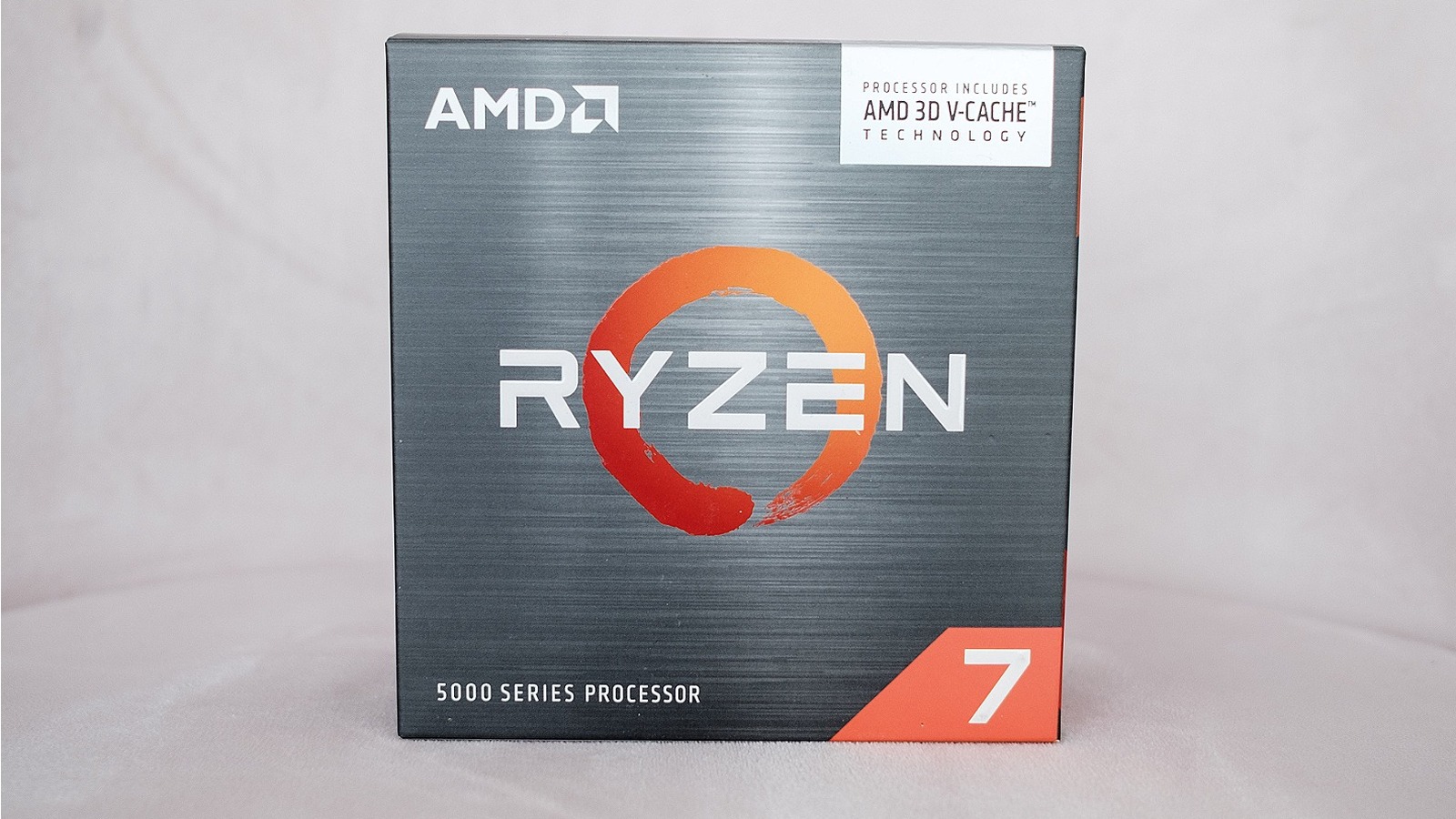
Engadget's reconsideration of the Ryzen 7 5800X3D makes the same point from the other direction. The chip has a devoted following, and the piece notes the writer never regretted owning one. But before spending $349 on a previous-generation CPU, Engadget argues there are questions worth asking. Many of those questions are about the platform around the chip rather than the chip itself: what memory a buyer already owns, what an upgrade path costs, and whether the money is better spread across the system. In a market where new memory is expensive, an existing AM4 board with working DDR4 becomes a genuine asset. The 5800X3D's case rests partly on the fact that it lets buyers avoid paying for a new platform and a new memory kit at the same time. That is a CPU argument shaped almost entirely by memory economics.
Compatibility Tools Move Up the Decision Chain
Engadget's explanation of bottleneck calculators adds the third piece. These tools exist as a quick way to check component compatibility before building or upgrading, and their prominence says something about how buyers are shopping. When budgets are tight and memory is costly, buyers want to know whether a given CPU will be held back by the rest of the system before they commit. A bottleneck calculator is a cheap way to answer that question without buying parts. On the CPU beat, that means the processor is being evaluated less on raw specifications and more on how it fits a specific, budget-constrained configuration. The tool is a symptom: buyers are optimizing the whole machine, not shopping for a chip in isolation.