The Disclosure Gap Is Becoming Big Tech's Structural Risk
Article

The Disclosure Gap Is Becoming Big Tech's Structural Risk

From a Nebius selloff to a RICO suit over an AI data center, the same gap between what companies disclose and what investors and communities can verify is driving the fallout.

JaysuryaNovember 12, 20265 min read

Photo: SiliconANGLE

The dominant risk facing big technology companies is no longer whether their products work, but whether the people who fund and host them can see enough to judge. In three recent stories on this beat, the same pattern recurs: the numbers and promises presented publicly diverge from what markets, founders and local communities can actually verify, and the resulting gap becomes the event. That gap, not any single earnings miss or lawsuit, is the structural problem US tech now has to manage.

A Beat, a Miss and a Broken Signal

Nebius Holdings offers the cleanest illustration. As SiliconANGLE reported, shares of the AI cloud operator fell 16.8% today after it posted third quarter results that actually beat expectations on adjusted profit and revenue. The company swung from a $100.4 million adjusted loss a year ago to a profit, a genuine turnaround. Yet the stock sold off, and SiliconANGLE noted the trigger may have been a full-year forecast that fell short of the consensus estimate.

The episode is instructive precisely because nothing in the reported results was bad. What moved the stock was guidance, a forward-looking statement that carries no audited weight and no binding commitment. Investors were not reacting to what Nebius had done; they were repricing what it said it would do. That is a disclosure problem dressed as a valuation problem. When the most consequential input into a company's market value is a forecast rather than a result, the market is effectively trading on the quality of management's narrative, and any perceived softness in that narrative extracts an immediate toll. For a capital-intensive AI cloud operator, where investors are underwriting years of spending against future demand, the forecast is the product. A shortfall against consensus, however modest, reads as evidence that the underlying model may not support the story that has been sold.

The Platform Dependency Nobody Prices

The second thread concerns a different kind of invisibility. Crunchbase News reported on guidance from Yakov Filippenko, founder and CEO of Intch, who argues that founders should treat dependence on app stores as infrastructure risk. His point is that a sudden removal can cut off customer access, subscriptions and revenue with no reliable path to reinstatement, and that founders should build and test alternative access and payment channels before a crisis rather than after one.

The framing matters. A platform dependency is not a disclosed liability in any conventional sense; it is an operational assumption so embedded in a young company's model that it rarely appears in the risk section of a pitch deck. Yet its realization is immediate and total. The remedy Filippenko describes is essentially a disclosure discipline applied internally: knowing, before the crisis, which channels actually work and which do not. The broader implication for US technology companies is that the largest platforms now function as unregulated utilities for smaller firms, and the terms of that utility relationship are set unilaterally. For US consumers, the effect surfaces as apps and services that vanish without warning, taking subscriptions and stored data with them. The risk is real, but it is not visible until it is realized, which is exactly why it goes unpriced.

When NDAs Replace Public Scrutiny

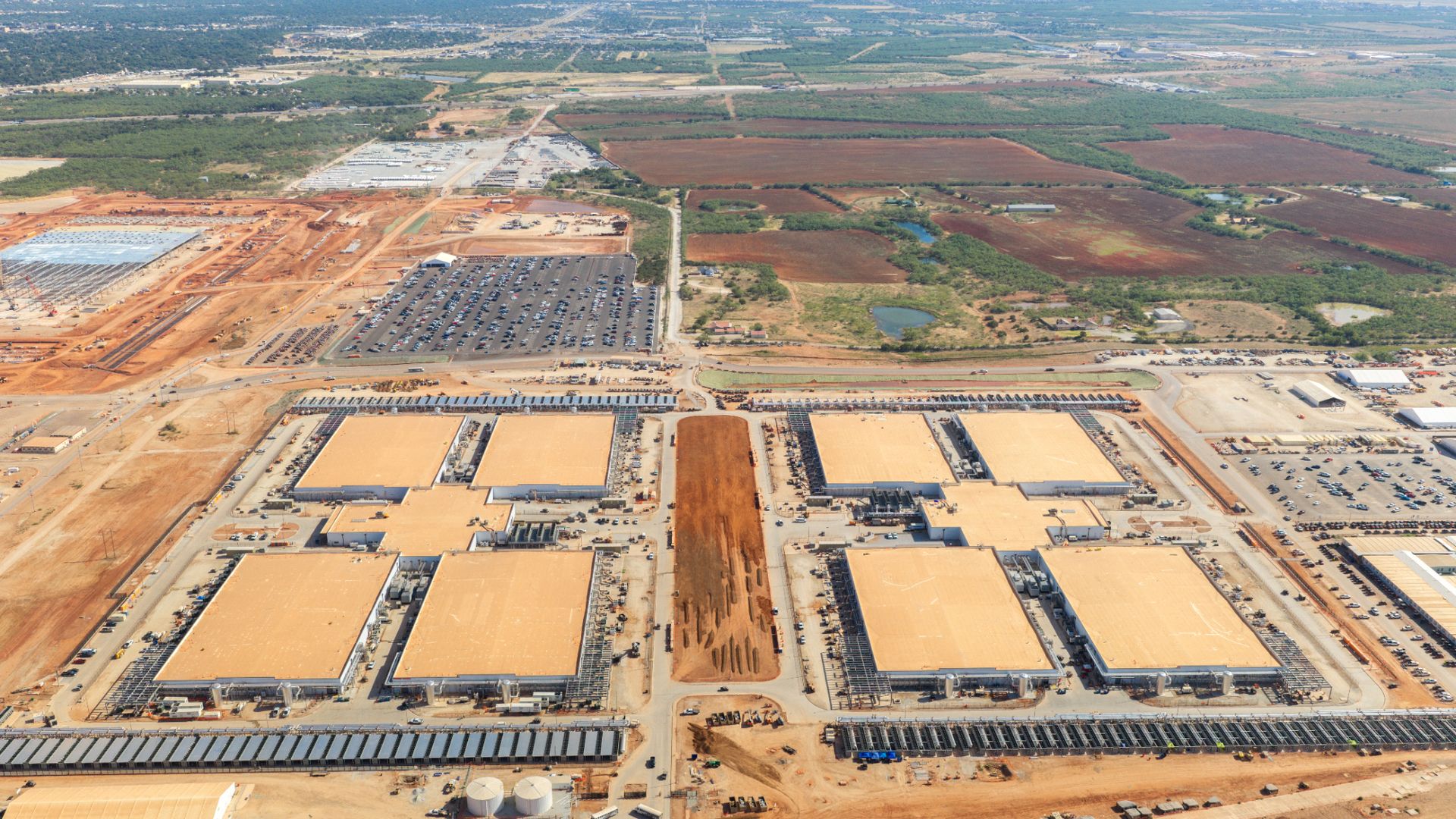
The third story moves the same dynamic into the physical world. Tom's Hardware reported that OpenAI and Georgia county leaders face a Mafia-style RICO racketeering lawsuit over a $30 billion AI data center, with plaintiffs alleging fraud and concealment carried out through non-disclosure agreements and misleading public statements.

The allegations are allegations, and no finding has been made. But the mechanism described is familiar from the other two stories: information asymmetry between the party controlling the project and the parties bearing its consequences. An NDA is a legitimate commercial instrument, yet when it is used to constrain what a community can learn about a facility sited in its midst, it converts disclosure into a negotiating tactic. A $30 billion project is exactly the kind of undertaking where local residents, taxpayers and regulators have a material interest in the terms, the environmental footprint and the fiscal arrangements. If the only public accounting arrives through statements that plaintiffs characterize as misleading, the eventual correction arrives as litigation rather than as a revised filing. That is a far more expensive form of disclosure.

Why This Is a Big Tech Problem Specifically

Each of these cases involves a different constituency: public-market investors, small software founders, and a local community. What unites them is that all three are being asked to rely on representations from a far more powerful counterparty, with limited independent means of verification. That is the defining condition of the current big technology economy. The largest AI and platform companies sit at the center of capital flows, distribution and physical infrastructure, and the information they release is both the primary input for markets and the primary constraint on accountability.

For US technology companies, the practical consequence is that disclosure quality is now a competitive variable. A firm that misses consensus on guidance pays immediately, as Nebius demonstrated today. A platform that removes an app pays in the slower currency of developer trust and regulatory attention. A developer of physical infrastructure that relies on confidentiality agreements pays in litigation and in the political risk that follows. None of these costs appear on a balance sheet in advance, and all of them land suddenly. For US consumers, the transmission is direct: app availability, subscription continuity, local land use and the reliability of the AI services they increasingly depend on are all shaped by information they cannot see.

What to Watch

The stories point to several concrete checkpoints. Nebius's next quarterly report will show whether the guidance shortfall proves to be a one-quarter recalibration or the start of a longer repricing of AI cloud expectations; the gap between adjusted results and forward forecasts is the number to track. On platforms, the relevant signal is whether founders act on Filippenko's advice and begin testing alternative access and payment channels, which would show up as a measurable shift in how small software companies architect their distribution. On the data center front, the RICO suit against OpenAI and Georgia county leaders will test whether courts treat confidentiality agreements and public statements as ordinary commercial practice or as the instruments of the alleged concealment; the pleadings and any subsequent rulings will define how much disclosure infrastructure developers must provide. The common thread to monitor across all three is whether the gap between what is said and what can be verified narrows, or whether it keeps setting the terms of the news.

More on this beat: Companies on TechManNews.

#Big Tech#AI infrastructure#disclosure#platform risk#data centers#US markets

Newsletter

Get Tech News in Your Inbox

The latest AI, gadgets, software and startup stories from TechManNews, delivered every morning - free.