The chip industry's recent headlines point to a single underlying tension: the semiconductor business is being reshaped faster than the institutions around it can absorb. A leadership shock at Nvidia, a technical breakthrough that revives running macOS on non-Apple PCs, and Cerebras Systems's strong quarter all reflect a sector where technical momentum and market demand keep outrunning the structures meant to contain them. For US chip companies, the pattern matters more than any individual story.
Faith in Leadership Under Strain
Wired's reporting that Silicon Valley is still defending Jensen Huang captures something unusual in the chip world: employees and tech insiders who never expected the chip king to lose his job, and who remain in denial despite his sudden resignation. That reaction is not merely sentimental. Nvidia's position in AI computing has been so dominant that its leadership has been treated as a fixed feature of the landscape rather than a variable. The insistence on defending Huang suggests the industry has not yet priced in what his departure means for strategy, customer relationships and the direction of AI hardware. For US technology companies that have built roadmaps around Nvidia's platform, the question is whether institutional strength can substitute for the founder-level authority that shaped the company's rise.
Portability Returns to the PC
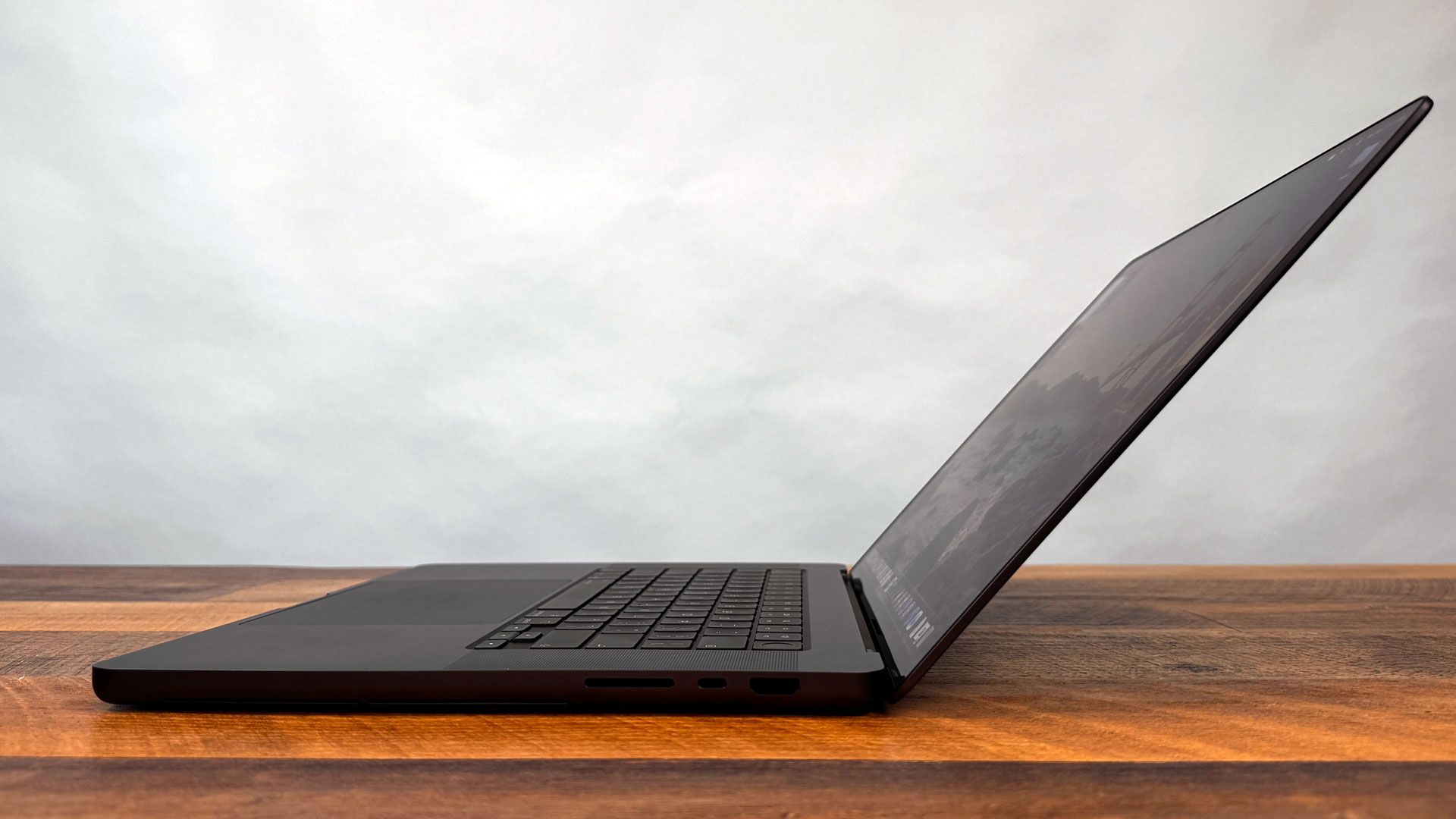
Tom's Hardware reports that macOS on PCs has become possible again thanks to an Apple Silicon translator for x86-64, reviving the Hackintosh phenomenon. The technical detail is narrower than the implication. Apple's move to its own silicon was supposed to close the door on running its operating system on generic hardware. A translator that bridges x86-64 code changes that calculus, at least at the margins. For US consumers, the appeal is straightforward: the option of Apple's software on cheaper or more flexible hardware. For US chip companies, it is a reminder that platform boundaries in computing are less permanent than they appear. Apple's control over its silicon stack is a competitive advantage, but one that software workarounds can erode.
Cerebras Shows Where AI Demand Sits
SiliconANGLE reports that Cerebras Systems delivered third-quarter revenue that comfortably beat expectations and announced a new deal with Microsoft, sending its stock up almost 18% in late trading. The company reported a loss before certain costs such as stock compensation of 67 cents per share. The mix matters: surging AI chip revenue alongside a marquee Microsoft deal. Cerebras is not Nvidia, but its results show that demand for AI accelerators is broad enough to lift challengers, and that US hyperscalers are willing to diversify their supplier base. That is a meaningful signal for the US market, where concentration in AI hardware has been a persistent concern for customers and investors alike.