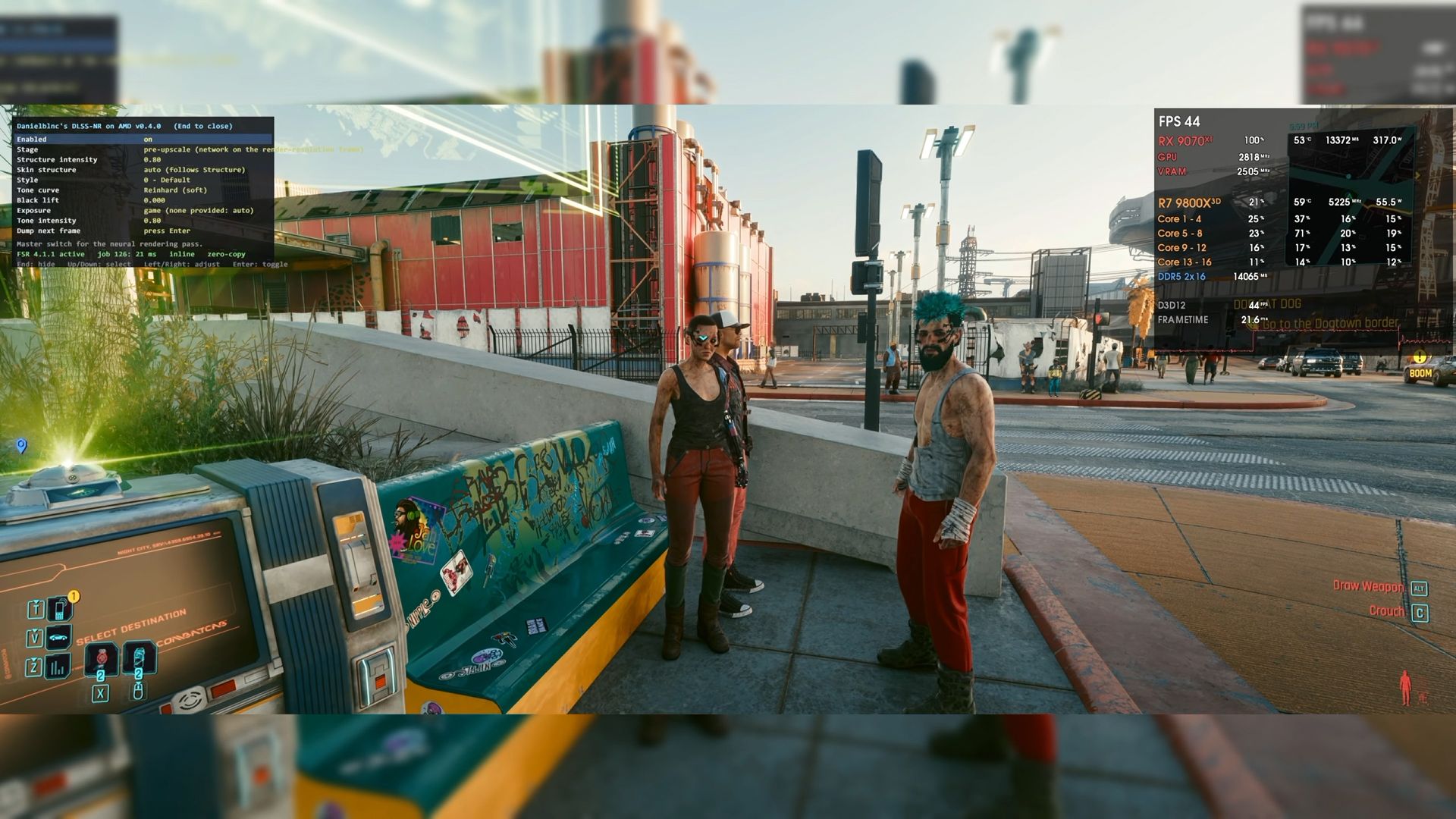
Nvidia may be on the verge of recovering ground in China, as Beijing considers allowing the country's largest AI companies to import banned chips while Nvidia CEO Jensen Huang deepens his influence over President Trump's technology policy. China's Ministry of Industry and Information Technology has asked Alibaba and ByteDance to submit plans for buying Nvidia's RTX Pro 5500 chips, according to sources familiar with the talks who spoke to The Information. Although the RTX Pro 5500 is a gaming chip, China wants the firms to explain how the chips would be used, with an expectation that they could be placed into servers to power the country's most in-demand AI models. ByteDance plans to order 1 million chips if China approves, which would secure two quarters of projected Nvidia sales.
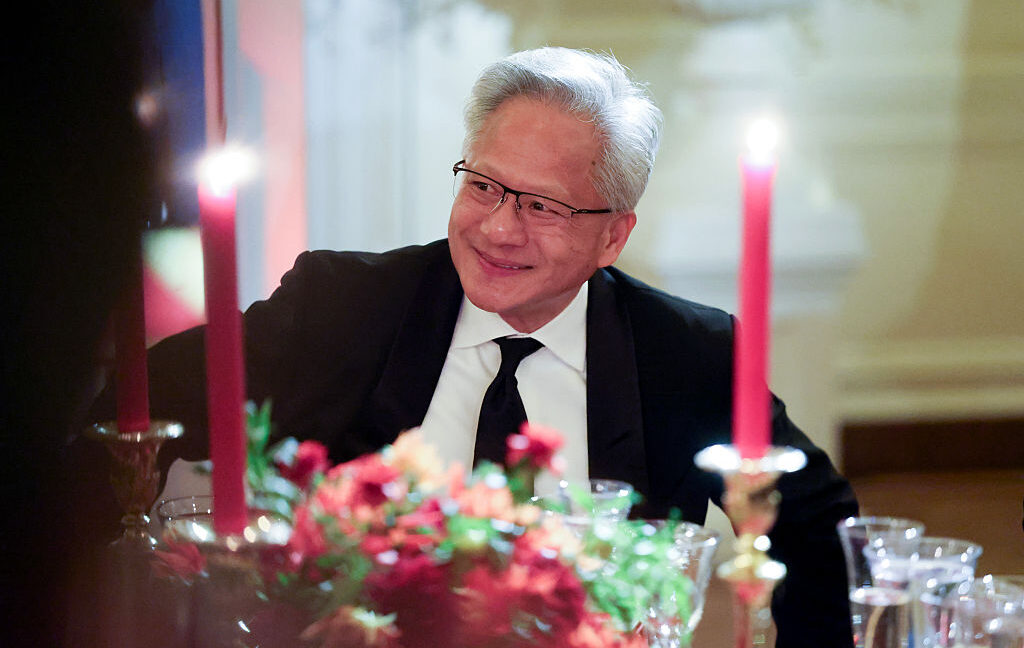
The potential opening follows a long stretch in which Huang blamed US export controls for cutting Nvidia's share of China's advanced AI chip market from roughly 95 percent to zero. When Trump entered office, he asked what Nvidia was, tightened restrictions rather than loosening them, and banned exports of H200 chips to China. He also considered breaking the company up as a way to spur domestic competition. After meeting Huang for dinner at Mar-a-Lago, Trump said he learned the facts of life and understood Nvidia to be an amazing AI leader. He then lifted the H200 export controls over warnings from lawmakers and national security experts, and China eventually allowed sales to some firms.
Trump and Huang now appear together in public repeatedly and regularly speak by phone, according to Stephen Witt, author of The Thinking Machine: Jensen Huang, Nvidia, And The World's Most Coveted Microchip. Witt told NPR that Trump's recent claims that AI destroying humanity is a hoax and that AI will be an economic boon mirror Huang's talking points, calling Huang the president's most influential adviser on technology issues. Witt said most hardware people he spent time with share Huang's low sense of risk about the technology, and that the debate between that camp and software developers has not moved in 10 years. Treasury Secretary Scott Bessent said ahead of Trump's talks with Xi that the president is completely aligned with Huang.
Not everyone views the arrangement favorably. Andrew Yoon, a researcher at the AI safety nonprofit CivAI, told CNBC that Nvidia is the most aggressive in the industry when it comes to making money and tries to ensure any outcome benefits its bottom line. Some critics worry that Nvidia's profit motivations are shaping Trump's thinking at a pivotal moment when a president's understanding of a new technology's risks may matter, and some experts fear loosened controls could divert too many chips to China and deprive US data centers of domestic supply.
An Nvidia spokesperson told Ars that China lifting curbs on outdated gaming chips released nearly a half decade ago would only benefit US firms unfairly burdened by restrictions on chips that cannot train AI. In the first half of 2026, Nvidia reportedly absorbed a $400 million hit from unsold H200 chips no American firms wanted, and China's delayed approval of H200 sales left that business under 1 percent of Nvidia's data center revenue in the most recent quarter. Sources said at least one buyer plans eight RTX Pro 5500s per server, a standard setup for running larger AI models, and Nvidia is preparing to ship first orders in December.
More hardware news from TechManNews.