The deals logged on this beat in recent days are small, quiet and pointed, and that is the story. Databricks is buying cloud spreadsheet startup Row Zero while scouting for more startups to acquire, AppDirect is buying avatar firm Soul Machines, and groundcover is making Kubernetes optimization startup Wand its first acquisition. None of these are marquee transactions, and that is precisely the point: in 2026 the acquisition market has turned into a buyer's market for specific capabilities rather than scale, and US technology companies are using it to fill gaps fast and cheaply.
A Pattern of Tuck-Ins, Not Mega-Mergers
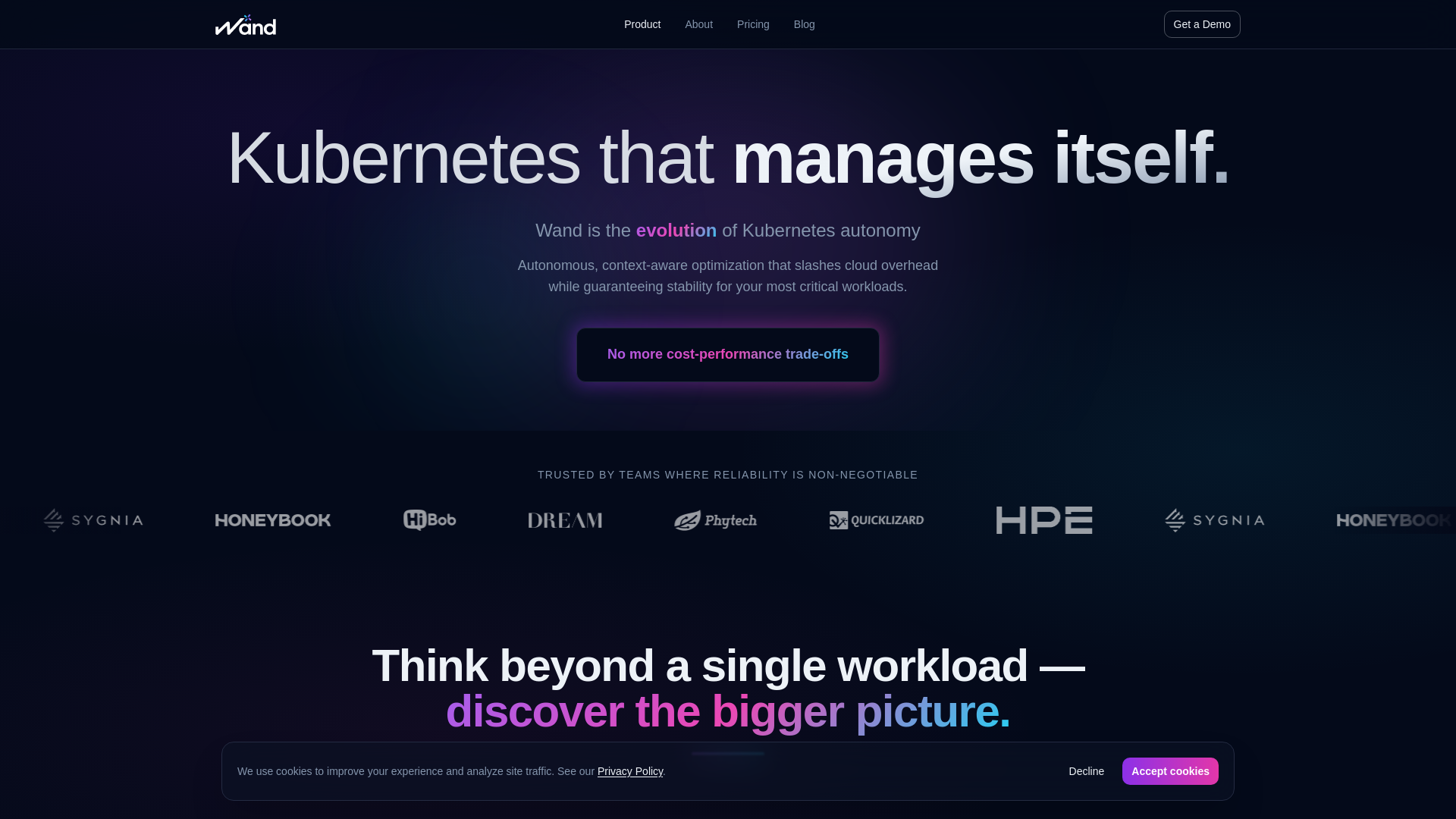
Each of the three deals fits the same template. Databricks, as TechCrunch reported, added Row Zero to an acquisition spree that the outlet described as its 2026 shopping spree, and is actively scouting for more startups to acquire. AppDirect, a cloud-based business commerce platform and marketplace provider, acquired Soul Machines, an artificial intelligence human-like avatar experience provider, to expand its ability to deploy interactive experiences for sales, advisers, support and services, as SiliconANGLE reported. Groundcover, an observability company, disclosed its first acquisition, picking up Kubernetes resource optimization startup Wand Cloud for an undisclosed sum, with Wand's founders and employees moving across as part of the deal, also per SiliconANGLE.
What connects them is not sector. Spreadsheets, avatars and Kubernetes optimization have almost nothing to do with one another. What connects them is that each buyer is acquiring a narrow capability rather than a business at scale. Groundcover's rationale, as SiliconANGLE framed it, is a push toward autonomous infrastructure with software taking action. AppDirect is buying a way to move customers beyond AI experimentation. Databricks is buying product surface area and continuing to shop. In every case the target is small enough to be absorbed, integrated and turned into a feature or a product line inside the buyer's existing distribution.
Why Buyers Are Shopping This Way
The material does not include deal prices, and groundcover's was explicitly undisclosed. That absence is itself informative about this cohort of transactions. When acquirers are buying a team and a narrowly defined technology, the deal does not need a headline number to make sense internally. Founders and employees moving across, as in the Wand case, suggests the acquisition is as much about retaining capability as about owning intellectual property.
For US technology companies, this is a rational response to a market where building is slow and hiring for specialized expertise is expensive. If a company like groundcover wants Kubernetes resource optimization, buying a startup that already has it and moving its people in is faster than assembling a team from scratch. If AppDirect wants interactive avatar experiences for advisers and support, acquiring an existing provider takes it past the experimentation stage that SiliconANGLE says many organizations are stuck in. The strategic logic is speed of capability, not scale of revenue.
What It Means for the Sellers
For US startups, the message is less comfortable. The buyers logged here are looking for specific capabilities, not platforms. That narrows the set of startups that can attract an acquirer: a company needs a technology that slots directly into a buyer's stated direction, along with a team willing to move. Groundcover's acquisition of Wand is a template for what a first acquisition looks like for a mid-sized US software company, a small, targeted purchase of a startup whose founders and employees join the acquirer.
It also suggests that the current environment rewards startups that stay small and focused. A company that has overbuilt headcount or pursued a broad platform strategy may find fewer buyers than one that has a single sharp asset. The three stories on this beat do not include any large, multibillion-dollar transactions, and none of them describe a target with independent scale. That is a caution for founders who assumed the exit would come at a larger size.