Four unrelated stories on this desk point at the same thing. The most contested question in software right now is who holds control after the product leaves the vendor's hands. Nvidia is trying to keep agents from breaking out of containment, Google Maps users are working around Apple's control of the CarPlay default, Spotify is adding a mode that reshapes its app for one activity, and Pennsylvania legislators want to stop publishers from switching off games people already bought. In each case, the vendor built the terms and the user is negotiating around them.
Control Moves to the Edge
Nvidia's new open-source security system, reported by Wired, exists because containment is now a live operational problem rather than a theoretical one. The framing matters: the company is not selling a promise that agents will behave. It is shipping a tool that assumes they might not, and putting it in the open where operators can inspect and adapt it. That is a concession about where control actually sits. Once an agent is running inside a customer's environment, the vendor's authority is limited. The practical answer is instrumentation the customer can run.
That mirrors the older, quieter fights in the other three stories. Apple controls the CarPlay default, as Engadget notes, and in most regions Google Maps cannot claim it. The workaround is not a policy change but a set of user habits that make the non-default app easier to reach while driving. Spotify cannot force anyone to run, so it builds a Running Mode, per Engadget, that reorganizes its own interface around a single use case. Game publishers control the servers their titles depend on, and the proposed Protect Our Games Act in Pennsylvania, reported by Tom's Hardware, would limit what happens when they decide to turn those servers off.
The Default Is the Product
CarPlay is the cleanest illustration of how much value sits in a setting rather than a feature. Apple does not need to make Google Maps unusable. It only needs to keep it from being the automatic choice, and the competitive advantage holds. Engadget's advice is aimed at drivers who have already lost that fight and want to reduce the friction. That is where a great deal of consumer software competition now happens: not over whether a tool works, but over whether it is the one that opens without being asked.
US consumers feel this more than most, because so much of the stack they use daily is controlled by a small number of platform owners. The remedy available to them is almost always configuration, not competition. That is a weak remedy, and it is the one they have.
Ownership Without Possession
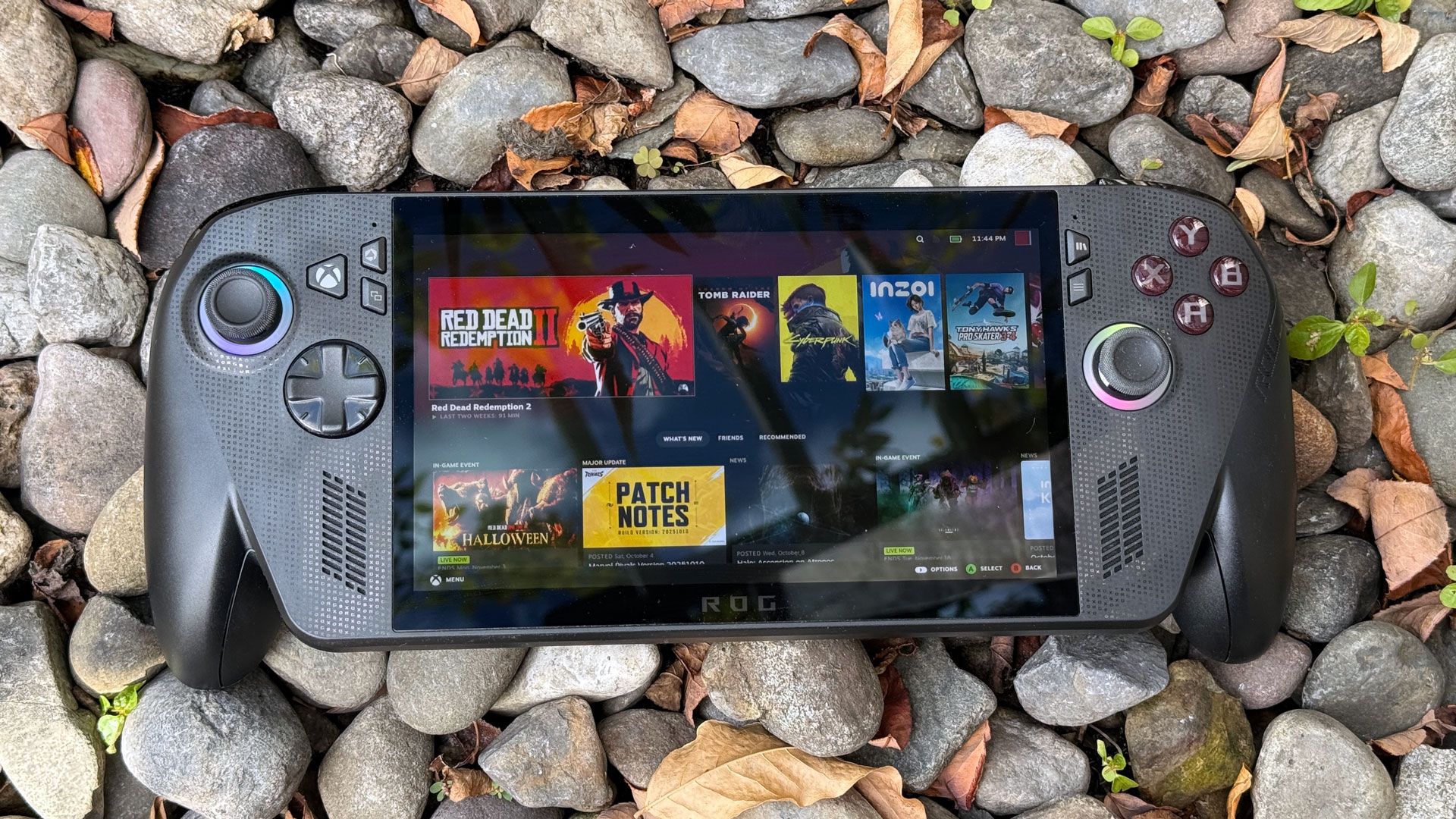
The Pennsylvania bill is the sharpest version of the theme. As Tom's Hardware reported, the Protect Our Games Act would not give buyers ownership of the titles they purchase. It would only guarantee continued access if a manufacturer takes a title offline, including when a developer goes bust. That is a narrow, deliberate distinction, and it tells you how far the baseline has moved. The legislative ask is not control. It is the ability to keep using something after paying for it.
For US technology companies, this is a warning about how licensing language reads outside the industry. A perpetual license that depends on a server the licensor can shut down is, from the buyer's side, not perpetual. Publishers have reasons for the architecture, and the bill does not pretend otherwise. But the gap between what customers believe they bought and what the terms actually deliver is now large enough that state legislatures are moving on it.