The web and the smartphone app are no longer distinct products. Across the stories logged on this beat, companies are moving capabilities fluidly between them - enabling dark mode through browser workarounds where the web app lacks it, adding a dedicated hub inside a television interface, and pushing delivery ordering into a text message. The unifying pattern is that the app and the website are becoming interchangeable surface areas for the same service, and US technology companies are reorganizing their products around that assumption rather than treating them as separate channels.
The feature-completeness gap is closing
Google Docs demonstrates the shape of the problem. Dark mode is available on the Google Docs mobile app but not on the web version, according to Engadget, and the workaround is to achieve the effect through other means. That is a small inconvenience, but it illustrates something structural about how modern software is built. Features land on one platform first - usually the app, where usage is concentrated and the development tooling is more controlled - and the web version catches up later, sometimes never. For US consumers, this means the browser is no longer the default home of full functionality. A user who works primarily on a laptop may find that the most complete version of a service lives on a phone. That inversion has consequences for how companies staff product teams, and it gives mobile platforms additional leverage over the software that runs on them.
The hub is replacing the interface
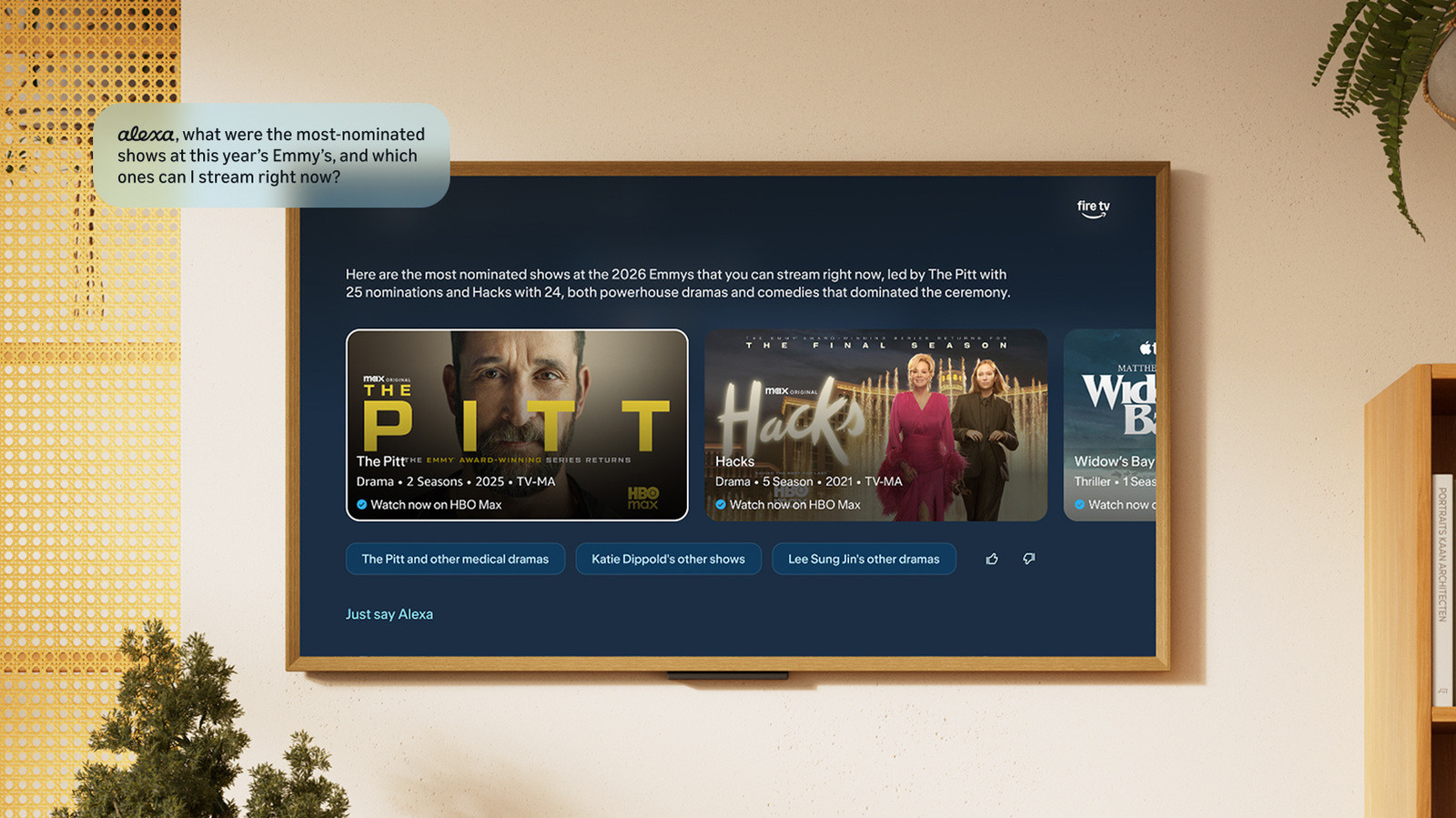
Amazon's Fire TV interface and mobile app will gain a dedicated hub for a more powerful Alexa+ this November, as Engadget reported. This is a different version of the same pattern: rather than shipping a standalone product, Amazon is inserting a new surface area inside existing ones. Fire TV already runs on televisions and streaming devices, and the mobile app already serves as a companion. A dedicated Alexa+ hub inside both means the assistant becomes a persistent layer rather than a feature you visit. This matters for the US market because Amazon is effectively arguing that consumers should not have to choose between the living room and the phone to reach the same service. The company is treating the television interface and the mobile app as two views of one system, which is the same logic Google is applying - just with more deliberate placement. The difference is that Amazon is building the gap into the product intentionally, while Google is living with a gap it has not closed.
Text messaging becomes an application surface
DoorDash drone deliveries are first coming to northern California with Chipotle and Popeyes on board, and separately, users can now text DoorDash orders instead of using the app or website, per Engadget. The drone detail is a logistics story, but the texting detail is a software story. Ordering by text message means DoorDash is treating the SMS thread as a legitimate application surface, not a support channel. That is a meaningful shift. For years, US companies have pushed users toward owned apps and websites because those channels allow control over the interface, the data, and the monetization. Handing ordering to a text thread reverses part of that logic. It also raises questions about how features like order history, payment management, and personalization work when the interface belongs to the carrier rather than the company. DoorDash appears willing to accept those tradeoffs because the reach of a text thread is broader than the reach of an installed app.