The apps and services stories worth watching this month share one thread: companies are winning attention not by locking users into an ecosystem, but by bending their software to fit behavior people already have. Roku is inviting users into experimental apps to shape them, Tovala is using app-scanned codes to make a smart oven disappear into the cooking, and GM is folding Apple CarPlay and Android Auto into its native interface rather than walling them off. The pattern is a market where flexibility and feedback are becoming the product.
Roku Turns Testers Into Product Managers
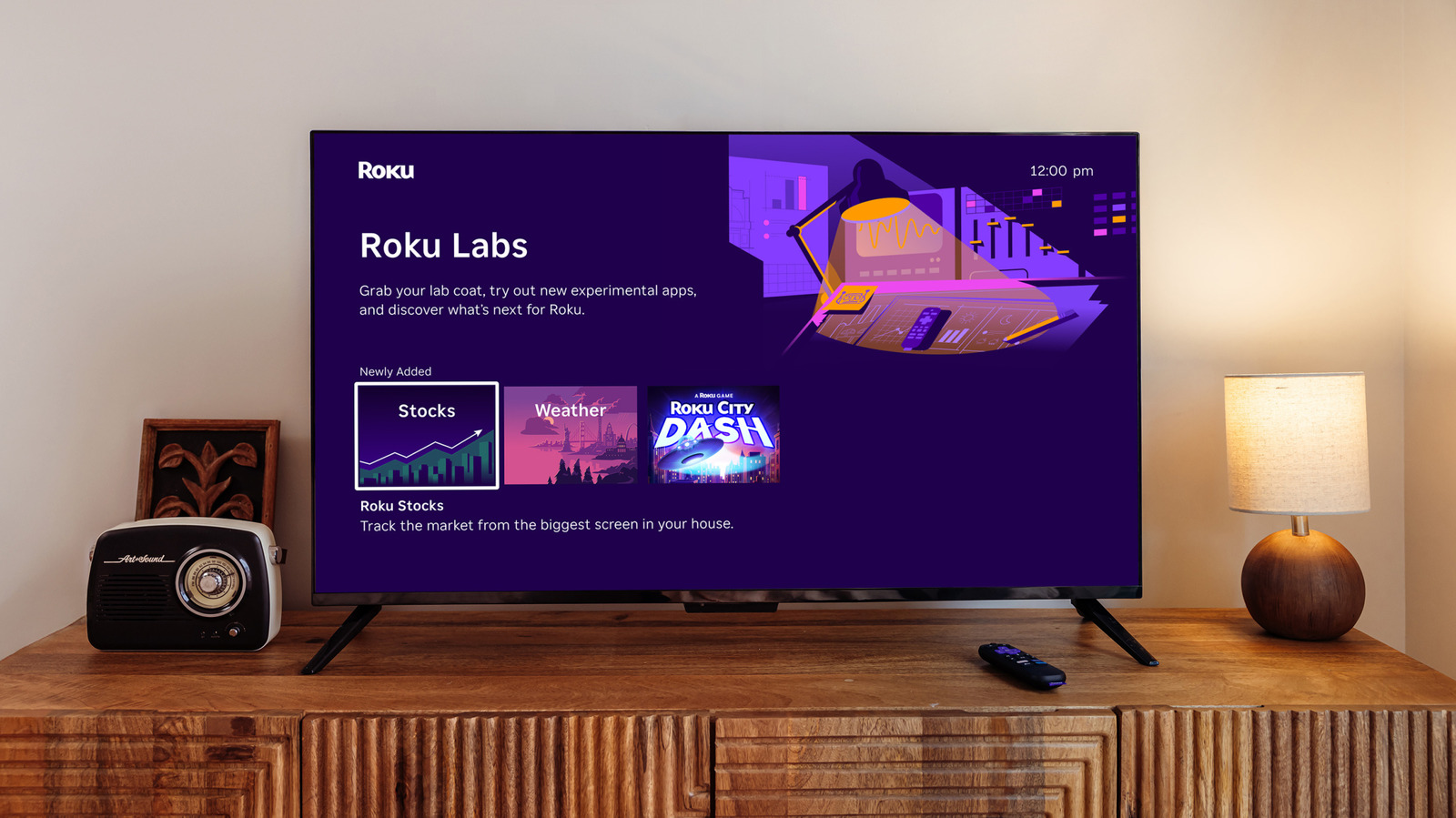
As Engadget reported, Roku is giving users access to experimental apps with Roku Labs, and trying those apps entitles testers to give feedback that will influence the final versions. That is not a beta program in the traditional sense. It is a structural admission that the company cannot guess what viewers want from a living-room interface, so it is opening the door earlier and letting users push back before a release is finished.
For US consumers, this changes the terms of the relationship. The payoff for trying something unfinished is influence, not just early access. For Roku, the benefit is a pipeline of preferences it does not have to reverse-engineer after launch. In a market where streaming hardware is increasingly commoditized, the differentiator becomes how quickly a platform can respond to what people actually do with it.
Tovala Hides the App Inside the Task
TechCrunch reported on two weeks with Tovala's smart oven, which pairs hardware with a meal-delivery service. Meals arrive with QR codes; scanning one with the app lets the oven automatically follow the cooking instructions. The app is not the destination. It is the connective tissue between a physical product and a service, and it works best when the user barely notices it.
That is a meaningful shift for US app developers. The most valuable app may be the one that does not demand sustained screen time. Tovala's model asks the user to scan a code and then step away. The service earns its keep by removing decisions, not by adding engagement. For subscription businesses selling physical goods alongside software, that is a template: the app succeeds when the hardware and the meal plan feel like one product.
GM Retreats From the Walled Garden
CNET reported that the 2027 Chevy Silverado and GMC Sierra fold phone mirroring into the native UI rather than walling it off, even as GM keeps Apple and Google's apps out of its electric lineup. That is a split strategy, and it is revealing. On gasoline trucks, where buyers expect their phones to work the way they always have, GM is accommodating. On electric vehicles, it is still betting that its own software stack can hold the relationship.
The lesson for US automakers and app makers alike is that exclusivity is expensive. The same company can decide that mirroring is a feature on one line and a threat on another. What changes is not principle but the customer. Where loyalty is thin, flexibility wins; where a platform believes it can own the dashboard, it still tries.