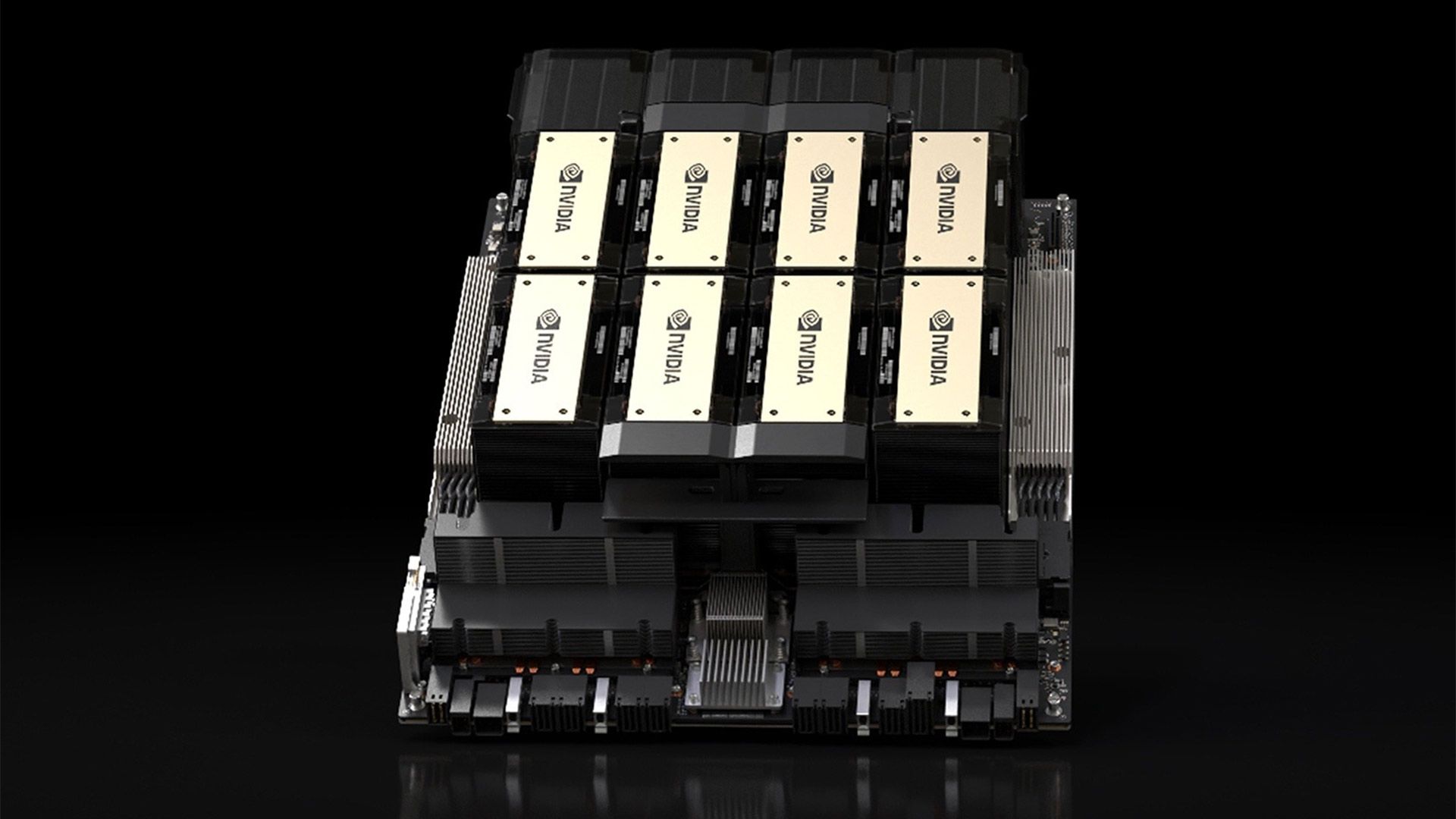
The three stories our desk logged this week describe the same shift from three different angles. AI hardware's binding constraints are no longer chip supply or investor appetite. They are electricity, physical waste, and the plumbing that connects data centers to the grid - and the companies building the hardware are starting to address those constraints directly.
Capital Is No Longer the Scarce Input
Crusoe's $3.9 billion raise, reported by TechCrunch, values the data center company at $30.9 billion. That is a striking number for a firm whose business is essentially building and operating the physical plant that AI hardware sits inside. The round funds both massive data centers and small modular "AI factories," according to TechCrunch - a portfolio that spans the very large and the deliberately small.
For US technology companies, the signal is that financing the AI hardware buildout is not the hard part right now. A company can raise billions to pour concrete, install power distribution, and rack GPUs. What the raise does not buy is a guaranteed interconnection, a guaranteed power contract, or a guaranteed place to put the equipment when it reaches end of life. The money has arrived ahead of the infrastructure that money needs.
That is a reversal of the usual constraint story in this sector. For most of the GPU era, the scarce inputs were silicon and packaging. Those remain tight, but the stories logged this week point to a buildout that is now gated by things a semiconductor supply chain cannot fix.
Power Grid Connections Are the New Bottleneck
NVIDIA and Google's new coalition, covered by Engadget, aims to speed AI data center grid connections in exchange for more flexibility. That framing is important. The coalition is not asking for more generation or more transmission capacity in the abstract. It is proposing a trade: data center operators accept some flexibility in how they draw power, and in return utilities and grid operators move them up the queue.
This is a recognition that the interconnection queue, not the GPU order book, now sets the timetable for a US data center. A coalition of this kind also signals that the largest hardware buyers have concluded they cannot solve the problem individually. Grid connection is a collective-action problem, and the companies with the most racks on order have the most to lose from a slow queue.
For the US market, the practical effect is that the geography of AI hardware deployment may shift. Sites with faster interconnections become more valuable regardless of land cost. That favors regions with spare grid headroom over regions where the queue is already long, and it gives incumbent utilities unusual leverage over which AI hardware projects get built and when.
The Waste Bill Arrives Later, but It Is Already Priced In
The Verge reported on a new report warning that e-waste from the AI boom has been vastly underestimated. By 2050, the report estimates, it could become enough trash to fill 23 million shipping containers - roughly enough 40-foot containers to circle the world six times if lined up in a row. The Verge notes this is a significantly higher estimate than previous studies produced.
The number matters because it reframes what a GPU fleet actually is. Every accelerator, every server, every power shelf and cooling unit in an AI data center has a disposal cost that arrives years after the revenue. The Crusoe raise and the coalition's grid push are about the front end of that lifecycle. The e-waste estimate is about the back end, and it is the part of the ledger with the least institutional machinery behind it.