The GPU beat now tells its biggest stories through three distinct registers: the individual warranty dispute, the many-GPU benchmark, and the cult oddity. The thread running through this month's stories is that AI hardware's cultural and commercial stakes have grown so large that grievance, measurement, and satire all now function as credible evidence about the same market. For US technology companies and consumers, the question is which of those registers they actually treat as signal.
The Warranty Story Is a Trust Story
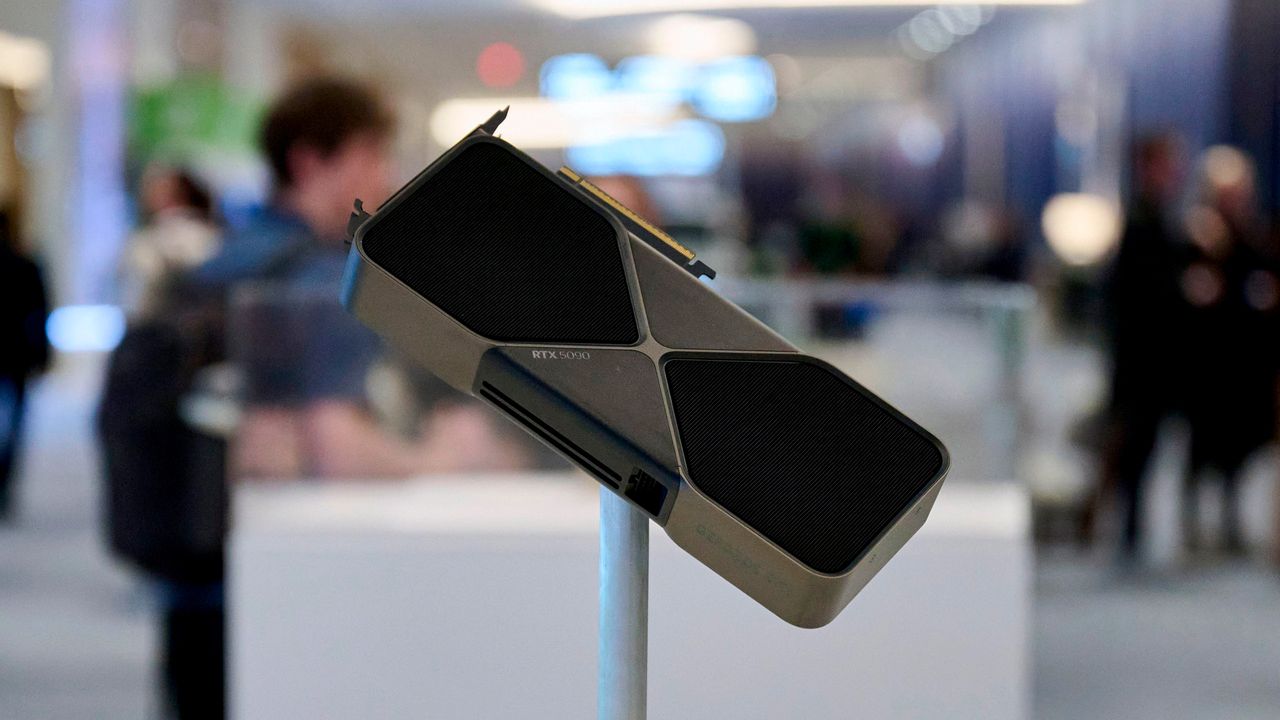
A Redditor reported that Nvidia allegedly rejected warranty claims for GeForce RTX 5090 Founders Edition graphics cards because the serial number on the bracket was unreadable, a case Tom's Hardware covered and which customers described as not isolated. The reported price of the card in question was $6,500, and the reported blemish was a faded serial number, not a dead GPU or a failed power stage. That distinction matters. A faded serial number is a documentation problem, not a functional defect, and yet it reportedly became the hinge on which warranty coverage turned.
For US consumers, this is the part of the AI hardware boom that does not show up in launch-day reviews. A flagship card sold at a premium price is expected to carry premium after-sale treatment. When the failure mode is a marking on a bracket, the dispute is less about one card than about whether ownership of expensive hardware confers durable rights. US buyers of high-end GPUs are, in effect, being asked to treat the physical card, its serial marking, and its paperwork as a single fragile artifact. Nvidia's reported denial, as covered by Tom's Hardware, becomes a data point about how AI-era margins and supply constraints may be reshaping customer service norms.
The Benchmark Story Is an Evidence Story
Against that, Tom's Hardware tested Control Resonant across 28 graphics cards from Nvidia, AMD, and Intel. The game's warped Manhattan cityscape, path-traced lighting, and full support for Nvidia's DLSS 4.5 technologies pushed those cards to their limits. The number 28 is the important figure here, because it converts a single anecdote into a distribution. One denied warranty claim can be dismissed as an outlier. Twenty-eight GPUs under one path-traced workload produce a curve, and curves are what US buyers, system builders, and enterprise procurers actually use to make decisions.
The presence of three vendors in that test also matters. Path-traced lighting and DLSS 4.5 support are not neutral features; they define which cards can run a marquee title acceptably and which cannot. For US consumers weighing a purchase, the benchmark is the counterweight to the warranty story. It says the hardware still performs, and it says the performance gap is measurable. But it also says something less comfortable: the software stack, not just the silicon, is where the value now sits. A card's real-world capability depends on whether a given game supports a given upscaling technology, which means the buyer is purchasing into an ecosystem as much as a board.
Why the Two Registers Collide
Put the warranty report and the benchmark together and the GPU market's current tension becomes visible. The benchmark establishes that these are high-value, high-performance products. The warranty report establishes that the terms of ownership around those products can be contested over something as small as a serial number. Neither story refutes the other. Together they describe a market where the purchase decision is well documented and the post-purchase experience is less so.
For US technology companies, that asymmetry is a reputational exposure. The AI hardware cycle has pushed GPU prices and demand to levels where customers scrutinize not just frames per second but the full lifecycle of the product. A denial letter about a faded serial number travels through the same forums and subreddits where benchmark results are shared. The two kinds of post now sit side by side in the same feeds, which means the customer-service story is now part of the product story whether vendors intend it or not.