Big Platforms Are Fixing Old Gaps and Calling It Strategy
Article

Big Platforms Are Fixing Old Gaps and Calling It Strategy

The week's software news shows established platforms closing long-standing gaps rather than chasing new ground, and that framing carries real risks for US users.

BhavyaNovember 9, 20264 min read

Photo: TechCrunch

The software stories on this desk share a shape: established platforms are closing long-standing gaps and presenting the results as forward motion. Waymo's fix to its self-driving software, Epic's SteamOS support, Automattic's vibe-coding deployment platform and Venmo's bill splitting all follow that pattern. The thread is maintenance dressed as innovation, and it matters because US consumers and regulators are being asked to judge these companies on the framing rather than the substance.

The Fix Nobody Called a Fix

The most consequential example is the least flattering. As TechCrunch reported, federal regulators say Waymo robotaxis kept illegally passing school buses even after a software update meant to correct the behavior, an update rolled out nearly a year ago. This is not a product launch; it is a safety-critical remediation that apparently did not fully remediate. For US passengers and the pedestrians around them, the story reframes what a software fix means. When a company ships a patch to a vehicle fleet, the patch becomes part of the regulatory record, and the claim that the problem is solved travels further than the evidence does. The lesson generalizes: an update is a promise, and promises in safety-adjacent software carry liabilities that feature launches do not.

Compatibility as a Competitive Weapon

Epic's move is the mirror image, a gap-closing that looks like generosity. The Verge reported that after saying in October it was investigating Fortnite compatibility with Valve's Linux-based SteamOS, Epic confirmed SteamOS support for its launcher, along with several other distributions, according to Communications Director Jake Jones. For years, the launcher's absence from SteamOS was a practical barrier for a subset of US gamers who had chosen Valve's hardware. Closing it is not a new product; it is the removal of a self-imposed obstacle, likely in service of reach rather than principle. The competitive logic is familiar: platforms open doors when staying closed costs more than opening. That is good for consumers, but it is a tactical concession, not a strategic pivot, and it should be read as evidence of where leverage sits rather than a change of heart.

Building for the Builders

Automattic's debut of a platform to deploy vibe-coding apps, aimed at competing with the likes of Lovable, fits the same template from a different angle, as TechCrunch reported. Here the gap being closed is Automattic's absence from a category that has grown around it. The company is not inventing demand; it is catching up to competitors and repackaging the effort as a debut. For US developers and small businesses, this is mostly welcome: more deployment options lower the cost of shipping a small application. But it also raises a question the announcement does not answer. When a mature platform enters a fast-moving category, the risk is that it ships a deployment layer while leaving the harder questions, around support, reliability and the economics of hosting generated software, for later. The framing of a debut obscures the fact that this is a defensive move into contested territory.
The Feature That Waited

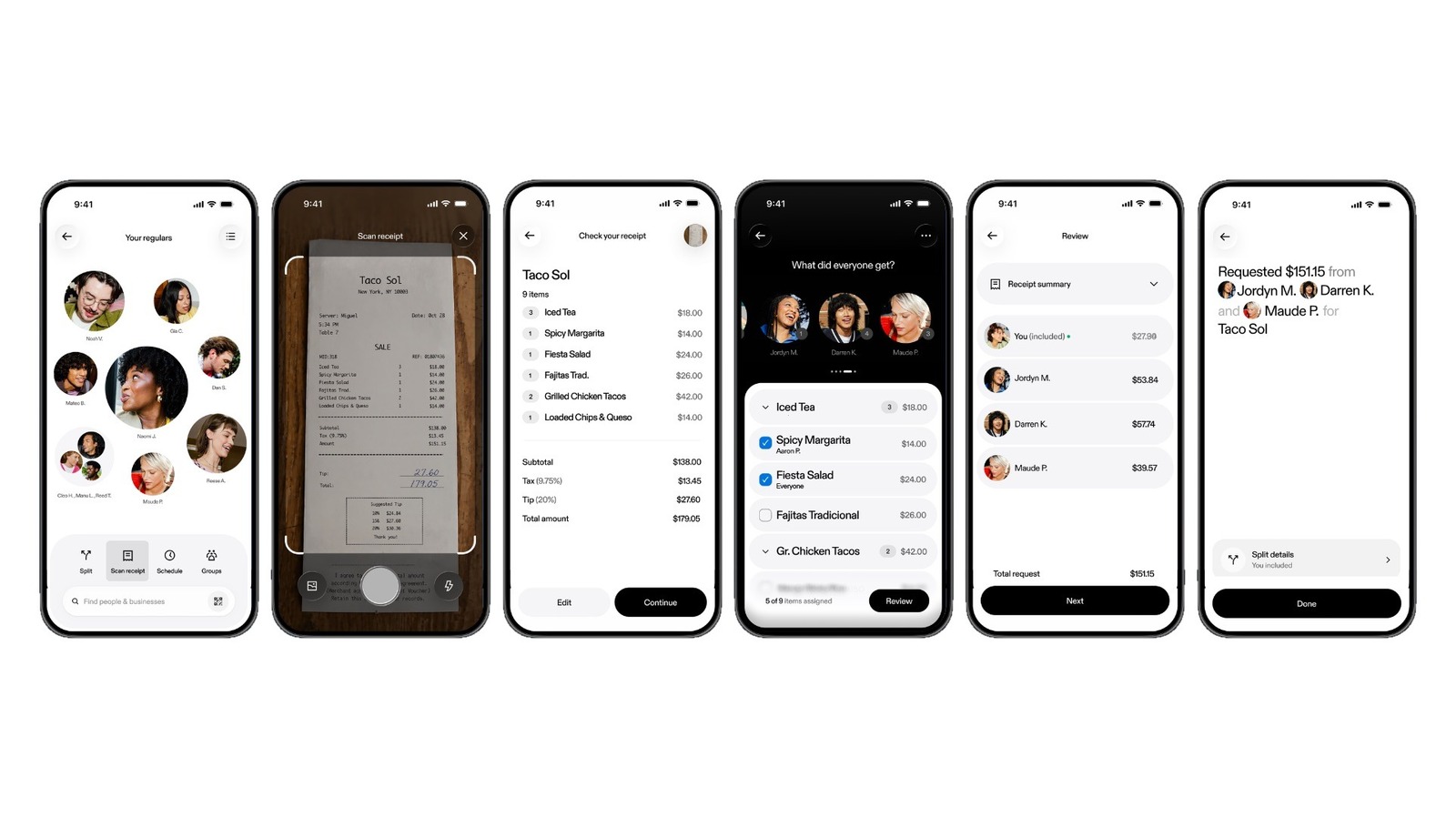
Venmo's in-app bill splitting, with a receipt-scanning feature rolling out now per Engadget, is the cleanest case. Bill splitting is not a novel idea; it is the reason many US consumers first downloaded the app or first asked a friend to. Making it native and adding receipt scanning closes an obvious gap that third-party workarounds had filled for years. The consumer benefit is real and immediate: fewer manual calculations, less friction in shared expenses. The strategic benefit is retention, because a feature people leave the app to accomplish is a feature that can pull them somewhere else. Again, the story is about a platform catching up to user behavior rather than leading it.

Why the Framing Matters for the US Market

Taken together, these four items describe an industry in a consolidating phase, where the visible activity is repair, compatibility and catch-up rather than frontier work. That has three implications for the US market. First, consumers should expect updates to be judged on outcomes, not announcements, and the Waymo case shows why: a nearly year-old fix is now the subject of a federal claim that it did not work. Second, competitive pressure is doing the work that strategy statements claim to do. Epic's SteamOS support and Automattic's vibe-coding platform both exist because rivals and user demand made the alternative costly, and that dynamic tends to produce durable benefits for US users. Third, regulation will increasingly attach to the language of updates. If companies describe remediation as innovation, agencies and courts will have to decide which it is, and the gap between the two descriptions is where liability lives.

What to Watch

The concrete signals are in the source material. Watch whether the federal claims about Waymo's software fix produce further findings about the update itself, since the timing, nearly a year ago, makes the remediation the story rather than the original defect. Watch whether Epic's confirmed SteamOS and other distribution support arrives as broadly as stated, because a launcher's compatibility list is easy to announce and harder to maintain. Watch how Automattic's platform is received against the competitors it was built to answer, since a debut in a crowded category is measured by adoption, not launch. And watch whether Venmo's receipt-scanning rollout reaches users as smoothly as the feature's logic suggests it should, because a feature that replaces a workaround has to be more reliable than the workaround to stick.

More on this beat: Software on TechManNews.

#platform strategy#software updates#autonomous vehicles#gaming#consumer apps#regulation

Newsletter

Get Tech News in Your Inbox

The latest AI, gadgets, software and startup stories from TechManNews, delivered every morning - free.