The smartphone's most consequential details are increasingly the ones users cannot see or do not understand. Three recent stories on this beat - eSIM compatibility, a tiny Android status icon, and gloves built to work with touchscreens - all concern the same underlying problem: the features that determine whether a phone works as promised are buried beneath the surface, and the burden of discovering them falls on the buyer. That pattern has real consequences for US consumers and for the companies selling to them.
A Compatibility Check Nobody Runs Before Buying
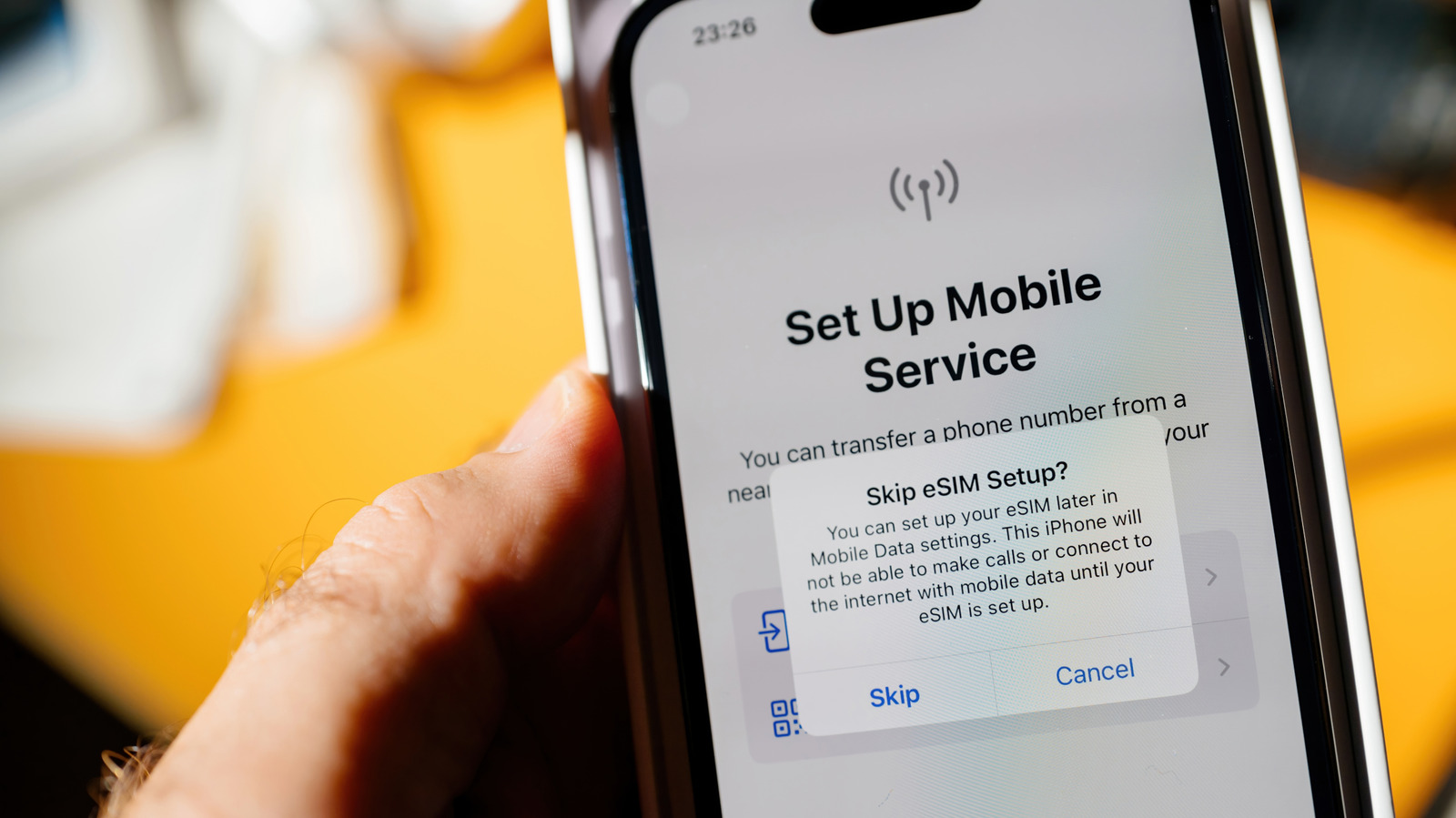
Engadget's recent guide to checking eSIM compatibility frames the technology around money: an eSIM can save a traveler money on international trips, but only if the phone supports it. The guide walks through how to check compatibility on iPhone and Android in a few steps. The telling word is "check." The capability exists in the hardware, but it is not something a shopper learns from the box or the shelf talker. It surfaces at the moment of need - typically when someone is already abroad or about to leave - and the answer arrives through a settings menu or a carrier lookup rather than through the purchase decision.
This is a structural feature of the modern handset, not a one-off. US carriers have leaned on eSIM as a convenience and, in some cases, a requirement, but the compatibility question remains a research task rather than a stated specification in most retail contexts. The consumer who does not know to ask pays in roaming fees or in a last-minute hunt for a physical SIM. The information exists; it simply is not delivered at the point where it would change behavior.
The Blue Dot and the Cost of Unlabeled Signals
Engadget's explanation of the tiny blue dot in the top right corner of an Android phone makes a similar point from the opposite direction. The dot indicates something important, and the story exists because a large share of users do not know what it means. Here the mechanism is reversed from the eSIM case: the phone is actively communicating, but the communication is encoded in a symbol that is not self-explanatory.
Status indicators are a design language, and like any language they require instruction. When a platform introduces a privacy or activity indicator, the company has made a judgment that the information matters. But a symbol without a widely understood meaning shifts the interpretive work onto the user. The result is a population of phone owners who either ignore the signal or misread it - and a small industry of explainer articles that exists to close the gap.
That gap matters more in the US than it might elsewhere, because American smartphone buyers have relatively few channels through which to learn these conventions. Carrier retail staff are not a reliable source of platform-level detail, and the platforms themselves communicate through release notes and support pages that most owners never read. The blue dot is a small thing. The pattern it represents is not.
Gloves Are a Compatibility Story Too
Wired's roundup of the best touchscreen gloves for 2026 poses the question as a modern dilemma: whether a person can keep their hands warm and use a smartphone at the same time. The framing is light, but the substance is not. Touchscreen gloves exist because capacitive touchscreens require conductive material at the fingertip, and not every glove is built to provide it. A buyer choosing among knitted, waterproof, and leather options is, in effect, performing a compatibility check - the same kind of check Engadget recommends for eSIM, and the same kind of check that the blue dot's presence implies but does not announce.