The US semiconductor industry is expanding capacity far faster than it can staff it, and the mismatch is now shaping decisions at every layer of the market. Apple's reported plan to build a server packed with M-series Ultra chips for a 2029 debut, as Ars Technica reported, and the industry's projected 157,000-worker shortfall, as Tom's Hardware reported, are not separate stories. They are demand and supply in the same labor market. The same dynamic runs through Wired's question about why Silicon Valley remains a boys' club: the sector's hiring base is too narrow for the buildout it has committed to.
The Buildout Is Real and Dated
Apple's reported server effort matters less as a product than as a signal. According to Ars Technica, the planned 2029 debut could make this Apple's first enterprise server in decades. A company that has spent years designing its own silicon for consumer devices is now contemplating the data center tier, which means it would be competing for the same scarce chip talent and fabrication capacity as everyone else. The timeline is not speculative in the sense that it is undated; it is a specific plan with a specific horizon. That horizon is the problem.
The Arithmetic of the Shortfall
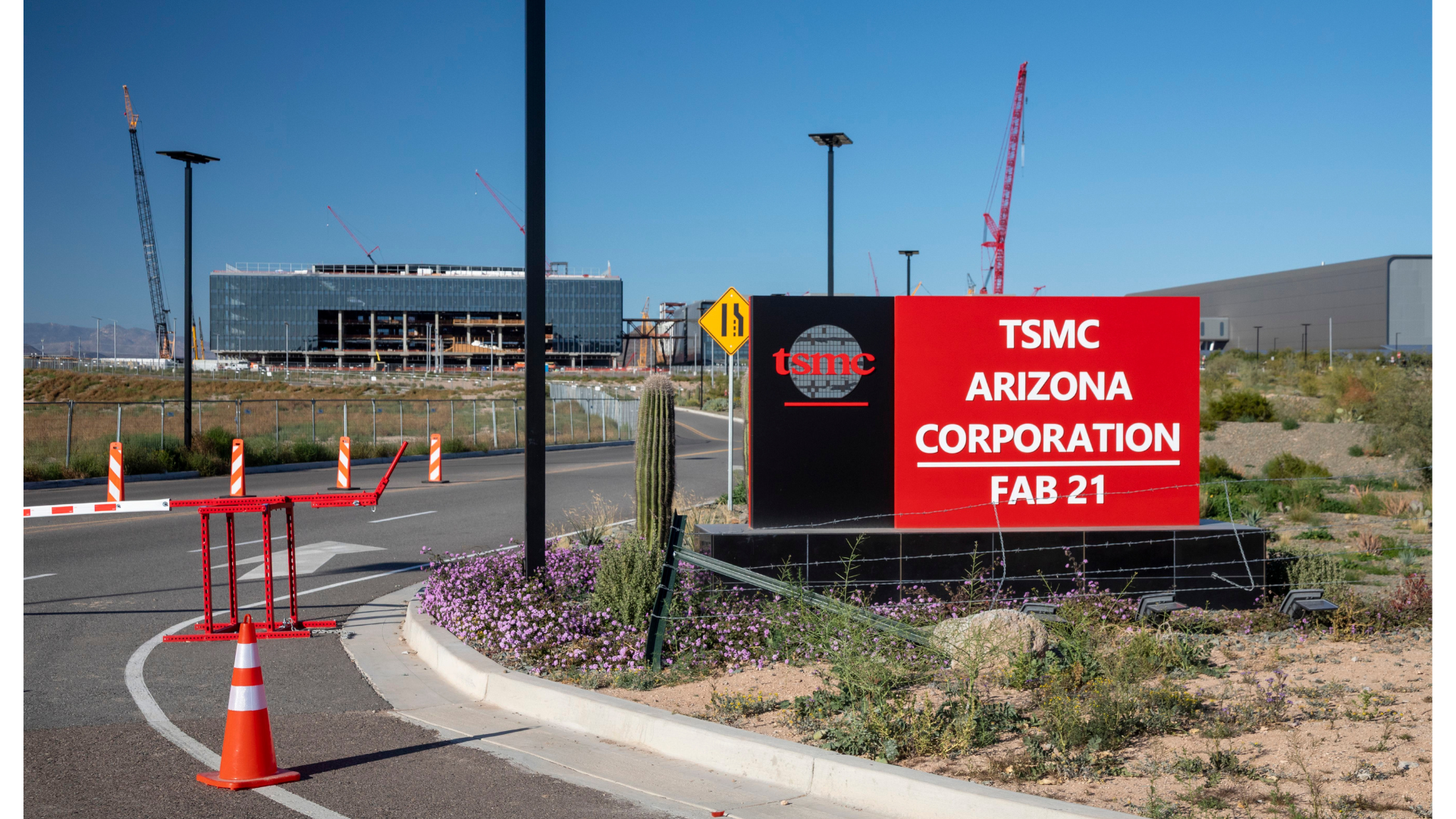
The numbers from Tom's Hardware are stark. US chip fabs face a 157,000-worker shortfall. Only 3% of US engineering graduates enter chipmaking, despite six-figure salaries. As semiconductor fabs and facilities come online in the 2030s and beyond, a global consulting firm said those sites will need thousands of engineers and technicians the US will be hard-pressed to fill. This is not a cyclical hiring crunch. It is a structural gap between the capacity being built and the people available to run it. The salary premium is real and it is not working.
Apple's Server Plan Is a Labor Story
Apple's reported server is easier to read as a labor story than a product story. Building a server packed with M-series Ultra chips requires design engineers, verification engineers, process engineers, and technicians. Each of those roles is already in short supply. If Apple proceeds, it does not simply add demand for chips; it adds demand for the people who design and build them. The reported 2029 debut means the company is planning years ahead in a market where the pipeline is not filling. That is a bet on talent that the current numbers do not support.