Three recent operating system stories point at the same thing: the value of an OS release is increasingly measured by what it preserves, not by what it adds. Apple's macOS 27 Golden Gate is being read as both a Snow Leopard-style stabilisation release and an Apple Intelligence leap, a leaked Windows XP key from the 2000s is still explaining how copy protection actually worked, and Microsoft has reminded customers that Windows 11 24H2 Home and Pro reach end of support in October. The pattern is that platforms now live and die on their ability to keep old decisions coherent.
Snow Leopard and the AI Exception
Ars Technica's review of macOS 27 Golden Gate describes the release as both a "Snow Leopard update" and a major leap for Apple Intelligence. Those two descriptions would normally be contradictory. A Snow Leopard update is remembered as a release that adds almost nothing visible and fixes what already exists. An AI leap is the opposite: new model capability, new surfaces, new reasons to upgrade. The review's framing suggests Apple is trying to do both at once, and that the company believes the two goals are compatible.
For US consumers, that compatibility is the interesting claim. The Snow Leopard tradition says the operating system should get out of the way. The Apple Intelligence tradition says the operating system is now a delivery vehicle for models that change what the machine can do. If Golden Gate holds both, then Apple's pitch is that the AI is the feature and the stability work is what makes the feature tolerable. That is a different sales argument from the one Apple has used for most of the past decade, when the annual macOS release was judged mainly on new interface elements and app-level features.
It also puts pressure on the rest of the US software market. If the headline macOS release of the year is partly a maintenance story, then Mac developers cannot rely on a fresh batch of APIs to justify their own upgrades. The bar shifts toward whether existing software keeps working well. That is a harder bar to market, but it is the bar that Snow Leopard-era users remember most fondly.
Windows XP and the Cost of Keeping a Promise
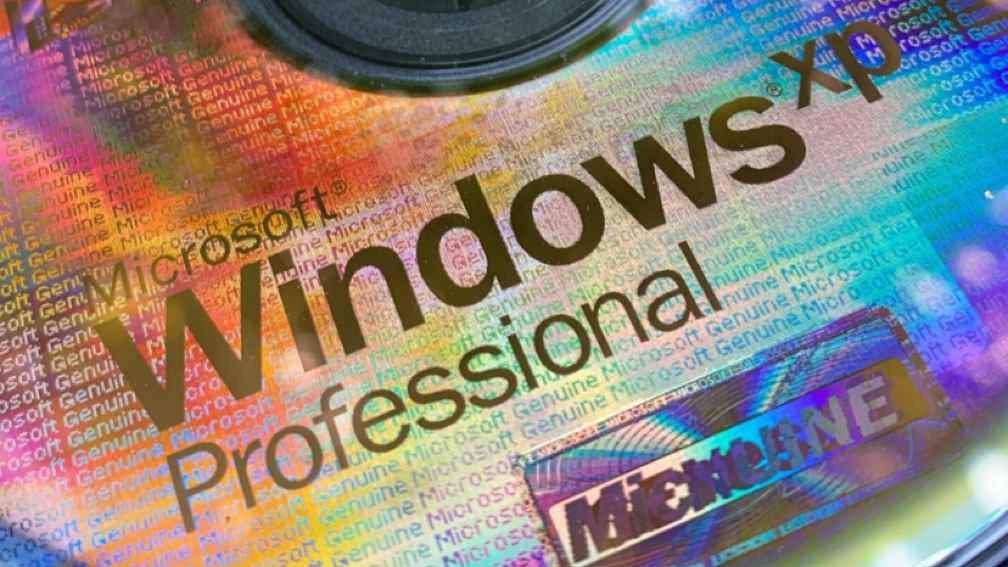
Tom's Hardware reports that a retired Microsoft engineer has detailed the story behind the famous leaked FCKGW Windows XP key. According to that account, copy protection used 10MB of encrypted Microsoft Bob for validation. The key itself, FCKGW-RHQQ2-YXRKT-8TG6W-2B7Q8, became one of the most recognised strings in the history of consumer software.
The detail that matters now is not the key. It is the 10MB of encrypted Microsoft Bob. A product that Microsoft had already retired was reused as the payload for a licensing mechanism in a product that millions of people were about to install. That is the operating system business in miniature: the parts that survive are not always the parts anyone intended to keep. They survive because something later depends on them.
For US technology companies, the XP story is a reminder that backwards compatibility is not free and not always noble. It is an accumulated set of dependencies, some of them accidental. A licensing system built on a dead consumer product is an extreme case, but the principle scales. Every OS release inherits decisions made by people who have left the company and products that no longer exist on the roadmap.
The End of Support Date as a Product Decision
BleepingComputer reports that Microsoft reminded customers this week that devices running Windows 11 24H2 Home and Pro will stop receiving updates next month. That is the third story, and it is the one that most directly affects US consumers and businesses.