The three stories logged on this beat recently look unrelated: a comparison of password managers and authenticator apps, a guide to setting up a Sonos speaker through its app, and a roundup of ways to get free movies and TV channels on a smart TV. The thread running through them is that the app layer, not the hardware or the subscription, is where American consumers now exercise control over their devices, their accounts, and their media. That shift has consequences for US technology companies, because it moves the locus of competition, support burden, and churn away from the box on the shelf and onto software that has to be maintained indefinitely.
Authentication Moves Into the App
The Engadget comparison of password managers and authenticator apps starts from a premise that would have been unusual a decade ago: there is no perfect solution, but different authentication methods work better in some circumstances than others. That framing matters. Password managers and authenticator apps are both pieces of consumer software, and the choice between them is no longer a technical detail buried in a settings menu. It is a decision ordinary users make about how they will access banking, email, and work tools.
For US consumers, the practical effect is that account security has become an app-management problem. A password manager is only as good as the device it sits on and the master password the user remembers. An authenticator app is only as good as the phone that holds it. Neither is inherently superior, which is why Engadget's piece resists a single recommendation. The outlet's point is conditional: circumstances differ, and the right tool changes with them.
For US technology companies, that conditionality is awkward. Security guidance that once ended with a slogan now has to account for users who may hold credentials in one app and one-time codes in another. Support teams inherit the ambiguity. So do product teams, who must decide whether to build authentication into their own apps or defer to the operating system's tools.
The App as the Only Door In
The Sonos setup guide makes the same point more bluntly. Whether a user has just bought a speaker or is adding one to an existing setup, Engadget reports, the app is required. There is no meaningful path around it. The hardware is inert until the software on a phone or tablet configures it.
That is a mature pattern in US consumer hardware, and it is not limited to audio. It means the first-run experience is a software experience, and it means the vendor's relationship with the customer runs through an app store, a login, and a firmware update pipeline. When setup fails, the speaker is not perceived as broken hardware. It is perceived as a broken app, and the review reflects that.
The strategic consequence is that hardware margins and app quality are now coupled. A company can build an excellent speaker and still lose the customer in the first ten minutes if the companion app is confusing. Conversely, an app that handles multi-room setups gracefully can extend the life of hardware that is years old. The app is not a companion to the product. In practical terms, it is the product's front door.
Free Content and the Cost of Attention
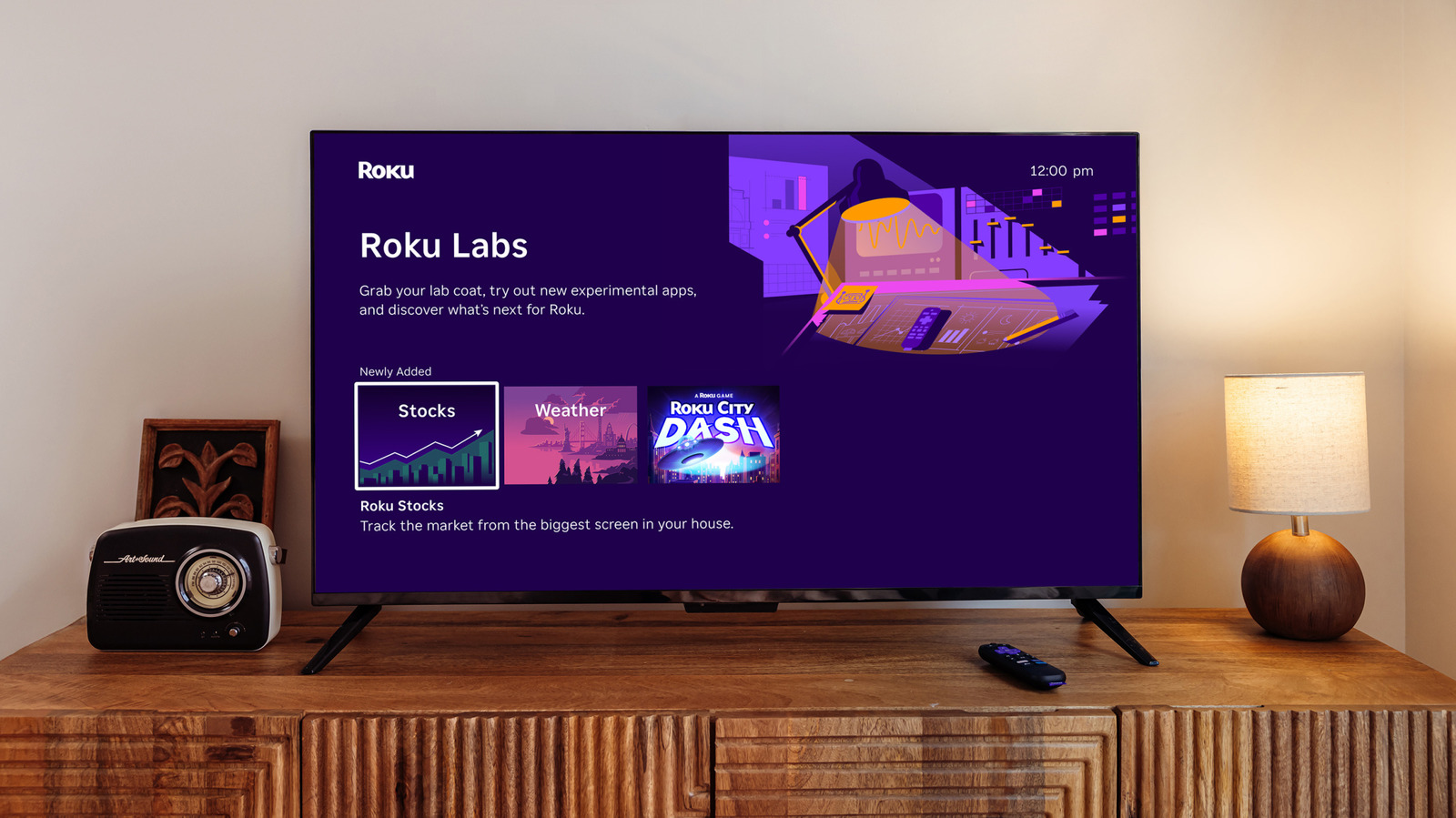
The third story, Engadget's roundup of ways to get free movies and TV channels on a smart TV, describes a different kind of app dependency. With premium streaming services proliferating, the outlet notes, it can be difficult to find the apps that offer free movies and TV channels among the sea of options.
That is a discovery problem created by abundance. US consumers who once chose between a handful of paid services now face a menu that mixes subscription apps, ad-supported apps, and free channel apps, often with overlapping libraries and inconsistent interfaces. The television is capable; the software is the constraint. Finding free content is not a matter of hardware capability but of knowing which app to open and tolerating what it shows in exchange.
The business model underneath is advertising, which means the viewer pays with attention rather than a monthly fee. For US media companies, these apps are a way to reach cord-cutters and price-sensitive households. For television manufacturers, they are a way to keep a device useful after the point of sale. For consumers, they are a reminder that the smart TV's value is determined less by its panel than by the apps it can run and the terms on which those apps operate.