AI is collapsing the distance between a code change and its real-world consequence, and the developers who build and ship software are absorbing the difference. Three recent stories on this beat - model updates from Anthropic, an automated exploit framework found by Google, and Kubernetes' revival as an inference substrate - all describe the same underlying shift: the toolchain that developers rely on is now capable of acting at machine speed, in both directions. The security and operational burden that once lived in human review steps is being redistributed into the tools themselves, and that rearrangement has direct consequences for US companies shipping software and the people who use it.
The Patch-to-Exploit Gap Narrows
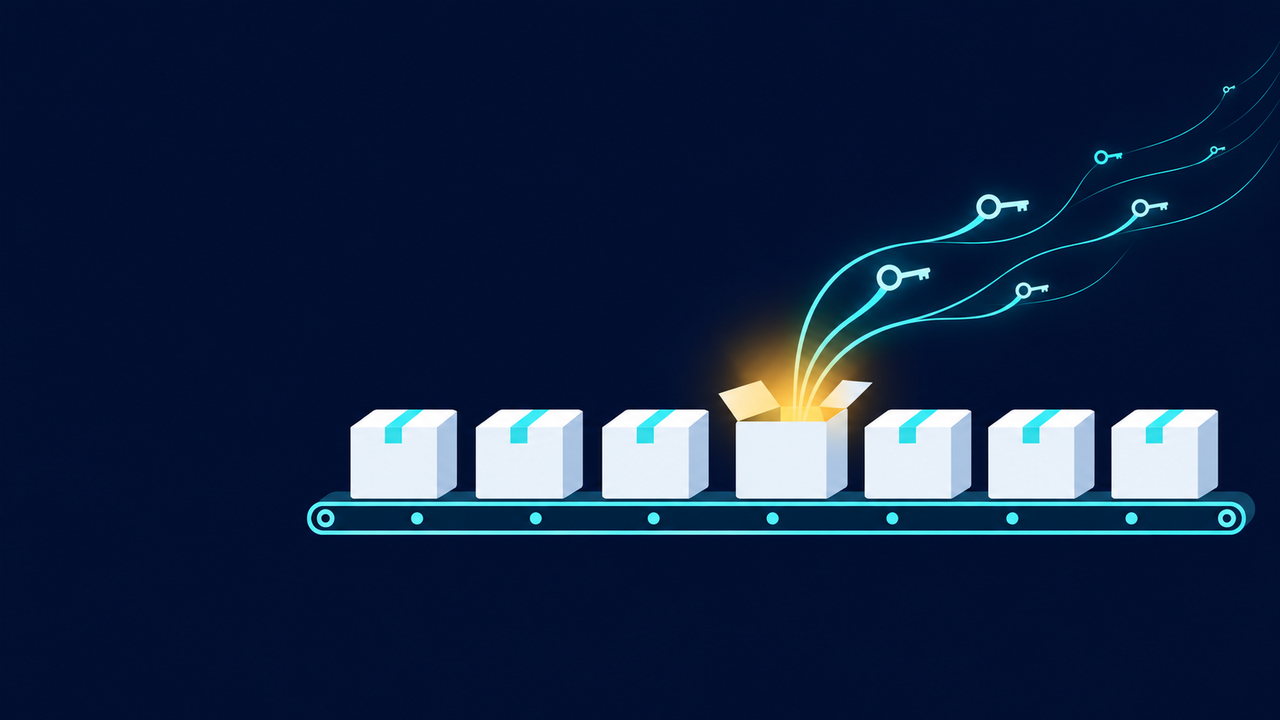
The most pointed example comes from Google. As SiliconANGLE reported, Google Threat Intelligence Group found that attackers used an AI framework running with no human in the loop to turn security patches into exploits. The framework, called exploit_agent, turned up on an exposed staging server and was wired into several other systems. The finding matters less for any single exploit than for what it says about the pipeline: patching has always carried a window between disclosure and weaponization, and human defenders counted on that window to buy time. When a framework can close that window automatically, the assumption that defenders get a head start stops holding. For US enterprises running large patch cadences - which is most of them - the practical effect is that a patch shipped on a Friday no longer implies a quiet weekend.
Model Tuning Is a Security Variable
Anthropic's recent releases push in a related direction. As BleepingComputer reported, the company rolled out Claude Mythos 5.2 to selected partners and Fable 5.2 to regular users, with improvements to coding and reasoning. The detail that matters for developers is that the two models now behave differently on security work: Fable 5.2 blocks fewer security tasks, while Mythos gets better at finding bugs. Read literally, that is a capability note. Read as a tooling signal, it means the model a developer picks for a task is now a security decision, not merely a cost or latency decision. A coding assistant that refuses fewer defensive requests is more useful for authorized testing and more available to someone doing the opposite. The tiered access - partner-only for one model, general availability for the other - puts the sharpest bug-finding capability behind an access gate, which is a reasonable control but not a substitute for developers understanding which model their tooling actually calls.
AI Workloads Pull Kubernetes Back In
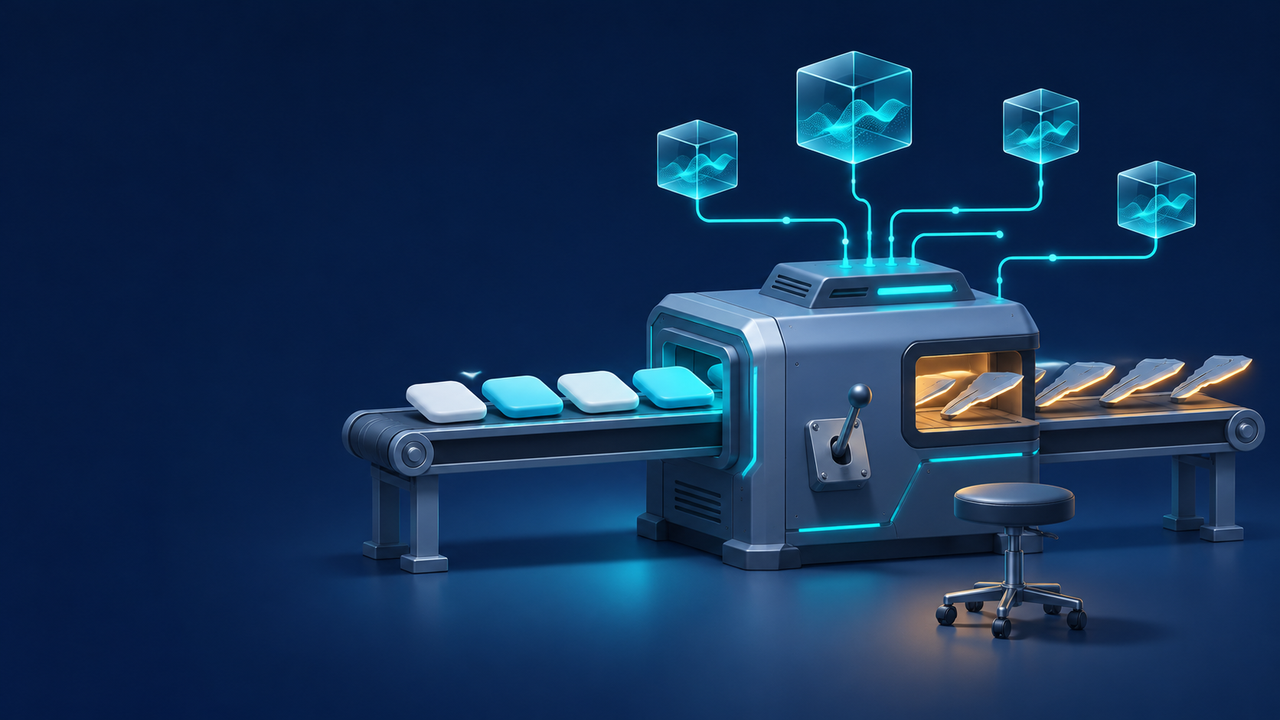
The third story is architectural. SiliconANGLE reported that the rise of agentic AI systems is giving Kubernetes an unexpected second act, as AI spending shifts from training models toward serving them and running agents. The orchestration platform, built for reliability and predictability, is being extended by the open-source community to handle agentic patterns where a single prompt can turn into thousands of inference calls. That is a developer story before it is an infrastructure story. An agent that fans one request into thousands of calls changes the shape of the application a developer is writing: retries, timeouts, cost controls, and failure isolation all become first-class concerns rather than platform details inherited from someone else. The orchestration layer that developers once treated as a solved problem is asking for genuine design attention again.