The recent headlines on our desk share a single thread: US technology companies are being squeezed by conflicting pressures from Washington's export-control enforcement and the strategic alliances needed to compete globally. On one side, the US government is cracking down on illicit chip flows to China; on the other, US firms are deepening ties with Asian partners for memory, foundry, and AI server supply chains. This tension is reshaping how American tech companies operate, and US consumers and markets will feel the effects.
Enforcement Hits the Supply Chain
Taiwanese prosecutors indicted 10 company heads over the alleged resale of Texas Instruments and Analog Devices chips to China, with parts routed to missile and radar programs using forged Taiwan defense institute orders, as Tom's Hardware reported. This is not a one-off smuggling case; it signals that US-designed or US-made components are still finding their way into Chinese military applications despite export controls. For US chipmakers, the risk is twofold: reputational damage and potential regulatory retaliation if their products are repeatedly linked to diversion schemes. The indictment also underscores that enforcement is increasingly happening far from US shores, in allied jurisdictions that host the distributors and middlemen. US companies must now police their channels more aggressively or face consequences.
The Memory-Foundry Tangle
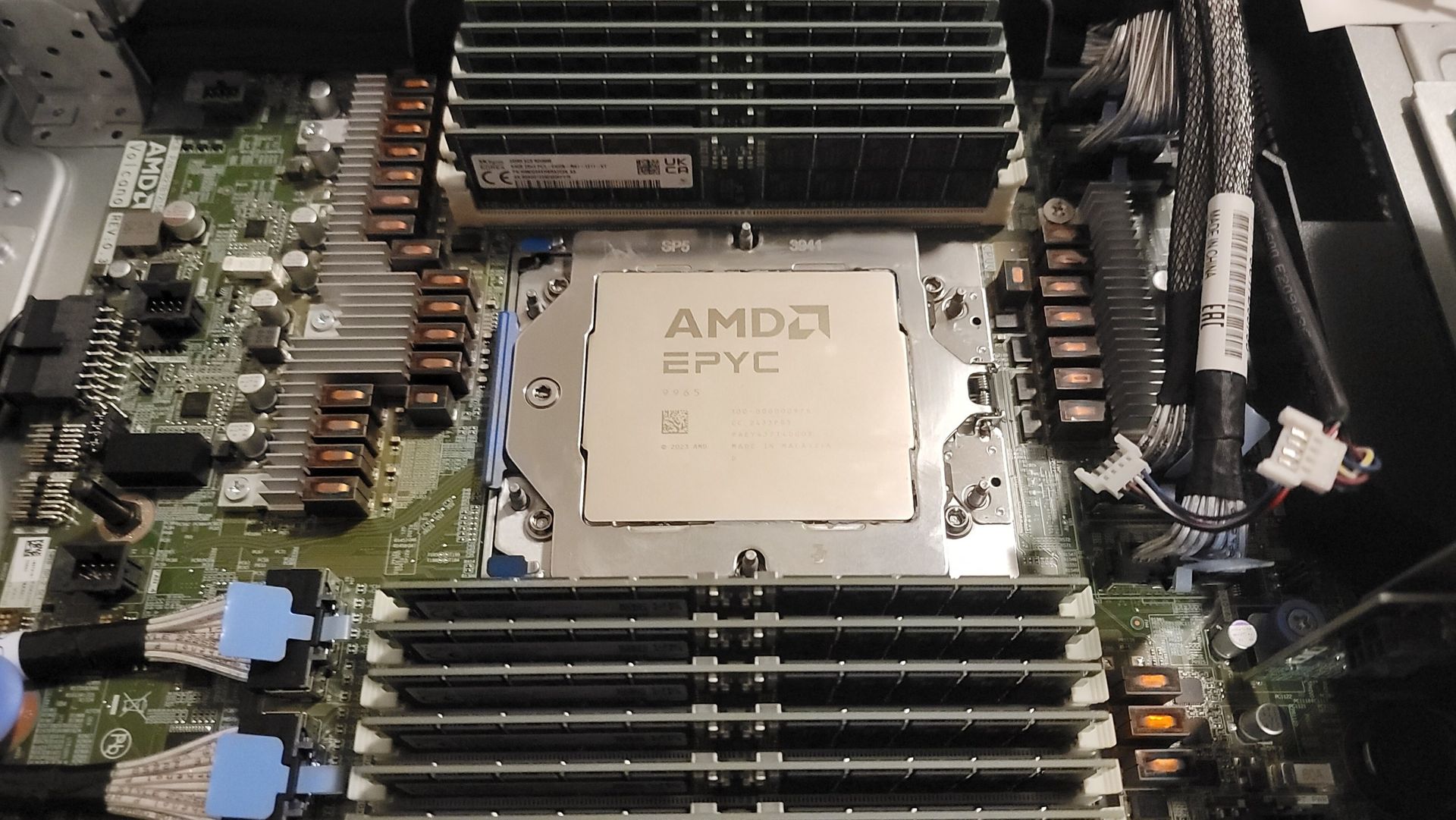
AMD is pursuing a broader partnership with Samsung as it looks to secure memory supply, while Samsung wants to tie advanced memory supply to orders at its foundry unit, according to Tom's Hardware. This is a classic leverage play: memory is scarce, and foundry capacity is a strategic asset. For US chip designers like AMD, securing memory is critical for AI and server products, but doing so may mean committing to Samsung's foundry services over alternatives like TSMC. The arrangement highlights how US firms are being forced into deeper, multi-year commitments with foreign suppliers to guarantee access to key components. That reduces flexibility and could raise costs, which may eventually pass through to US data center operators and, indirectly, to consumers of cloud services.
AI Servers Drive Socket and Cooling Changes
AMD's EPYC Verano AI host CPU will reportedly use a special SB1 socket, and Dynatron quietly unveiled an air cooler for it, as Tom's Hardware noted. This small detail reveals a larger trend: AI server designs are diverging from standard enterprise CPUs, requiring custom sockets and cooling solutions. For US hyperscalers and server makers, this means new supply chains, new validation cycles, and potentially higher costs. It also means that US firms like AMD are pushing specialized hardware to capture AI workloads, but they depend on a network of Asian component makers for sockets, coolers, and assembly. Any disruption in that network - whether from export controls or geopolitical tension - can delay deployments and raise prices for US cloud and AI services.