The smartphone stories worth watching right now are not about new hardware. They are about companies building phone experiences that depend on platform conditions nobody has finished arranging yet. Amazon is prototyping a phone identity through its tablets, Google is shipping a flagship feature its biggest Android partner cannot use, and Samsung's newest flagship is being taken apart at a security contest in Ireland. The common thread is that the software layer, the partnership layer and the security layer of the US phone market are all operating out of sync.
Amazon Is Testing a Phone Without Shipping One
Wired reports that Amazon is rumored to be making a smartphone, and that the Alexa-powered experiences on its new tablets give a taste of what might come if that happens. That framing matters more than the rumor itself. Amazon is not waiting for a handset to build the interaction model it would need on one. It is using tablets as the proving ground, which lets it tune wake-word behavior, ambient assistant prompts and cross-device continuity on a product category where the stakes are lower and the failure modes are less expensive.
For the US market, this is an unusually patient approach from a company that has historically pushed hardware aggressively. A phone built around Alexa would compete in a segment where Apple and Google control both the operating system and the default assistant. Amazon's tablets give it a way to test whether consumers will tolerate an assistant-first device before committing to the carrier relationships, certification cycles and retail commitments a phone requires. The Alexa experiences on those tablets are, in effect, a public beta for a phone that may never ship.
Google's Best Phone Features Stop at the Door
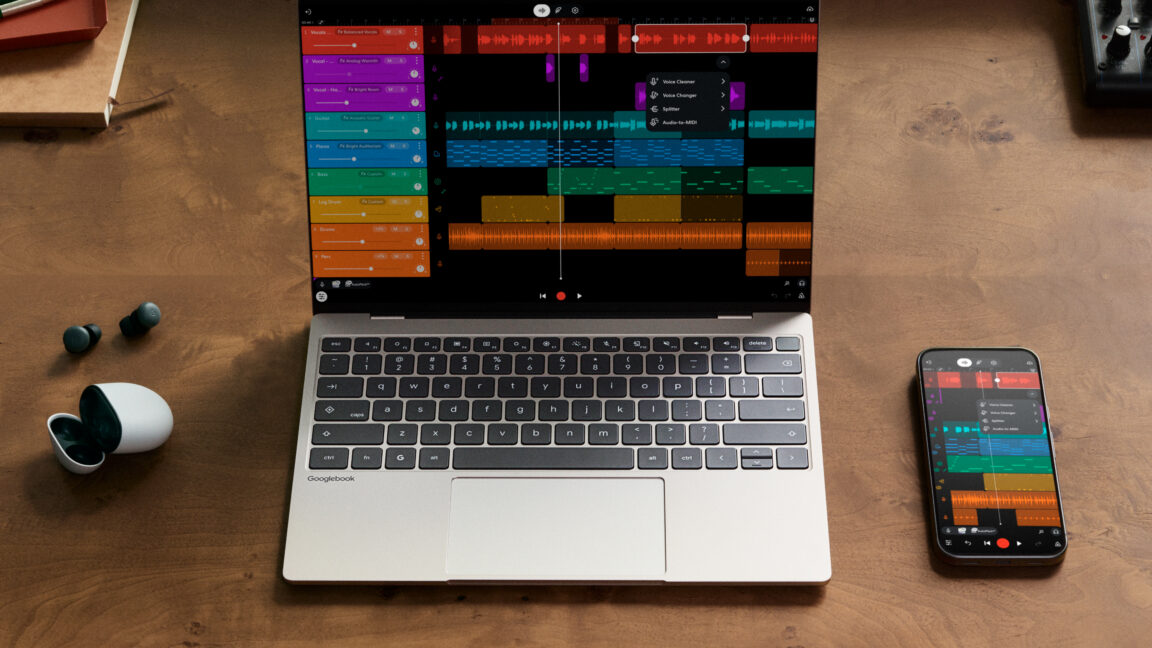
Ars Technica reports that Googlebook "Better Together" phone features do not work with Samsung at launch, because Googlebooks require Android 17 and Samsung's Android 17 phones will not work yet. This is the clearest illustration of the pattern. Google has built a feature that depends on a specific operating system version, and its most important Android hardware partner is shipping that version without the interoperability.
The practical consequence lands on US consumers first. A buyer who assembles an all-Android setup from two reputable brands can reasonably expect the pieces to work together, and at launch they will not. The feature is not broken in isolation; the partnership is. Android's openness has always been its selling point, but it also means Google cannot guarantee that its own flagship integrations arrive on time across the devices most Americans actually buy. Version parity is not the same thing as feature parity, and the gap between the two is where customer frustration accumulates.
The Security Bill Comes Due on the Flagship
BleepingComputer reports that the Samsung Galaxy S26 was hacked three more times at Pwn2Own Ireland. On the second day of the event, researchers collected $232,500 in cash awards after exploiting 45 unique zero-day vulnerabilities. Those are contest numbers, not a measure of how any individual phone behaves in ordinary use. But they are a signal about the volume of undisclosed flaws researchers can find when they concentrate on a modern handset.
What matters for US consumers is timing. The Galaxy S26 is a current flagship, the device Samsung expects American buyers to pay premium prices for. Contests like Pwn2Own are how some of those flaws get surfaced and fixed rather than sold on the gray market. A phone that gets hacked repeatedly on stage is not necessarily an unsafe phone; it is a phone whose attack surface is being probed by people who will disclose what they find. The alternative, undisclosed exploitation, is worse for everyone.