The PC Market's New Squeeze: Niche Buyers, Shrinking Margins

Photo: Engadget

Article

The PC Market's New Squeeze: Niche Buyers, Shrinking Margins

Three recent stories suggest the PC industry is now chasing narrow, high-intent buyers rather than the mass upgrade cycle it once relied on.

SuryaOctober 7, 20265 min read

The PC industry's growth story in late 2026 is no longer about persuading everyone to buy a new computer. It is about extracting more revenue from a smaller set of committed buyers. That thread runs through three stories logged on this beat recently: Microsoft's Windows and Surface event with NVIDIA, the rise of Mac Mini docks, and a $280 1440p QD-OLED monitor from AOC.

Microsoft Bets on the Committed Buyer

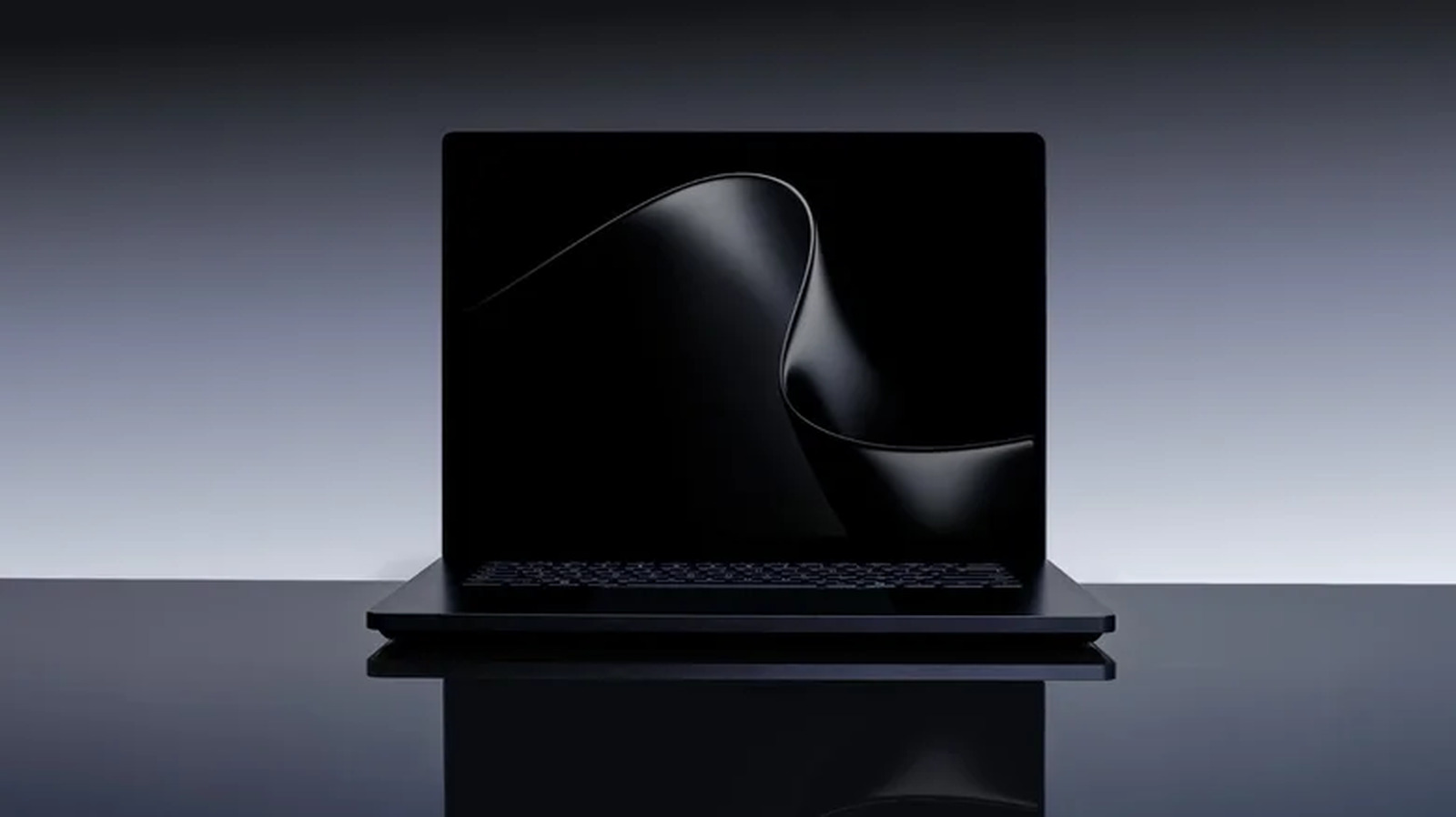
Engadget's live coverage of the Microsoft Windows and Surface event notes that Satya Nadella and Jensen Huang took the stage together, with more details coming on the Surface Laptop Ultra and NVIDIA RTX Spark. The pairing is notable. A Surface flagship and an NVIDIA silicon platform sharing a stage is not a mass-market pitch. It is a pitch to people who already know what an NPU is, who care which GPU is inside, and who are willing to pay for the difference.

That is a deliberate narrowing. For most of the past decade, PC makers chased the broad replacement cycle: students, office workers, families buying one machine every five or six years. That cycle has weakened, and the industry has responded by moving upmarket. The Surface Laptop Ultra and the RTX Spark are not aimed at the buyer who just wants a laptop that works. They are aimed at the buyer who has a reason to care.

The presence of Huang matters for a second reason. NVIDIA's consumer GPU business has been pulled in two directions by data center demand, and a tighter integration with Microsoft's flagship laptop line suggests the company still sees the premium PC as a strategic surface. For US technology companies, that is a signal that the high end of the client market is worth defending even when the low end is commoditized.

Docks as a Signal of the Headless Shift

Tom's Hardware's report on Mac Mini docks describes a product category that would have seemed odd a few years ago: accessories molded to sit beneath Apple's mini desktop, adding ports and internal storage. The article names the use cases directly - headless server, AI machine, Apple workstation.

This is a small but telling market. Apple's Mac Mini has always been a niche product, but the buyers described here are not casual. They are running the machine without a dedicated display, often as a always-on system for local AI workloads or as a home server. The dock exists because the base machine does not have enough ports or storage for that role, and because the buyer would rather add a molded accessory than move up to a Mac Studio.

For US consumers, this is a genuine change in how a desktop gets used. A computer that once sat under a monitor is now more likely to sit in a closet or on a shelf, serving other machines. The accessory market has noticed. For US technology companies, the lesson is that the desktop is not dying; it is being redefined as infrastructure, and the money is in the accessories and upgrades that make it fit that role.

OLED Finally Reaches the Midrange

The third story is the most straightforward. Tom's Hardware reports that AOC is selling a 27-inch 1440p QD-OLED monitor with a 144Hz refresh rate and a 0.03ms response time for $280, describing it as one of the cheapest OLED displays the outlet has seen.

A $280 OLED monitor is a milestone. OLED has spent years as a premium display technology, and the price gap between it and mainstream LCD panels has been wide enough that most buyers never seriously considered it. A $280 entry point changes the calculus. The buyer who was going to spend $250 on an IPS panel now has a reason to stretch.

This matters for the broader PC market because displays are one of the few categories where a price drop can pull a whole system purchase forward. A consumer who buys a new monitor often ends up buying a new machine to drive it. If OLED reaches the midrange, the upgrade cycle for peripherals may run ahead of the upgrade cycle for the computers themselves.

The Common Thread

Put the three stories together and the pattern is clear. Each one describes a product aimed at a buyer who has already decided what they want. The Surface Laptop Ultra and RTX Spark target the buyer who knows which silicon they want. The Mac Mini dock targets the buyer who has already chosen a headless Mac. The AOC monitor targets the buyer who has already decided OLED is worth it and is now waiting for the price to make sense.

None of these are mass-market plays. They are precision plays, and they reflect an industry that has stopped assuming a rising tide. The PC market's unit volumes have been flat or declining for years, and the response has been to raise the average selling price and to sell more to each committed buyer.

For US consumers, that means the entry-level experience is likely to stay competent but unexciting, while the interesting hardware sits above the mass-market price point. The $280 OLED monitor is a rare exception - a premium technology crossing into reach - and it stands out precisely because it is unusual.

For US technology companies, the implication is that the old playbook of shipping a new generation and waiting for the upgrade cycle is less reliable. The wins now come from identifying a specific buyer with a specific problem and selling them a specific solution, whether that is a laptop with a particular GPU, a dock with more ports, or a monitor with a panel that was premium last year.

What to Watch

The immediate thing to watch is the Microsoft event itself. Engadget notes that more details on the Surface Laptop Ultra and NVIDIA RTX Spark are coming, and the specifics will show how far upmarket Microsoft is willing to push its flagship. Pricing and configuration will matter more than the stagecraft.

The second thing to watch is whether the Mac Mini dock category expands. If accessory makers keep building molded add-ons for a niche desktop, that is evidence the headless use case is growing rather than holding steady. Tom's Hardware's report describes an existing category, not a new one, but the framing around AI machines and servers is new.

The third thing to watch is OLED pricing. A single $280 QD-OLED monitor does not establish a trend, but if other vendors follow AOC to that price, the midrange display market changes shape. Tom's Hardware calls it one of the cheapest OLED displays the outlet has seen, which sets a benchmark worth tracking.

What ties these together is that none of them depends on a mass upgrade wave. They depend on committed buyers making deliberate choices. That is the market the PC industry is now built around, and the stories logged on this beat this week show it from three different angles.

More on this beat: Gadgets on TechManNews.

#PC market#Microsoft Surface#NVIDIA#Mac Mini#OLED monitors#consumer hardware

Newsletter

Get Tech News in Your Inbox

The latest AI, gadgets, software and startup stories from TechManNews, delivered every morning - free.