Spam, Fold 8 Discounts and On-Device AI Define Today's Smartphone Battle
Article

Spam, Fold 8 Discounts and On-Device AI Define Today's Smartphone Battle

Three recent stories show that phone competition in the US now hinges on practical utility, aggressive pricing and edge AI, not raw specs.

HemeswariOctober 7, 20265 min read

Photo: Engadget

The smartphone market has stopped competing on hardware alone. The stories logged on this beat - persistent spam calls, a major foldable discount ahead of a new iPhone model, and a multimodal embedding model small enough to run on a phone - all point to the same conclusion: the next phase of competition is about what the device does for the user after purchase. For US technology companies and consumers, that shifts the basis of differentiation toward software usefulness, pricing strategy and on-device intelligence.

The Spam Call Problem Refuses to Go Away

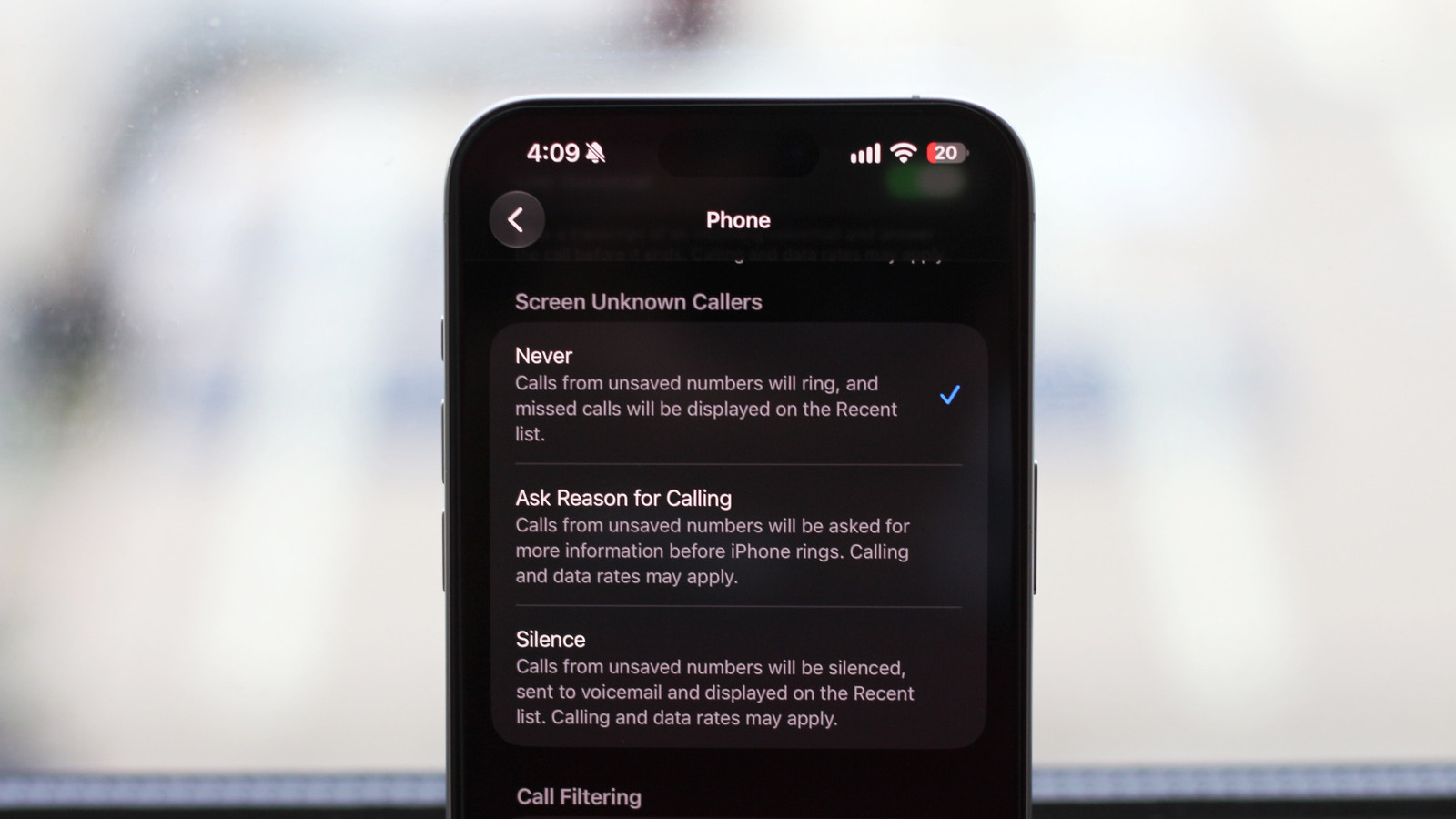
The fact that a major tech outlet is still publishing guides on how to silence spam calls on both iPhone and Android is itself the story. As Engadget reported, users can use built-in options to block and silence unwanted calls without paying. That guidance remains necessary because spam calls are not a solved problem on either platform. The persistence of this issue is a daily reminder to US consumers that owning a smartphone still comes with unwanted interruptions that the operating system does not fully eliminate.

For Apple and Google, this is an ongoing operational and reputational challenge. Spam calls are not a feature gap that can be fixed with a single update; they are a cat-and-mouse problem involving carriers, regulators and bad actors. The fact that users are directed to free, built-in tools - rather than paid third-party apps - suggests that both platforms have made progress on basic blocking. But the need for continued public education indicates the problem persists at scale. On the smartphone beat, that means one of the most tangible frustrations for US consumers remains an open front in the platform wars.

A Foldable Discount Arrives Just Before a New iPhone

Pricing pressure is the second thread. As The Verge reported, Samsung’s Galaxy Z Fold 8 is seeing hundreds of dollars off ahead of the iPhone Duo launch. The report frames the discount against the imminent arrival of Apple’s competing foldable, noting that the deal applies to both the passport-style Z Fold 8 and a slimmer, taller model. The timing is not incidental. A major discount on an existing flagship shortly before a new entrant arrives is a classic move to lock in buyers and clear inventory.

For US consumers, this is straightforwardly good news in the short term. A foldable that was previously priced at a premium is now more accessible. But it also reveals the strategic reality: Samsung is defending its foldable lead before Apple has even shipped its first model. The Verge’s framing - that iPhone users might not be tempted, but that the deal is significant - captures the tension. Apple’s brand loyalty is strong, yet price remains a powerful lever. If the iPhone Duo lands at a high price, Samsung’s discount could convert some undecided buyers. If it lands competitively, Samsung’s move looks more defensive. Either way, the foldable segment in the US is entering a phase where pricing, not just form factor, will determine who wins early adopters.

On-Device AI Takes a Step Toward Multimodal

The third story pushes in a different direction: artificial intelligence that runs locally on the phone. As SiliconANGLE reported, Google released EmbeddingGemma 2, an open multimodal embedding model small enough to run on a smartphone. The model expands on the first EmbeddingGemma, which handled only text when Google introduced it in September 2025. The new version puts images, audio and video into the same embedding space as text. That means an app built on the model could, in principle, search across modalities or group content by meaning without sending data to the cloud.

For US technology companies, this matters because on-device AI is becoming a battleground for privacy, latency and cost. A model that runs locally avoids uploading personal data, reduces reliance on network connectivity and can lower cloud inference costs for developers. For US consumers, the promise is more responsive features that work offline and keep more data on the device. The catch is that embedding models are not chatbots; they are infrastructure. Their impact will be felt indirectly, through better search, organization and recommendation features inside apps. That makes this a quieter but potentially more durable shift than a flashy virtual assistant update.

What Ties These Stories Together

At first glance, spam calls, a foldable discount and an embedding model have little in common. But they all reflect a market where the hardware is mature and the experience is the differentiator. Spam call blocking is a software and network problem. The foldable discount is a pricing and positioning problem. On-device AI is a platform and privacy problem. In each case, the value to the user comes from what the phone does after it is unboxed, not from the specifications on the box.

That has implications for US technology companies. Apple and Google control the operating systems, so they set the terms for spam blocking and on-device AI. Samsung, as a hardware maker, must compete on price and form factor while relying on Google’s software stack. The EmbeddingGemma 2 release shows Google pushing AI capabilities down to the device level, which could benefit Android makers broadly. But it also raises the bar for Apple, which has emphasized on-device processing for privacy. The competition is no longer about who has the best screen or camera; it is about who can deliver the most useful, least intrusive experience across the life of the device.

What to Watch

Three things will indicate how this plays out. First, whether Apple and Google make further progress on spam call mitigation, or whether users remain reliant on manual blocking and third-party apps. The Engadget guide suggests the basics work, but the problem persists. Second, how the iPhone Duo is priced relative to Samsung’s discounted Z Fold 8. The Verge’s report shows Samsung is already using price as a weapon. If Apple prices high, Samsung’s discount may matter more than brand loyalty. Third, how quickly developers adopt EmbeddingGemma 2 and similar on-device models. SiliconANGLE notes the model is small enough for a smartphone, but adoption depends on tooling, documentation and whether the features it enables are compelling enough for users to notice. For US consumers, the practical test is simple: fewer interruptions, better prices and smarter features that do not require a connection. The stories above suggest all three are in play, but none is settled.

More on this beat: Gadgets on TechManNews.

#Smartphones#Spam Calls#Foldables#On-Device AI#Samsung#Apple

Newsletter

Get Tech News in Your Inbox

The latest AI, gadgets, software and startup stories from TechManNews, delivered every morning - free.