AirPods Choices Now Hinge on Trade-Offs, Not Sound Alone

Photo: Engadget

Article

AirPods Choices Now Hinge on Trade-Offs, Not Sound Alone

Apple's headphone lineup shows that price, comfort and features now shape buying decisions as much as audio quality does.

SuryaNovember 22, 20264 min read

Apple's headphone lineup has become a study in deliberate compromise rather than a simple ladder of better and worse. Across three recent Engadget pieces, the same pattern holds: each product is defined less by how it sounds than by what the buyer must give up to get it. For US consumers, the practical question is no longer which Apple headphone sounds best, but which set of trade-offs fits a budget and a daily routine.

The Price of Premium

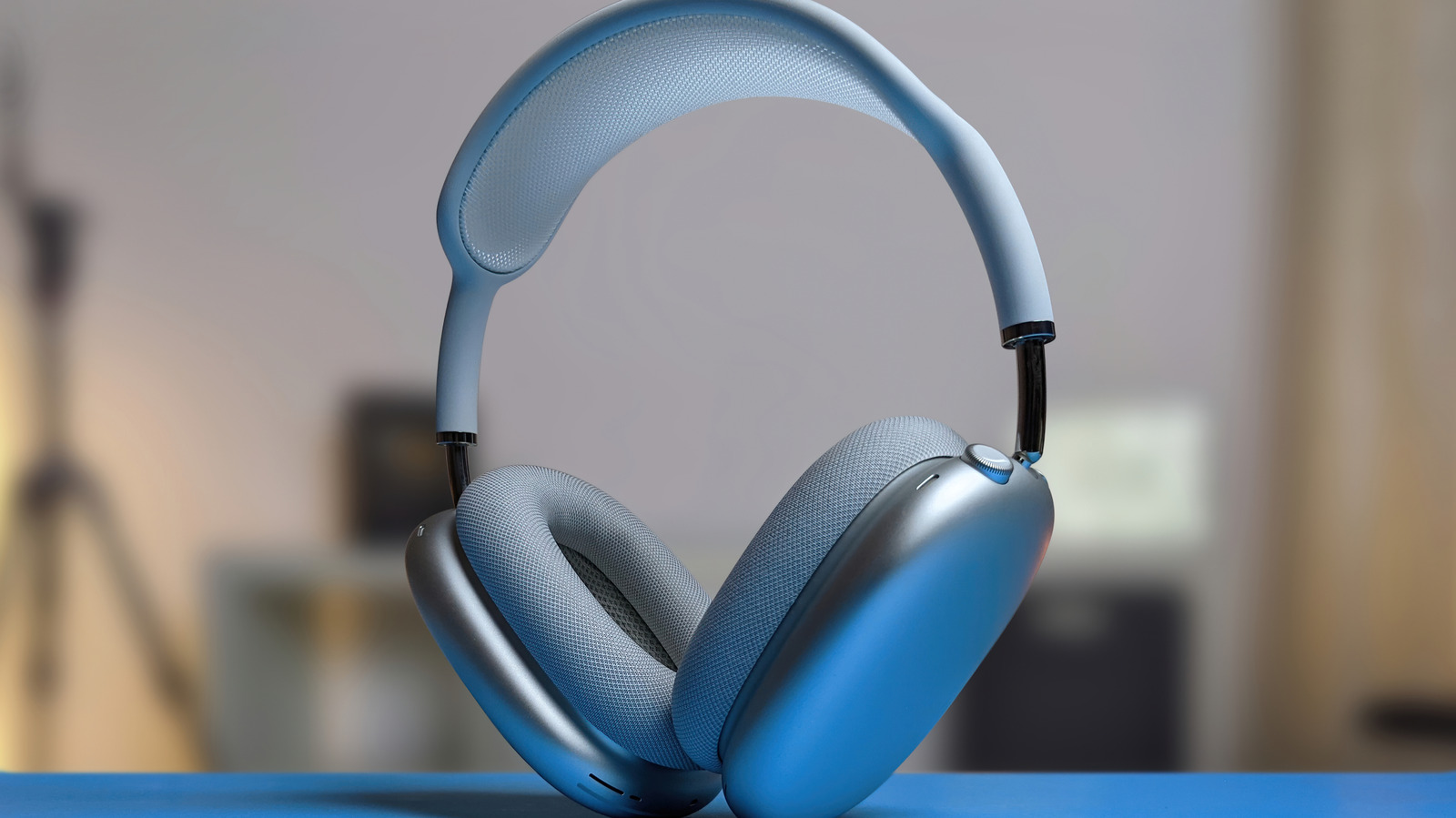
The AirPods Max illustrate the pattern most sharply. As Engadget reported, the headphones sound great, but they come with a lot of compromises for $549 headphones. That single framing captures the tension running through the lineup: a high price does not buy an absence of compromise, only a different assortment of them. Apple has positioned its over-ear model as a premium object, and the review material treats the price as a fact the buyer must constantly weigh against the experience. In a US market where premium headphones are a discretionary purchase, that framing matters. A buyer spending $549 is not simply purchasing sound; they are accepting whatever limitations Apple has built into that price point, and the coverage makes those limitations central rather than incidental.

The Case for Fidelity First

The second Engadget piece pushes in the opposite direction. It argues that comfort, price and aesthetics obviously impact what people put on their ears, but if sound fidelity is the priority, a particular kind of wireless earbud is the best choice. That is a useful counterweight to the premium framing. It acknowledges that most buyers weigh several factors at once, then carves out a group that does not. The implicit message for the US market is that the mainstream buyer and the fidelity-focused buyer are not the same customer, and Apple's lineup increasingly serves them with different products rather than one compromise-free option. The story does not claim that any single Apple product wins on every axis; it claims that priorities determine the right answer.

Features as the Dividing Line

The comparison of AirPods 5 and AirPods Pro 3 makes the trade-off structure explicit. As Engadget reported, the AirPods Pro 3 have more features than the cheaper AirPods 5, and the differences show up in appearance, charging, battery life and capabilities. This is the clearest statement of the pattern: Apple segments its earbuds by capability rather than by sound alone. A buyer who wants the lower price accepts fewer features; a buyer who wants more features pays more. The comparison frames the decision as a set of concrete, named differences rather than a vague sense of quality. For US consumers, that is both helpful and clarifying. It also means the cheaper model is not a stripped-down version of the same experience but a genuinely different product with its own set of omissions.

What This Means for US Buyers

The common thread is that Apple's wearable audio business now runs on managed differentiation. Each product occupies a distinct point defined by what it lacks, and the coverage of all three stories reflects that. The AirPods Max buyer accepts compromises at a high price. The fidelity-focused earbud buyer prioritizes sound over comfort, price and aesthetics. The AirPods 5 buyer trades features for cost. None of these is presented as the wrong choice; each is presented as a choice with known costs. That is a mature market posture, and it puts the burden on US consumers to decide which compromises they can live with. The stories do not suggest a single best product, and readers should be skeptical of any framing that claims otherwise.

The Limits of the Lineup

There is a tension worth naming. A lineup built on trade-offs can leave gaps. The premium over-ear model carries compromises despite its price, according to Engadget's assessment. The earbud recommendation for sound fidelity implies that other priorities may point elsewhere. And the feature gap between AirPods 5 and AirPods Pro 3 means the cheaper model is not merely less expensive but less capable in specific, enumerated ways. For US technology companies watching Apple, the lesson is that segmentation by omission is effective only when each omission is clearly communicated. The Engadget coverage does that work, but it also shows how much explanation a trade-off-driven lineup requires. Buyers who do not read carefully may assume price alone signals quality, and the material here suggests that assumption would be wrong.

What to Watch

The stories point to a few things worth tracking. First, whether the compromises attached to the AirPods Max at $549 remain acceptable to US buyers as the premium headphone category matures. Second, whether the fidelity-first argument for a particular kind of wireless earbud continues to hold as Apple refines its models, or whether feature differences begin to matter more to sound-focused buyers. Third, how the feature gap between AirPods 5 and AirPods Pro 3 evolves, since appearance, charging, battery life and capabilities are the dimensions Engadget identified as the key differences. Each of these is a trade-off question, and the coverage suggests that is exactly how US consumers should approach the category: not by asking which Apple headphone is best, but by asking which compromises they are willing to accept.

More on this beat: Gadgets on TechManNews.

#AirPods#Apple#wireless earbuds#headphones#consumer tech#wearables

Newsletter

Get Tech News in Your Inbox

The latest AI, gadgets, software and startup stories from TechManNews, delivered every morning - free.