Three recent stories on this beat - a glass-panel case trend, a Sony gaming monitor with a charging hook, and advice on sleep versus shutdown for mini PCs - look unrelated. Read together, they show a single pattern: the PC industry increasingly differentiates itself through visible, design-level choices rather than through functional gains, and those choices quietly shift trade-offs onto buyers. The pattern matters for US consumers and US technology companies because it changes what shoppers are actually evaluating when they compare machines, and what support burdens land on them afterward.
Visible Design as the Selling Point
Tempered glass has taken over the PC case market, as Engadget reported, and the outlet paired that observation with a warning: the trend has trade-offs that could make a glass-panel build a poor fit for some buyers. That framing is the pattern in miniature. A material spreads across a product category not because it improves performance but because it changes what the product communicates on a desk or in a photograph. The functional case for glass is thin; the presentational case is strong. When a component becomes a showpiece, the buying decision migrates from specifications to aesthetics, and the costs that come with the aesthetic - whatever they are for a given buyer - become easy to overlook at the point of sale.
The Hook as Product Identity
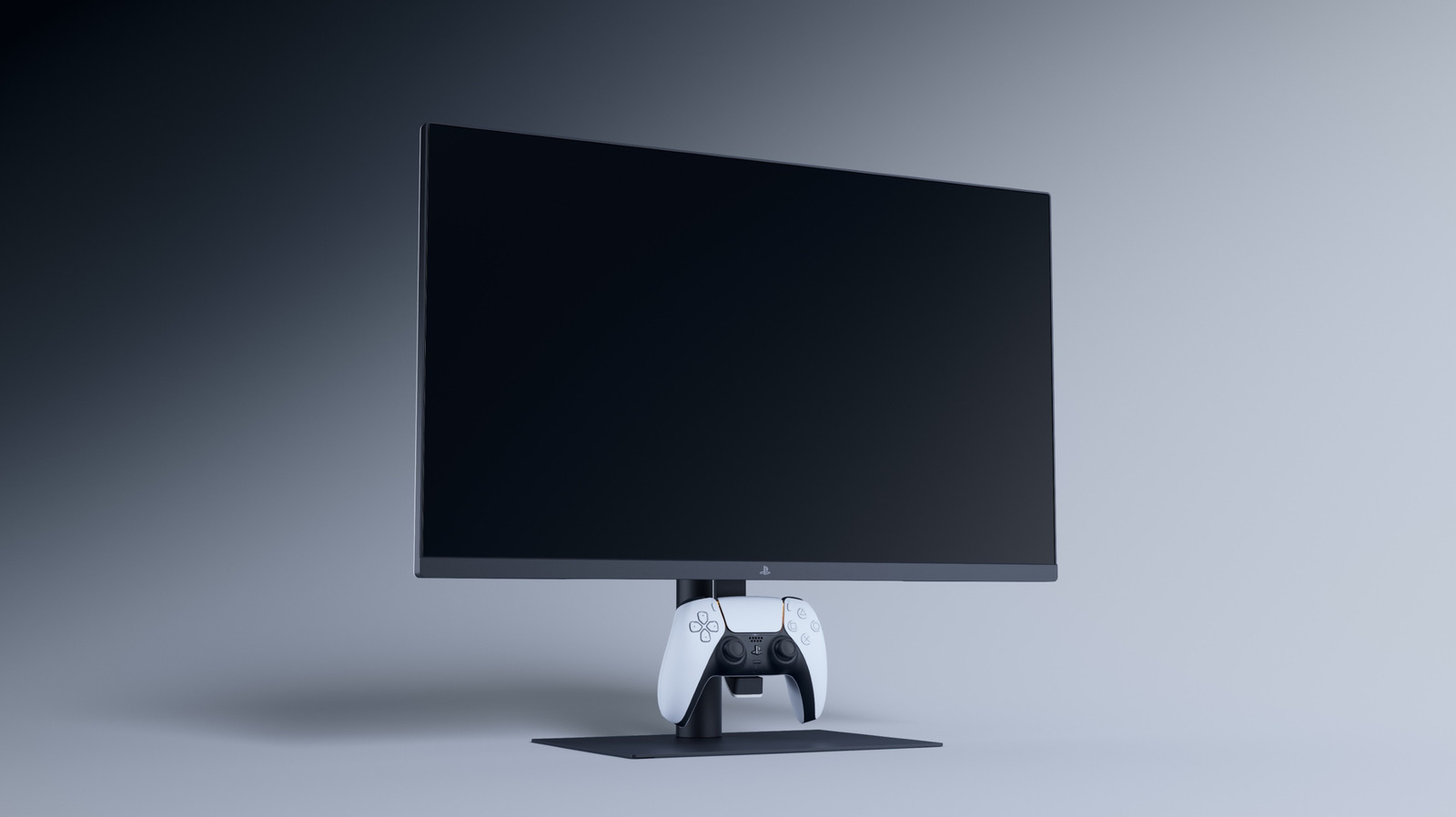
Sony's 27-inch gaming monitor, reviewed by Engadget, follows the same logic. The outlet's verdict was that it is a perfectly adequate display with one unique hook - a DualSense charging hook. Adequate is the operative word. In a crowded display market, adequacy is table stakes, so the differentiator becomes a feature that has little to do with image quality and everything to do with how the product feels in a setup. The monitor is not being sold on being the best display; it is being sold on being the display that does one memorable thing. That is a rational strategy for a manufacturer, and it is also a signal to buyers: the spec sheet may not be where the pitch lives.
The Settings Burden Nobody Markets
Then there is the least glamorous story of the three. Engadget's guidance on sleep versus shutdown for mini PCs, including what hibernation mode actually means, exists because power-state behavior on modern small-form-factor machines is not self-evident to owners. This is the counterweight to the first two stories. When differentiation comes from visible design and memorable hooks, the invisible parts of the experience - power management, thermal behavior, maintenance - are where confusion accumulates. A buyer who chose a case for its glass and a monitor for its hook still has to decide, after the fact, how the machine should sleep. That is not a failure of any single product. It is what happens when the industry's competitive energy is aimed at the visible layer.