The Cost of Staying in Apple and Google's Orbit
Article

The Cost of Staying in Apple and Google's Orbit

Four recent gadget stories share a theme: the hardware is settled, and the real money and friction now sit in the software, services and repair decisions wrapped around it.

ManishankarNovember 21, 20264 min read

Photo: Engadget

The recent gadget news is not really about gadgets. It is about what happens after the hardware is bought. Devices are increasingly durable, repairable and resellable, while the companies that make them compete on the software, services and support that surround the box. That shifts where consumers spend, where they get stuck, and where regulators and manufacturers now clash.

Hardware Has Become a Subscription to Someone Else's Ecosystem

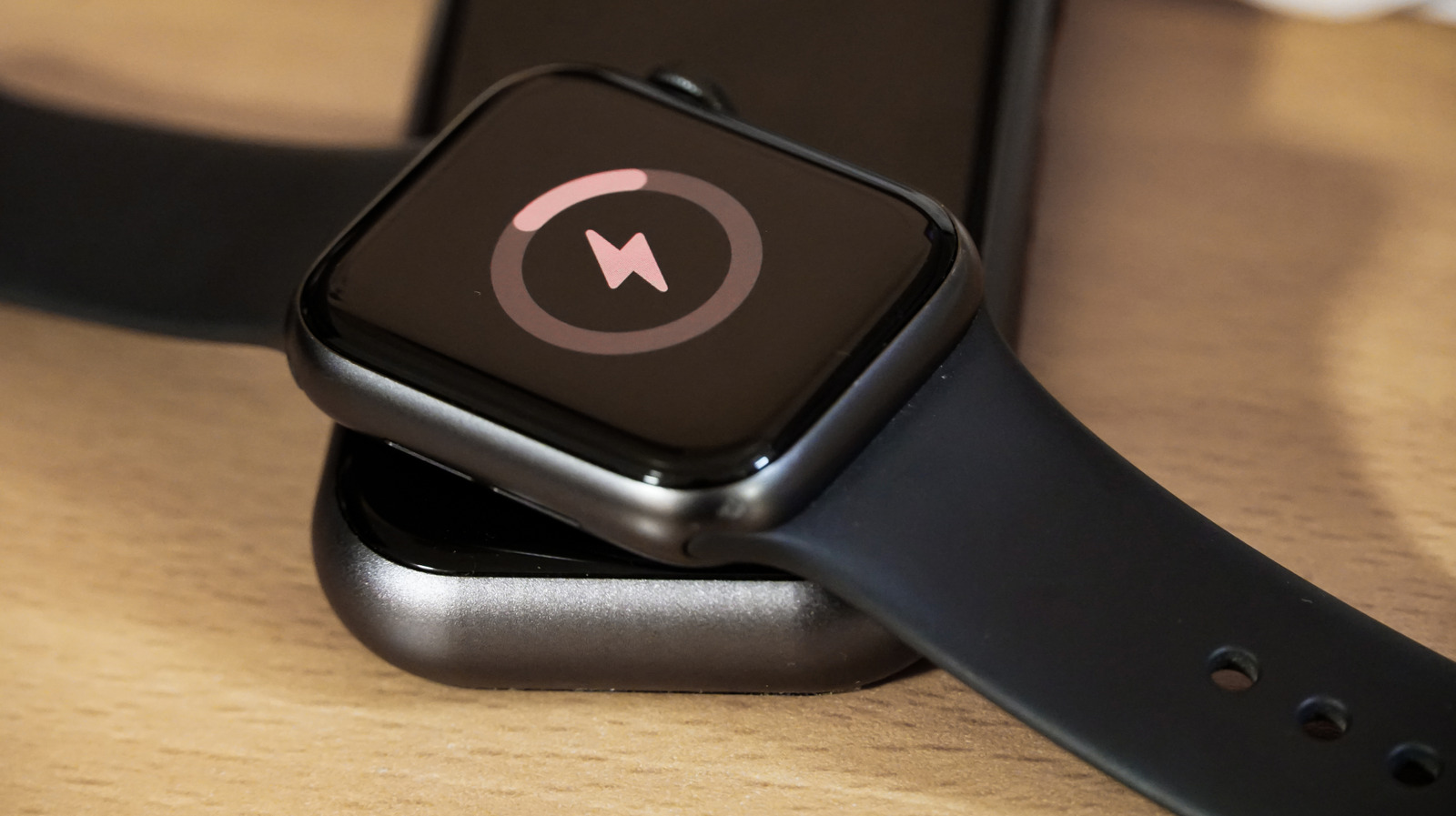
The clearest signal comes from Engadget's guidance on trading in a discontinued Apple Watch. The framing is telling: an old watch is not e-waste, it is an asset that can offset the next purchase. That only works because the device retains enough value to be worth reselling, and because Apple's ecosystem gives owners a reason to stay inside it rather than switch. The trade-in market effectively turns a one-time purchase into a recurring relationship, where the upgrade cycle is lubricated by recovering value from the last generation. For US consumers, this is mostly good news: the cost of upgrading falls, and the resale market gives older hardware a second life. For Apple, it reinforces lock-in without requiring a new feature. The watch is discontinued, but the customer is not.

The Remote Is the Product Now

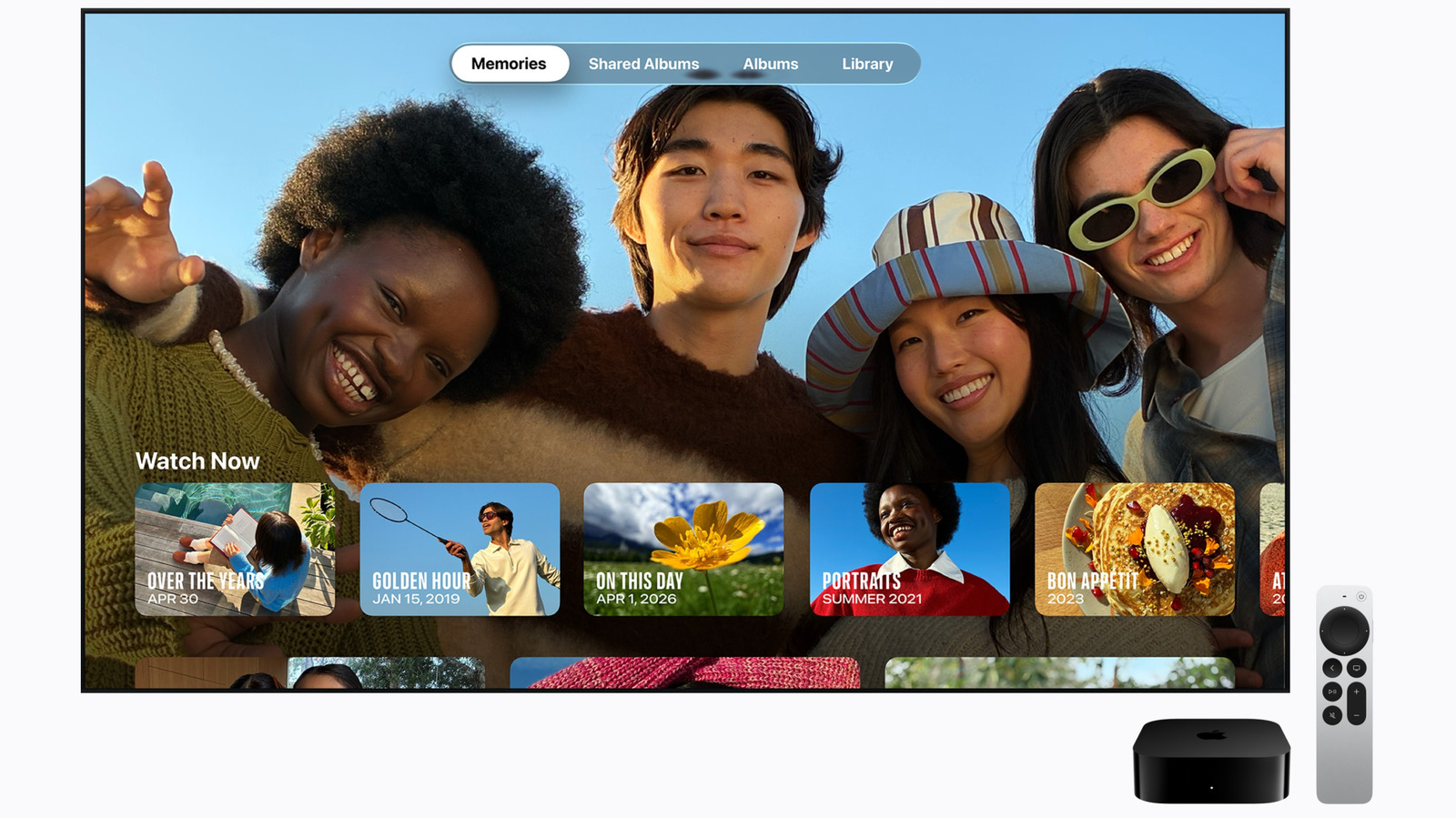
Engadget's piece on the latest Siri Remote and whether older Apple TVs support it makes the same point from a different angle. A remote is a small accessory, but it is the physical interface to everything the box does. When Apple ships a new remote with the fourth-generation Apple TV 4K, the interesting question is compatibility: does the new control work with the hardware people already own? That question exists because the value now lives in the software layer, and the accessory is the gateway to it. US buyers increasingly judge a set-top box by how long it stays supported and how well its interface keeps up, not by the spec sheet at purchase. A remote that works across generations extends the useful life of the box and keeps customers inside Apple's services. A remote that does not creates an upgrade pressure that has little to do with picture quality.

Cheap Versus Expensive Is Really a Question About Software

Engadget's comparison of cheap and expensive sound systems asks what spending more actually gets you. The answer, framed around cheap soundbars being a good upgrade for basic TV watching, is that the marginal dollar buys diminishing physical returns and increasingly buys processing, calibration and integration. That is the same pattern: the hardware is commoditised at the low end, and the premium sits in the intelligence layered on top. For US consumers, the practical consequence is that the cheapest option is often genuinely adequate, and the expensive option is justified by convenience and tuning rather than raw capability. For US audio companies, it means the defensible margin is in software and ecosystem fit, not in drivers and cabinets. The question of how much is worth it is really a question about how much of the experience you want handled for you.
When the Software Fails, the Recall Follows

The Waymo story is the sharpest illustration of where the risk has moved. Engadget reports that Waymo recalled robotaxis after they drove into closed freeway lanes, and that the recall followed the California DMV banning Waymo from operating on its state freeways. This is a software-defined product whose failure mode is a regulatory action, not a broken part. The recall is the mechanism by which a behaviour discovered in the field is corrected across a fleet, and the DMV action is the mechanism by which the state asserts control over where that behaviour is allowed to occur. For US technology companies, this is the template for any physical product with an autonomous or semi-autonomous software layer: the update is the product, and the regulator is a co-author of the operating envelope. For US consumers, it means trust in these services will be built less on marketing and more on visible, fast correction when something goes wrong.

What This Means for the US Market

Taken together, the four stories describe a market where the hardware purchase is the beginning of the relationship rather than the end. Trade-in values, accessory compatibility, calibration software and over-the-air corrections all determine what a device is worth over time. That favours incumbents with large installed bases, because they can extend the life of what customers already own and capture the upgrade when it comes. It also raises the stakes on support windows and compatibility decisions, which are now consumer-facing competitive choices rather than internal engineering details. And it gives regulators a clearer point of leverage: the software layer is where behaviour is defined, so it is where rules will be applied. The companies that treat post-purchase support as a product, rather than an afterthought, are the ones positioned to keep US buyers in their ecosystems across generations.

What to Watch

Watch how Apple handles Siri Remote compatibility with older Apple TV hardware, since that decision signals how long the company intends to keep existing boxes useful. Watch the resale and trade-in market for discontinued wearables, which will show whether older devices retain enough value to sustain upgrade cycles. Watch whether premium audio makers keep selling hardware or shift their pitch toward processing and tuning. And watch the Waymo recall and the California DMV restriction, because how quickly the software fix is deployed, and how the freeway ban is resolved, will set expectations for every US company putting autonomous features into physical products.

More on this beat: Gadgets on TechManNews.

#Apple#consumer electronics#trade-in#autonomous vehicles#software#regulation

Newsletter

Get Tech News in Your Inbox

The latest AI, gadgets, software and startup stories from TechManNews, delivered every morning - free.