Three stories on the apps beat this week share one thread: the phone app is becoming more capable and less legible at the same time. Google is pushing Gemini further into autonomous, multi-step work, Netflix's chief executive is conceding his app can hide the very shows subscribers want, and cheap metal-detector apps promise a capability their hardware can only partly deliver. Each case is the same trade: as apps take on more of the work, it becomes harder for the person holding the phone to see what is happening, why, or how well it actually works. For US consumers and the companies serving them, that gap between capability and legibility is becoming the defining product problem of the app economy.
Capability Without Visibility
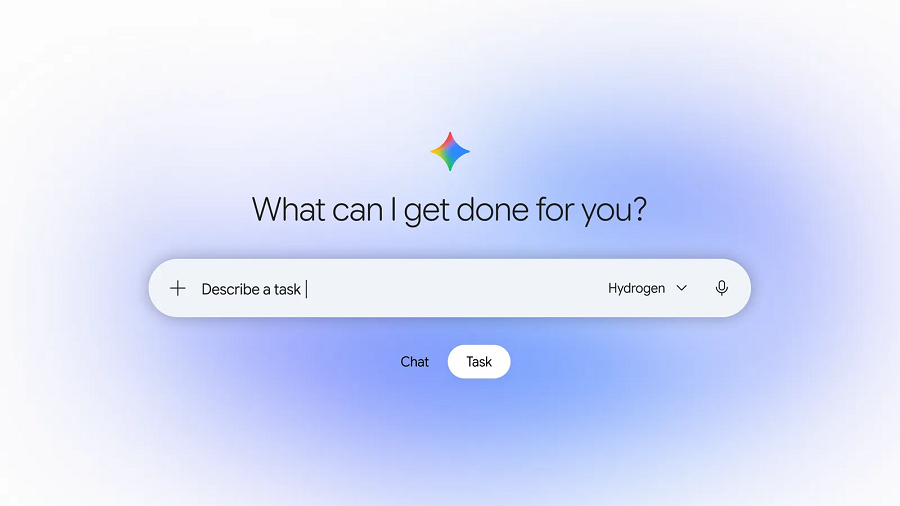
Start with Google. As SiliconANGLE reported, Google is releasing a new version of its Gemini assistant that is better at performing multi-step tasks, detailed by Josh Woodward, the vice president responsible for the Gemini app, in a Thursday blog post. The assistant now splits into two interface tabs: Chat, which generates responses, and a Task mode built for agentic, multi-step work, which the update also extends with e-commerce features. That is a meaningful shift in what a phone app does. Chat answers questions; Task mode acts. And the more an app acts on a user's behalf, the more the user needs to understand what it did, in what order, and on what basis. The interface is organized around modes, not around a running account of the work. Nothing in the material suggests Google is neglecting transparency, but the architecture tells the story: the product's center of gravity has moved from conversation to execution, and execution is harder to inspect.
The Recommendation Problem Netflix Named
Netflix illustrates the same tension from the other direction. As Ars Technica reported, CEO Ted Sarandos has acknowledged gaps in the company's ability to make hit shows findable, discussing the app possibly burying content users want to watch under content they do not. This is not a failure of capability. Netflix's recommendation apparatus is among the most developed in consumer software. It is a failure of legibility: subscribers cannot see why the app surfaces what it surfaces, and the company itself concedes the result can be wrong. The app is doing sophisticated work on the user's behalf, and the user's only interface with that work is a screen of tiles. When the algorithm guesses wrong, there is no obvious lever to correct it, because the reasoning was never exposed in the first place. Every streaming service in the US market shares this design, which is why a single admission from one chief executive reads as an industry condition rather than a Netflix quirk.
Detection Apps and the Limits of the Phone
Engadget's look at phone-based metal-detector apps adds a hardware dimension. The phone can be turned into something of a metal detector, but users should not expect the range of a dedicated machine, the outlet reported. Here the gap is between what an app appears to promise and what the device can physically deliver. Sensor-driven utility apps are a durable category on US app stores, and they are frequently marketed on capability rather than on limits. That pattern matters because it trains users to treat app claims as roughly accurate, which makes the quieter failures of sophisticated apps harder to spot. A metal-detector app that overstates its range and a recommendation system that buries a good show are different products with the same effect: the user cannot easily tell how well the tool is performing.