The smartphone industry's newest hardware ideas are running into a simpler problem than reviewers usually admit: usefulness. A second display on the back of a flagship, a home hub that depends entirely on a phone, and a handset that shuts itself down when its battery or hardware is overwhelmed all point at the same gap between what phones can now do and what they reliably do for their owners. That gap, not the spec sheet, is where the US market's next buying decisions will be made.
The Second Screen Test
The most explicit test of this comes from The Verge's review of the Xiaomi 18 Pro. Xiaomi introduced a second screen on its flagship phones with last year's 17 Pros, but did not release those devices outside China. That makes the new 18 Pro and Pro Max the first opportunity the reviewer has had to judge whether a screen on the back of a phone is any more useful now than it was before. The framing matters: the question is not whether Xiaomi can build it, but whether the feature earns its place. A rear display is a textbook hardware addition, visible in marketing, easy to demonstrate, and hard to justify in daily use if the same information is already on the screen facing the user. The Verge's verdict, stated in its headline, is that two screens are not better than one. For US readers, the practical significance is indirect but real: Xiaomi's flagships are not sold in the US market, so the lesson arrives secondhand, as a preview of a design direction that could migrate into devices they can actually buy. It also sets a bar. If the most prominent attempt at a rear screen cannot make the case, US buyers have reason to be skeptical of similar features when they appear on phones sold at home.
Dependence Is the Real Design Choice
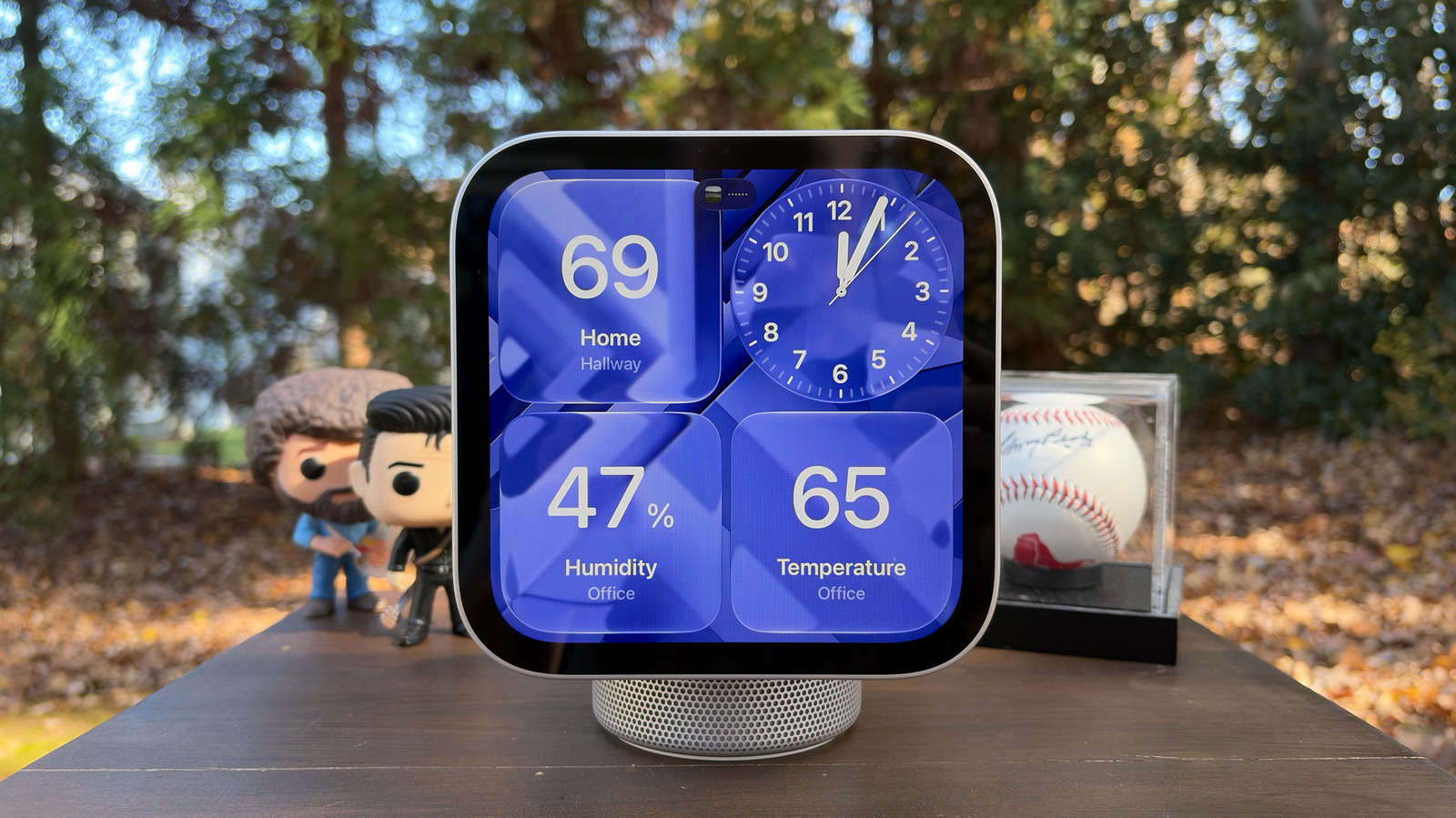
The Apple HomeView story from Engadget sits at the opposite end of the spectrum. Setting up a HomeView is described as ridiculously easy thanks to the iPhone, and the guide covers both initial setup and adding other users. Read as a product review, it is a small compliment. Read as an analysis of the smartphone market, it is a description of a dependency. Apple's home device is only simple because the phone in the owner's pocket does the work of configuring it and, in the guide's account, managing who else can use it. That is good for iPhone owners and a barrier for everyone else. It is also a reminder that the most consequential smartphone features in 2026 are often not features of the phone at all, but the ways the phone becomes the front door to everything else a company sells. For US consumers, this is familiar territory: the phone is the account, the setup wizard, and the permissions console for a widening set of devices. The ease Engadget describes is genuine, and so is the lock-in it implies.
When the Phone Is the Failure Point
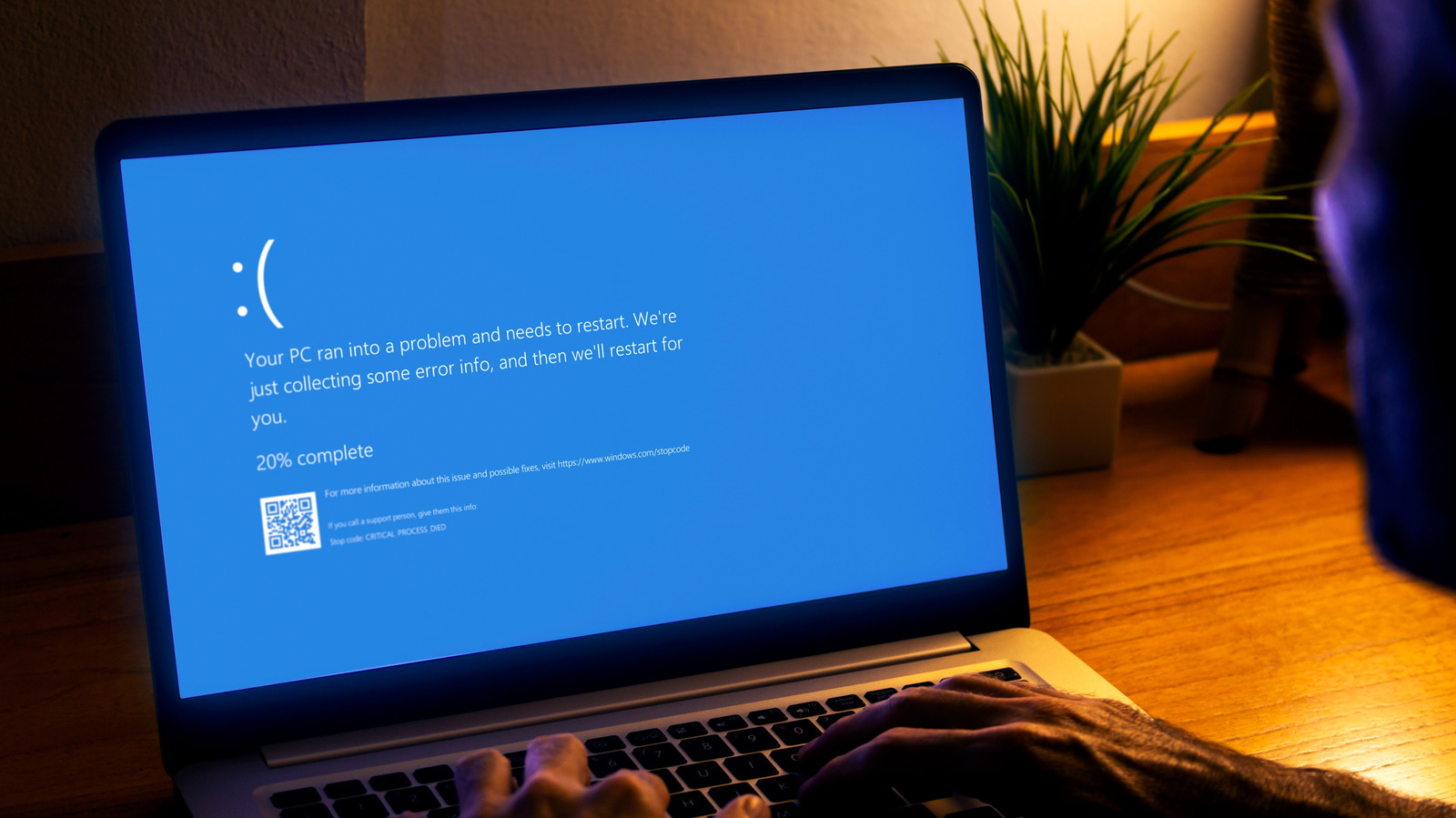
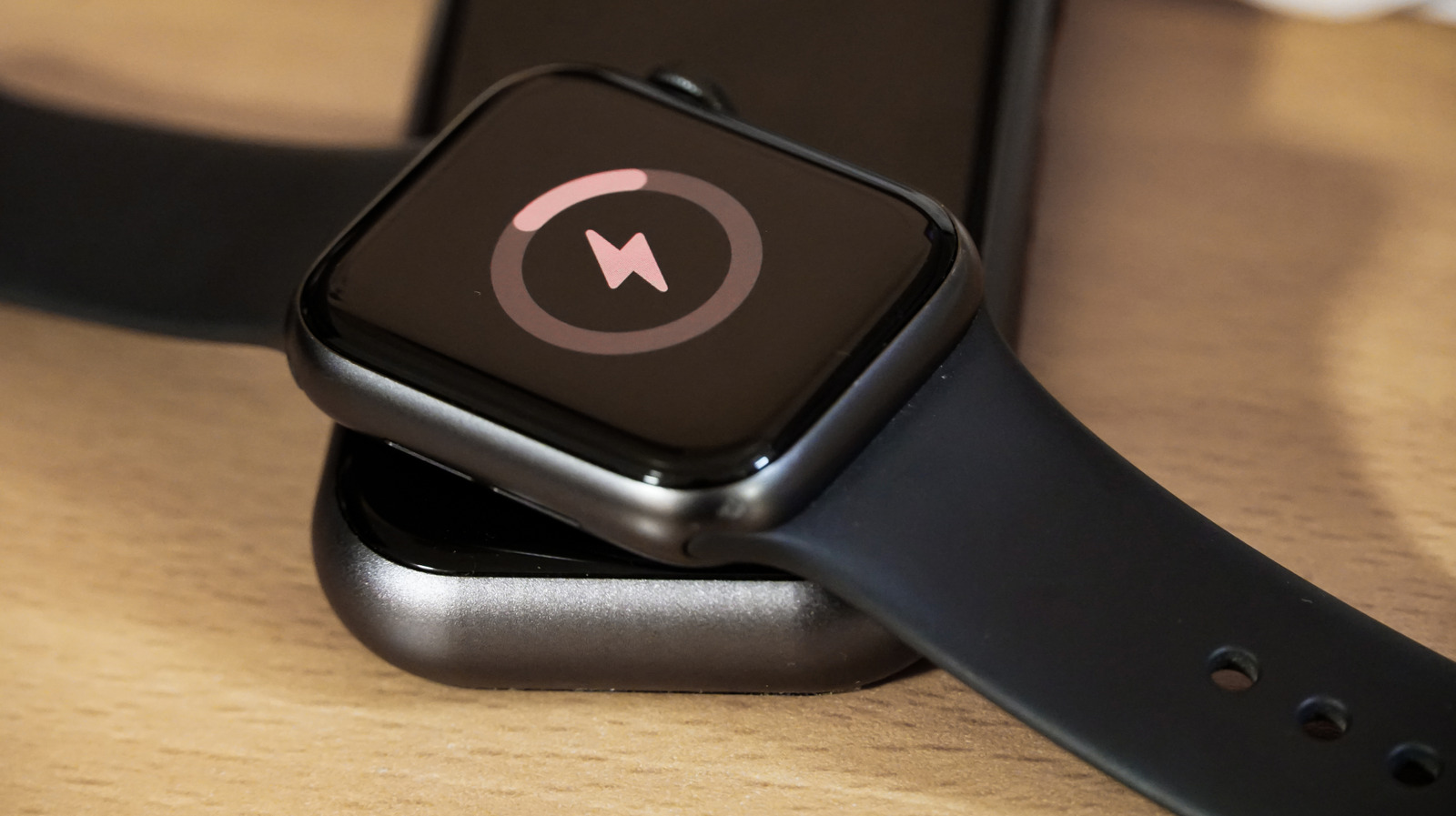
The third story is the least glamorous and the most revealing. Engadget's explainer on iPhones that randomly turn off notes that if the battery cannot keep up with what the user is doing, or the hardware is overwhelmed, the phone may shut down to protect itself. That is sensible engineering, and it is also the exact moment when every dependency described above becomes a liability. A phone that powers itself off is not just a phone that stopped working. If it is the device that sets up the home hub, manages other users, and serves as the account anchor for a household's devices, its failure propagates. The industry's enthusiasm for adding capability to the phone has not been matched by an equal enthusiasm for making that capability dependable under stress. The result is a market where the headline features are impressive and the baseline experience is fragile.