The recent run of wearables news points to a single shift: the fight is no longer about whether a device can do something, but about who controls the terms on which it does. Apple's AirPods troubleshooting advice, Nacon's screen-equipped PS5 controller, and California's vetoed smart glasses bill all describe the same contest over configuration, repair, and permission. For US companies and consumers, that contest now matters more than any single product launch.
The User as Troubleshooter
Engadget's guidance on what to do when only one AirPod stops working is, on its face, a service piece. Read against the other two stories, it is evidence of how much of the wearables experience has been outsourced to the user. A product sold as seamless turns out to require a sequence of diagnostic steps when it partially fails, and the owner is expected to run them.
The pattern is familiar across the category. Devices that sit on the body, draw from small batteries, and pair continuously with a phone have many more failure points than a wired accessory did, and far fewer of them are visible. When one earbud goes silent, there is no obvious cause and no obvious fix. The burden lands on the person wearing it.
That has a commercial consequence in the US market, where wearables are sold on the promise of convenience. Every troubleshooting step a customer performs is time the manufacturer did not spend on reliability, and it accumulates into a reputational cost. It also shapes how consumers judge the next purchase: a buyer who has spent an evening coaxing one earbud back to life is a buyer who may look at a different brand next time.
Control Moves onto the Device
Nacon's Revolution 5 Unlimited points in the opposite direction. The Verge reported that the company is claiming the world's first officially licensed PlayStation 5 controller with a built-in screen for adjusting settings such as joystick sensitivity or remapping buttons directly on the gamepad. The same screen can mix audio from multiple sources, so a user wearing headphones can blend sound from a phone and a console.
Two things are happening here. First, configuration is being pulled off the phone or console and onto the hardware itself. That is a small but real reallocation of control: the settings live where the hands are, not in a companion app that the platform owner governs. Second, the audio mixing feature turns a controller into a switching point between two sources, which is a wearables-adjacent role, because the person using it is almost certainly wearing something on their head to hear the result.
For US consumers, this is a modest but genuine benefit, since it reduces dependence on software ecosystems that may not support every accessory equally. For US platform holders, it is a reminder that officially licensed accessories can carry functionality the platform did not design, and that the license itself is the lever that determines how far that can go.
Permission Is the New Feature
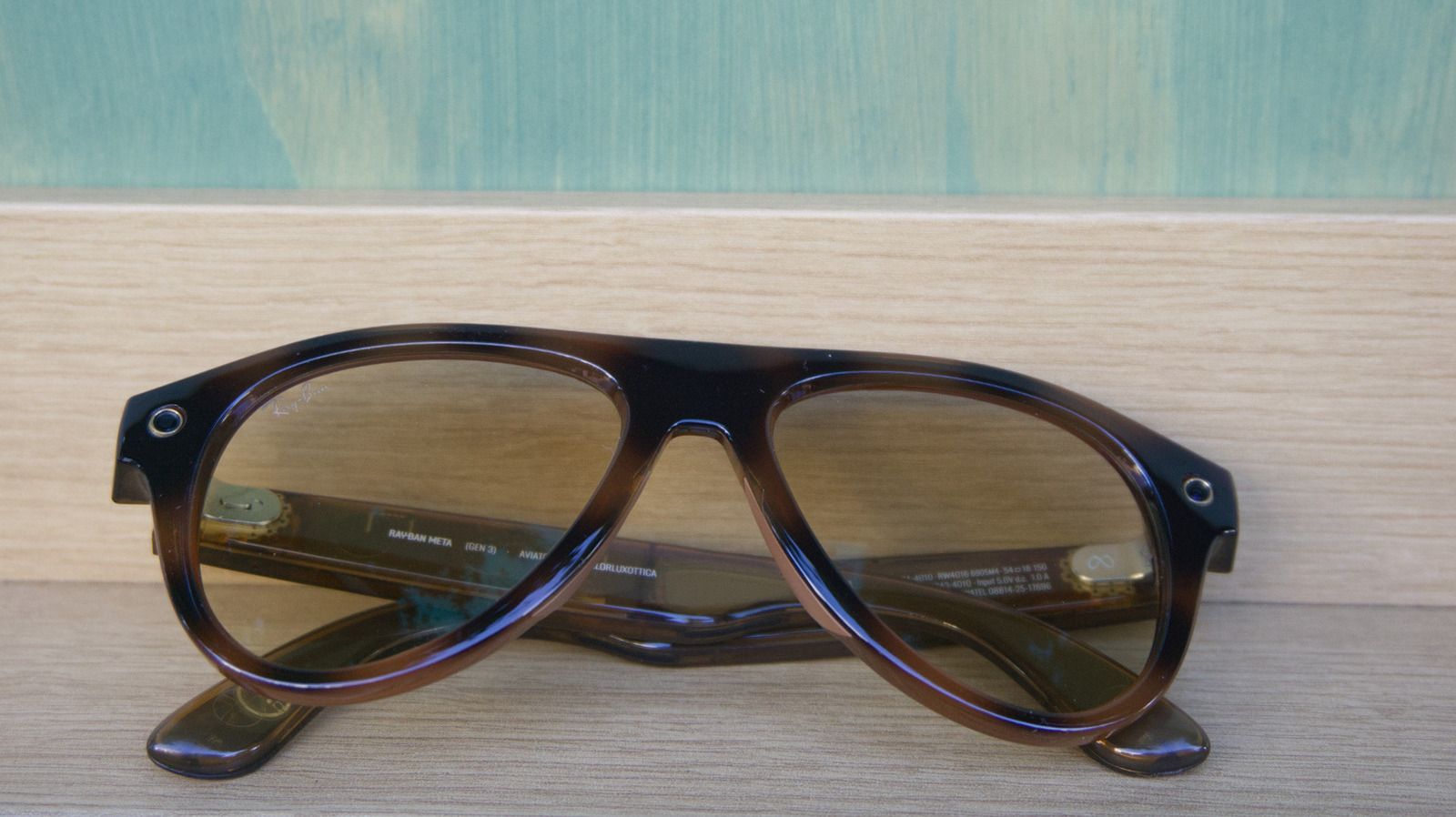
Newsom's veto of the smart glasses privacy bill, as Engadget reported, was grounded in the view that the bill's language was overbroad. The veto is the clearest signal in the trio that the binding constraint on wearables is not engineering but law.
Smart glasses sit at the intersection of two sensitive things: a camera pointed wherever the wearer looks, and a microphone that may be always available. A bill that is too broadly drafted can sweep in ordinary products; a bill that is too narrow leaves the public exposed. The veto does not resolve that tension. It defers it.
The effect on US technology companies is twofold. Firms selling camera-equipped eyewear in the United States continue to operate without a settled state-level framework of the kind the vetoed bill would have created, which lowers near-term compliance costs but preserves regulatory uncertainty. Firms weighing whether to ship such products in the US must price in the possibility that a future legislature writes a narrower bill that passes.