Microsoft is trying to move the US laptop market upmarket with a robot-tested, high-priced machine, while Apple's next consumer push is reportedly still tied to a South Korean manufacturing partner. The pattern across the day's gadget stories is not a flood of innovation but a divergence: Microsoft is investing heavily in premium hardware and the unglamorous testing behind it, Apple is outsourcing smart-home ambitions to LG, and the only genuinely cheap devices on offer come from an increasingly narrow set of phones.
The Robot Lab Behind a Premium Laptop
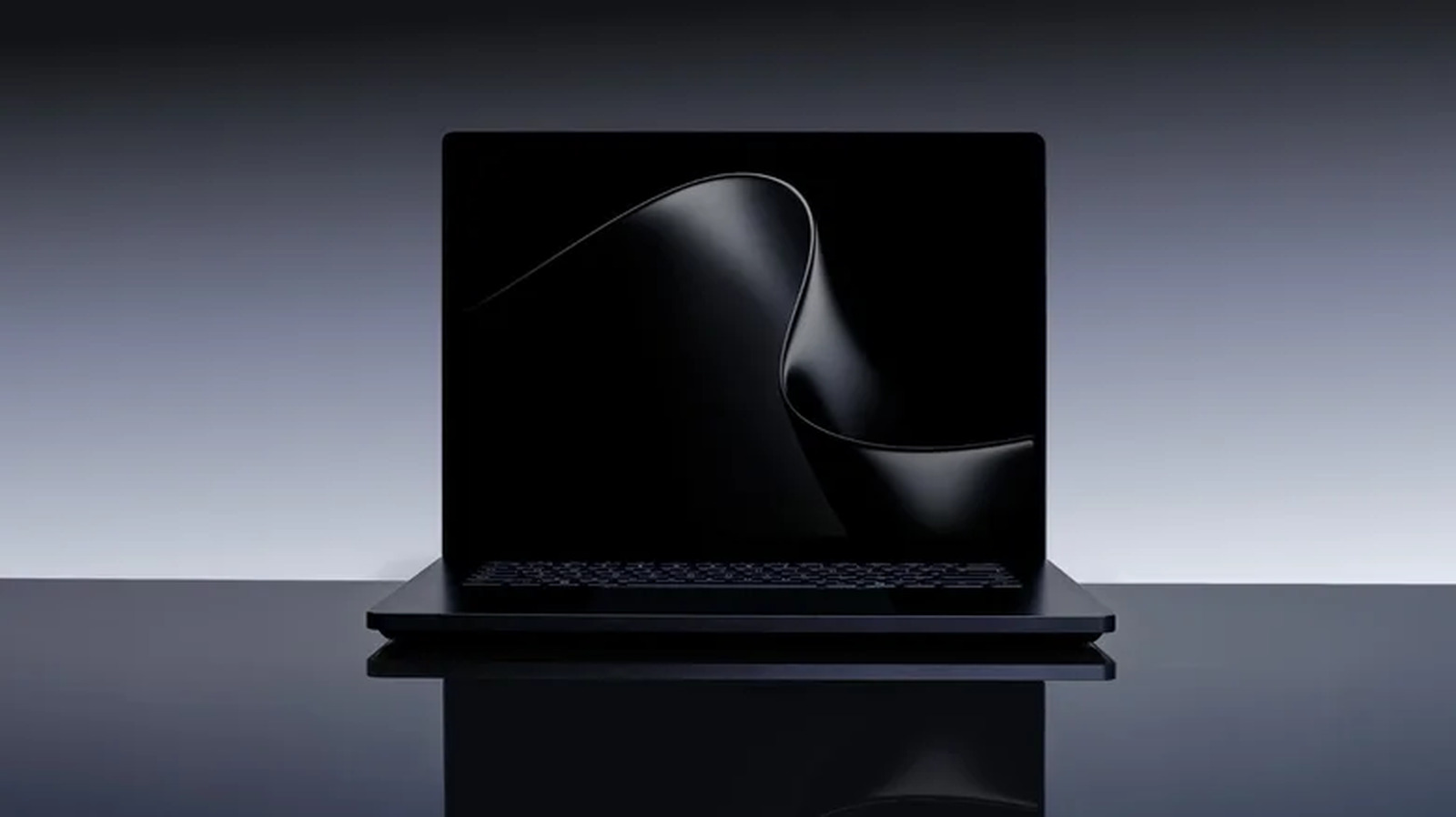
The Verge's look inside Microsoft's Redmond, Washington campus describes a windowless, warehouse-like lab where robots press Surface buttons thousands of times, giant antennas pelt devices with radio waves, and every product is put through its paces before release. That is the manufacturing discipline behind the Surface Laptop Ultra, the RTX Spark-equipped machine that Microsoft and Nvidia have opened for pre-order, as Tom's Hardware reported. Microsoft is not merely selling a laptop; it is selling the claim that only a company that owns a lab like this can build a MacBook Pro competitor. For US consumers, that claim is priced accordingly. The labor is done by robots and internal test teams rather than outsourced validation, which supports a premium positioning rather than a budget one.
Hardware Ambition, Software Lock-In
The Surface Laptop Ultra is not just a spec sheet. Tom's Hardware notes that Microsoft revealed new Windows 11 features alongside the hardware, a new magnetic USB Type-C port, and that the system will work with "hundreds" of video games. Each of those details is a lock-in mechanism rather than a pure product improvement. The magnetic port is a proprietary interface on a standard connector, and the promise of "hundreds" of games is a carefully bounded claim rather than a blanket compatibility guarantee. For US buyers, the practical question is not whether the laptop is fast, but whether the accessories, the port, and the software features will travel with them to their next machine. Microsoft is betting that a combination of testing rigor and software integration can justify a price above the Windows mainstream, in a market where the MacBook Pro is the reference point.
Apple's Smart Home Relies on LG
On the same day, The Verge reported on new leaks providing a first look at Apple and LG's smart home devices, following a Bloomberg report that Apple is collaborating with LG on a collection of smart home devices and accessories. A reliable leaker known as "pdfu" on X revealed more details, including a thermostat with a "Far Sight Display" that sounds similar to what Nest offers. The detail that matters is not the thermostat's display. It is that Apple, the most valuable US consumer technology company, is reportedly leaning on LG for an entire product category. Apple's smart home story has for years been a software story in search of hardware. If the leak is accurate, the hardware that fills that gap will carry an LG label as much as an Apple one. US consumers should expect the usual Apple pricing without the usual Apple control over the entire stack, and US competitors in the smart home space should expect a new entrant whose differentiation rests on integration rather than invention.