The stories logged on this desk point to one pattern: the software layer that US consumers and businesses depend on is being rebuilt from underneath by people working outside the established vendor structure. That rebuilding takes two forms, and they arrive from opposite directions. One is a well-resourced solo developer using AI coding tools to clone major creative software and give it away. The other is a Telegram channel in the West Bank doing the navigational work that mapping apps from the largest US platforms have not done. In both cases the incumbents are no longer the only source of working software, and the substitute is often free, community-built, or both.
Two Directions of Substitution
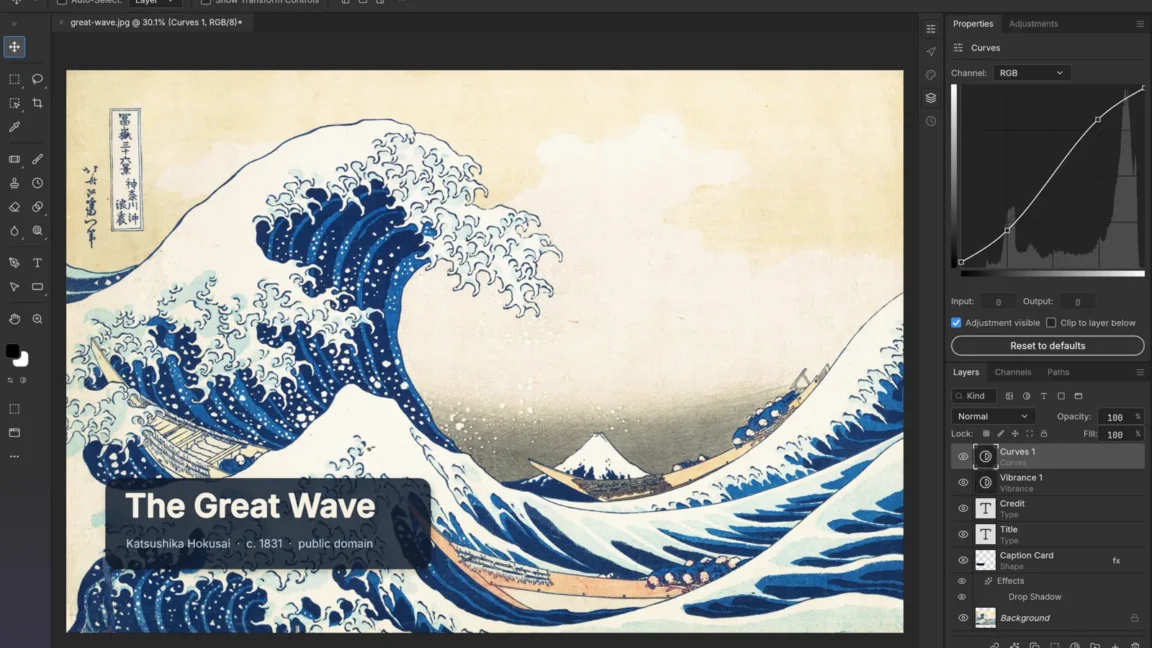
The most-discussed example is the solo developer who, per Tom's Hardware, rebuilt multiple Adobe creative tools in Rust with the help of Anthropic's Claude and released the result free and open-source. Ars Technica covered the same effort and was blunt about its limits: the alternatives are ambitious, free, and nowhere near finished. That combination matters more than the novelty of a single person shipping a suite. It establishes that the cost of producing a credible clone has fallen far enough that one developer plus an AI assistant can attempt what previously required a funded team. The product may not be ready for professional work today, but the directional signal is unambiguous.
The Complaints Were Always There
Adobe's exposure here is not new. The subscription model, the pricing, and the pace of feature delivery have drawn criticism for years. What has changed is the availability of an escape route. As long as switching meant losing file compatibility or retraining on unfamiliar tools, complaints had nowhere to go. Once an open-source alternative exists even in rough form, the complaint acquires a destination. Ars Technica's framing, that the software is nowhere near finished, is the honest caveat, but it is also the standard state of early open-source projects that later become viable. For US software companies selling creative and productivity tools, the relevant risk is not that this particular project replaces their revenue next quarter. It is that the credible threat of replacement weakens their pricing power.
The Hardware Side Is Doing the Same Thing
The Verge's report on Googlebooks is a smaller but structurally similar case. Physical navigation buttons are returning, and the outlet notes that one element of the change is lifted from Android phones circa 2014. The piece also corrects a persistent misconception: the Quick Insert and Google logo keys are not new, having debuted a couple of years ago on some Chromebooks. The new element is on the F1, F2 and neighboring keys. This is not an AI story, and it should not be forced into one. What it shares with the others is a vendor reaching backward for an older, simpler interaction rather than forward to a novel one. When the reference point is a phone from 2014, the industry's own supply of genuinely new interface ideas is being questioned by its own product decisions.