The physical constraint on AI hardware has stopped being silicon. It is now permission. Micro Center's ID-and-pledge regime for RTX 5090 buyers, Amazon's retreat from data center NDAs, and the collapse of Kevin O'Leary's Utah campus are three faces of one problem: the people and places absorbing AI hardware buildout have started extracting terms, and the industry is discovering it cannot simply add capacity.
The 5090 Check That Tracks Nothing
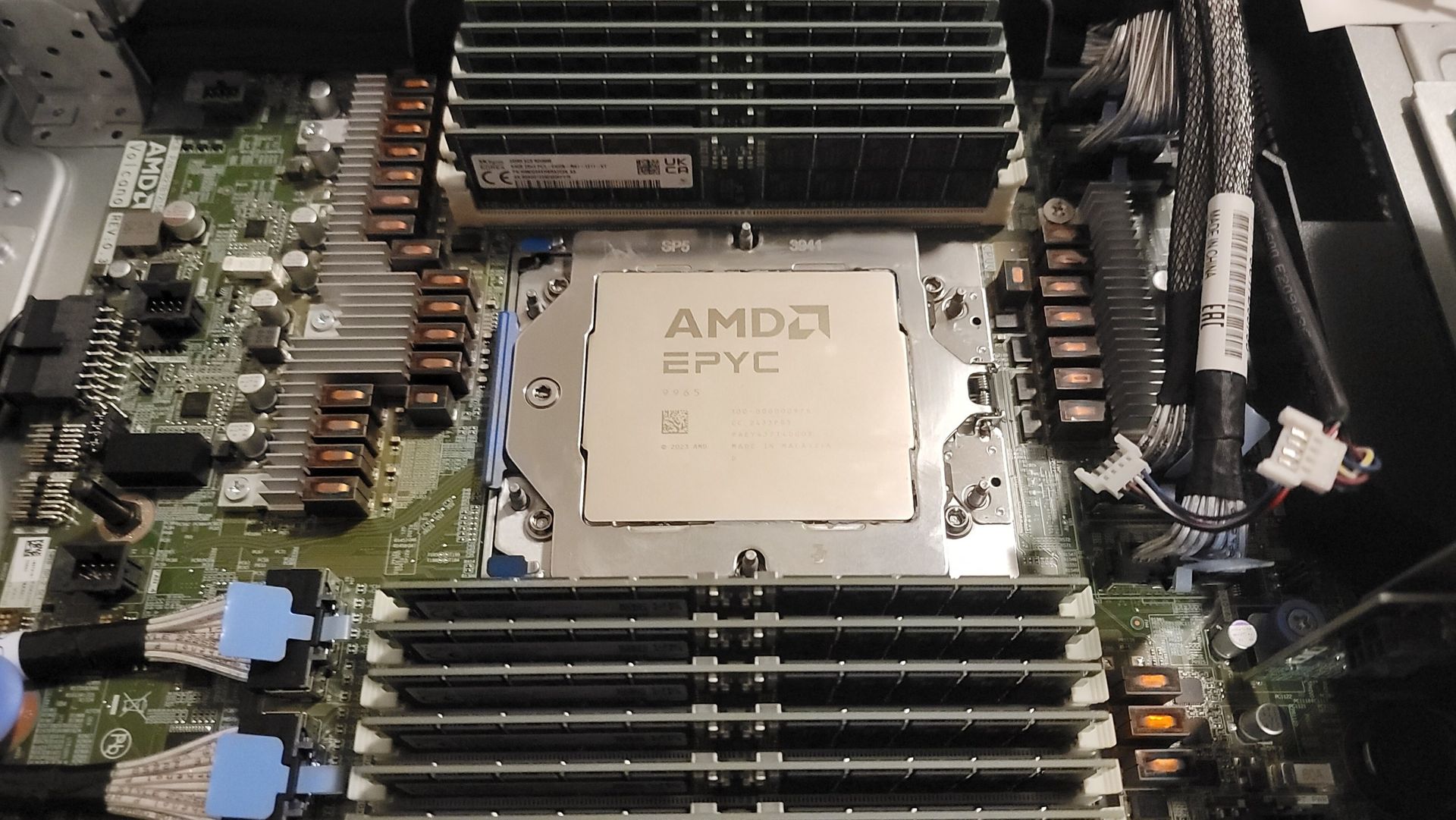
As Tom's Hardware reported, Micro Center now requires photo ID and a signed no-export pledge from customers buying the RTX 5090 gaming GPU. Buyers input personal data before being approved to purchase. That is a striking imposition on a consumer product - the kind of paperwork once reserved for controlled goods or bulk industrial orders, now attached to a graphics card on a retail shelf.
The critical detail is what the outlet also notes: it remains unclear how Micro Center can use this information to track illegally exported GPUs. The pledge is a paper trail, not a tracking system. A card bought in Ohio under a real name can be moved through any number of hands. Nothing in the form follows the hardware. So the US consumer pays for the check in time, privacy, and friction while the stated goal - keeping high-end GPUs out of unauthorized export channels - is not obviously advanced.
That is the pattern in miniature. Controls are being layered onto AI hardware at the point of retail, but the instruments are administrative rather than technical. Compliance becomes a form the customer signs, not a property of the product.
The Physical Layer Demands a Hearing
Meanwhile, at the layer where GPUs actually run, the terms are being negotiated by counties rather than carriers. Amazon says it is no longer using NDAs for data centers, as Wired reported. The company announced it has stopped using secret agreements with county officials, and it acknowledges that community backlash is leading to data center moratoriums across the country.
That acknowledgment matters more than the policy change. A company does not abandon a secrecy practice that worked unless it has concluded the practice has become a liability. NDAs with county officials were a tool for accelerating approvals quietly. Once moratoriums start appearing, quiet stops being an advantage and starts being the story. Amazon is reading the same signal the rest of the sector should: the permitting layer is now a live political environment, and it can say no.
For US technology companies, this converts a procurement question into a community-relations question. For US consumers, it converts data centers from invisible infrastructure into neighbors with negotiating positions - over power, land, water, tax treatment, and noise.
O'Leary's Utah Campus Shows the Ceiling
The Verge's months-long investigation into Kevin O'Leary's Utah data center plans, discussed on the outlet's podcast with features writer Josh Dzieza, describes a proposal of extraordinary scale: a 40,000-acre AI campus with nine gigawatts of power, which the outlet describes as more than double the average power usage of the relevant comparison. That is not a building. It is a land-use event, and it arrives on a specific landscape with specific residents.
The debacle framing is the point. The largest proposed projects are precisely the ones that cannot be approved administratively. They require the consent of people who live there, and those people can organize, litigate, and vote. The moratoriums Amazon now cites are the general form of what happened in Utah in particular.