The Thread
A drone that may or may not dodge an FCC ban, a camera that is openly sold on mainstream e-commerce sites despite being banned, and a company that quietly ships replacement parts for a product the government has restricted - these stories from the past two days point to a single pattern: the line between legal and illegal technology in the US is becoming porous, and both consumers and manufacturers are learning to live on both sides of it.
The old model was clear: if the government banned a device, it disappeared from store shelves. Today, as The Verge reported, a banned DJI camera is “cheap and easy” to buy on Temu, AliExpress, eBay, and Mercari. The enforcement apparatus has not caught up with the reality of cross-border e-commerce, and that gap is reshaping how Americans buy technology.
The FCC’s Drone Ban and the HoverAir Workaround
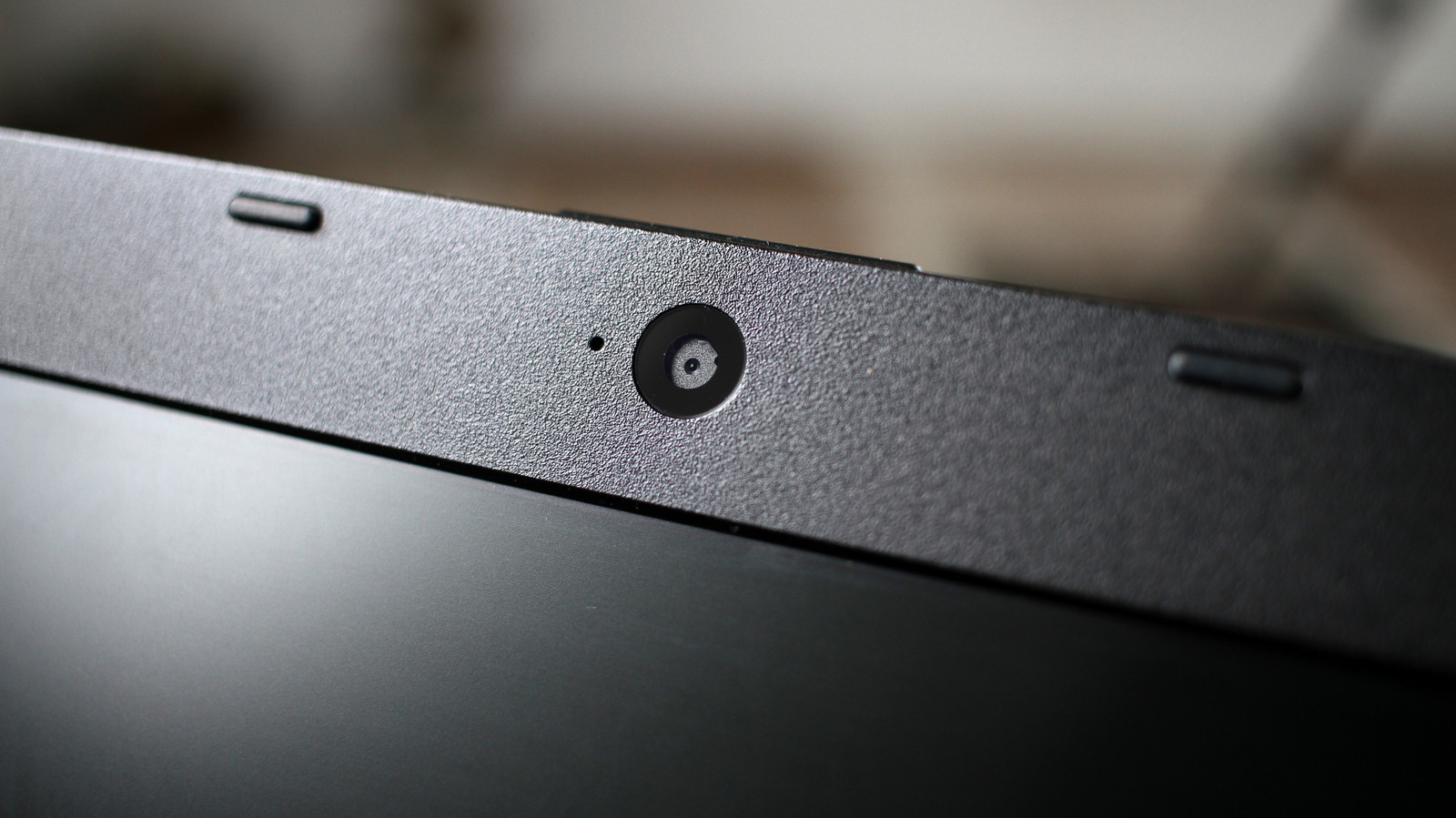
The most direct example comes from HoverAir, a brand that The Verge says is known for gimmicks - folding flat, landing on water, charging in a carrying case. Its latest trick, according to the same report, is attempting to “sneak a drone past the FCC” by giving a camera wings.
The background: in December 2025, the US government banned future foreign-made drones from operating in American airspace. The ban, as described by The Verge, is sweeping. But HoverAir’s approach suggests that manufacturers are now designing around the letter of the rule rather than the spirit. If the product is legally classified as a camera, not a drone, does the ban apply? The question is not academic - it is a business strategy.
This matters for US consumers because it changes what “ban” means in practice. A rule intended to remove certain foreign drones from the market can be sidestepped by labeling, packaging, or design choices. The US government may have banned foreign drones, but it did not ban wingless cameras that happen to fly. Until regulators close that loophole, the market will fill with products that exploit it.
The DJI Black Market That Isn’t
The Verge’s account of buying a banned DJI Osmo Pocket 4 is the most concrete illustration of the enforcement gap. The author, describing the “black market” as a cinematic idea, found the reality far less dramatic: the camera was available on mainstream platforms, delivered to a door, at a price that clearly did not reflect scarcity or risk.
What is significant is not that a product is available - that has always been true for banned items. The significant part is that it is available on Temu, AliExpress, eBay, and Mercari, all of which are large, established, and, for the most part, legal to use in the US. This is not a hidden market; it is a public one. The FCC’s ban on new foreign drones, which presumably applies to DJI’s products, has not led to a roundup of listings. It has led to a thriving gray market that any American with a smartphone can access.
For US technology companies, this is a competitive problem. If a US company invests in research and development to build a camera that complies with FCC rules, it is not just competing against a foreign banned product; it is competing against that product at a lower price and with less regulatory burden. The gray market does not just violate the law - it undercuts the entire premise of regulatory compliance.
Framework’s Quiet Compliance Workaround
A different kind of gray market appears in Ars Technica’s report on Framework, which makes laptops with modular components. After users complained that a BIOS update bricked Ryzen 7040 laptops, Framework said it is replacing some out-of-warranty AMD mainboards.