The smartphone is being repositioned by the people who make it. The thread running through three recent stories on this beat is that hardware and software makers are no longer competing purely on how much a phone can do, but on what kind of behavior it should encourage. That is an argument about attention, customisation and, in one case, childhood - and it matters most to American buyers, who remain the market where these design choices get tested first.
Customisation as discipline
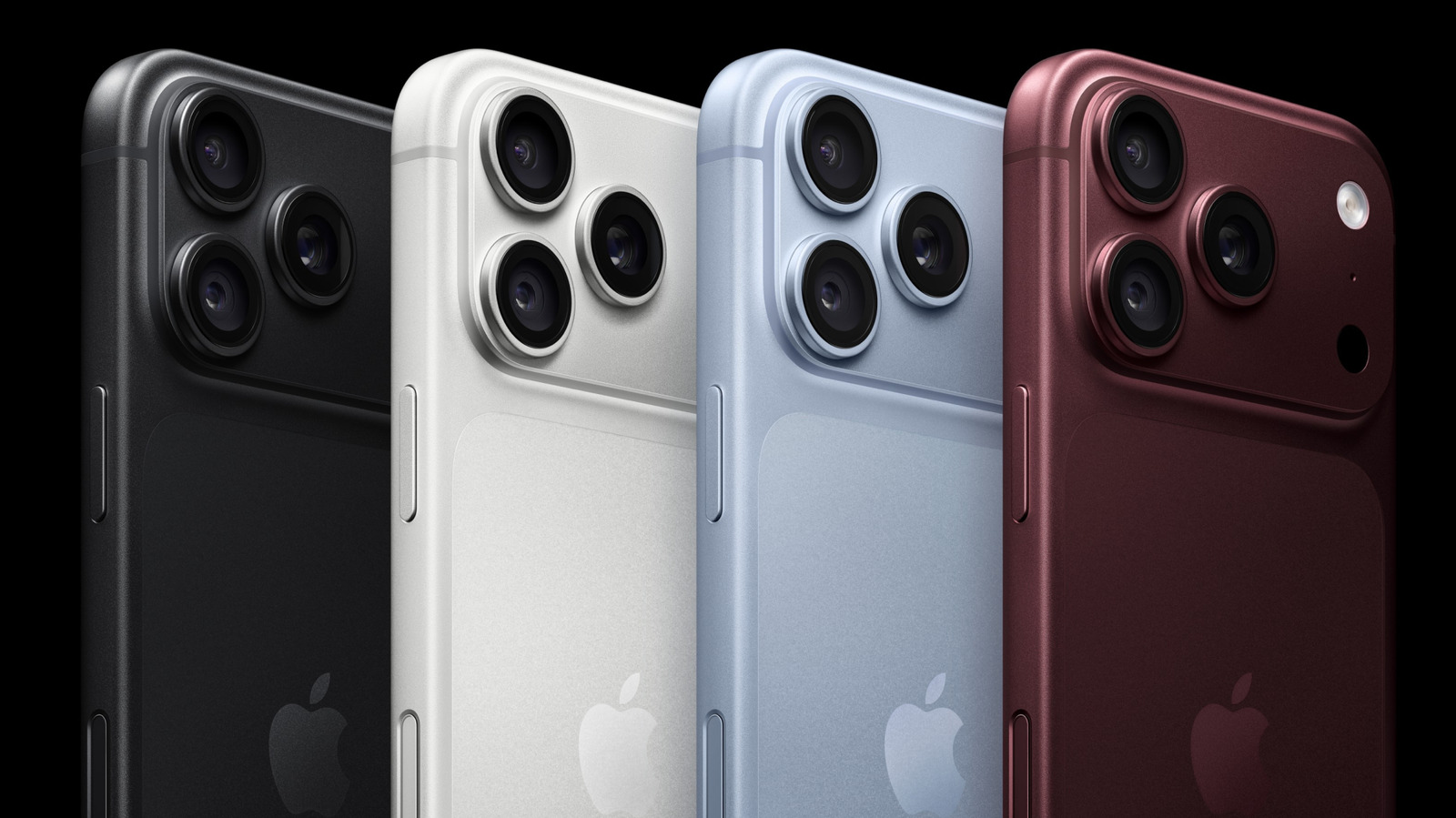
Engadget's look at customising Camera Control on the iPhone is, on its face, a how-to. But its framing is the tell: tweaking the feature can change the way you shoot, "even if you've never touched it before." That is a claim about defaults. Camera Control is a physical input on the side of the phone, and like every physical input before it - the ring switch, the volume rocker, the home button - its value depends almost entirely on what it is bound to. A button that opens the camera is a convenience. A button that opens the camera with a predetermined zoom, exposure or app is a behaviour.
The significance for US consumers is that the most consequential smartphone settings are increasingly the ones they never open. Apple shipped a hardware control and then, as Engadget describes, left enough room in the software for owners to redefine it. The company gets credit for flexibility; the user gets a device that behaves differently depending on choices made once and forgotten. For American carriers and retailers, who sell phones on the strength of a demonstrator model, that is an awkward pitch. The feature that makes the phone feel personal cannot be shown in a 30-second demo.
The phone as behaviour pump
Contrast that with the second story. The Verge's Optimizer newsletter, written by senior reviewer Victoria Song, examines the latest gizmos and potions that promise to change your life. One instalment features a phone speaker delivering a Gen Z voice intoning a blunt promise about digestive relief. The specific product is incidental. What matters is the format: a phone, through sound, being enlisted as a behavioural intervention.
This is a real shift in how smartphones are marketed and used in the US. The device that spent two decades absorbing functions - camera, wallet, map, television, therapist - is now being asked to give some of that back. Wellness hardware has always existed at the margins, but the smartphone is the distribution channel that makes it mainstream. A phone is already on the nightstand, already in the bathroom, already listening. Adding a voice that tells you what to do next requires almost no new hardware, which is precisely why it proliferates.
The consumer cost is not financial, at least not initially. It is cognitive. Every one of these functions asks for a decision about whether to trust it, and those decisions accumulate. The Optimizer newsletter exists because there is now enough of this material to review weekly, which is itself a kind of verdict.
A phone that argues with its owner
The third story is the most direct. Engadget reports that Freckle's smartphone encourages kids to get outside, describing the concept with an exclamation that reads as genuine surprise. A phone built for children that pushes them away from the phone is a contradiction - and it is exactly the contradiction the US market has been circling for years.
American parents have been offered two bad options: give a child a full smartphone and accept the consequences, or give them nothing and lose the ability to reach them. Freckle's premise, as Engadget frames it, is a third path in which the device's own design is the parental control. That inverts the standard model. Most US parental software is an overlay - Screen Time, Family Link, a carrier app - bolted onto a device that was designed for adults and then restricted. A phone whose default behaviour is to send the child outdoors is a different proposition, because the restriction is the product rather than a setting within it.