The laptop industry is fixated on what comes next while leaving the fundamentals unfinished. Three recent stories about a lone pink MacBook, mediocre webcams and the first Chromebook point to the same problem: the companies making portable computers keep treating the basics as afterthoughts.
The Color Problem Is a Symptom
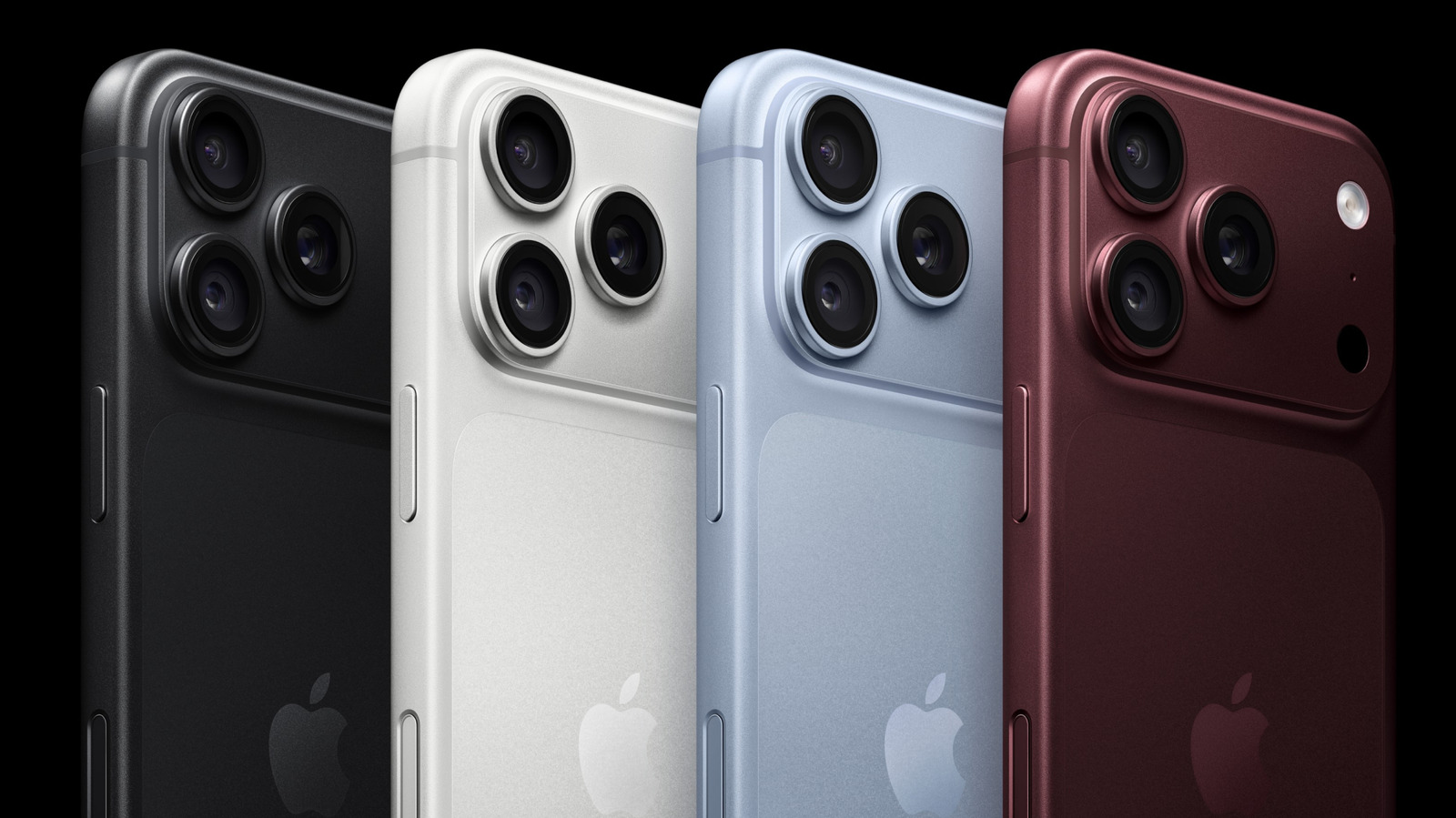
Engadget recently asked why the only pink MacBook available right now is the sole option of its kind. That question sounds trivial until it is placed next to the broader reality of laptop design. A market that can produce folding screens and exotic materials still offers consumers an overwhelmingly narrow palette, usually silver, gray and black.
The pink MacBook is not the issue. The issue is what its isolation reveals about how product lines are planned. Colors are treated as limited editions, seasonal experiments or regional exclusives rather than as standard configurations. Buyers who want something other than a gray slab are forced into whatever single variant happens to exist at that moment, if one exists at all.
For US consumers, this is a matter of real money. A laptop is a multi-year purchase, and appearance is one of the few ways to differentiate machines that otherwise share the same processors and screens. When color is scarce, buyers lose a meaningful part of the choice they are paying for. For US technology companies, the calculus is just as clear: color variety is cheap compared to silicon, and it remains one of the few levers that can lift a product's appeal without a redesign. The fact that it is so rarely pulled suggests the industry does not see personalization as a priority.
Webcams Keep Exposing the Same Neglect
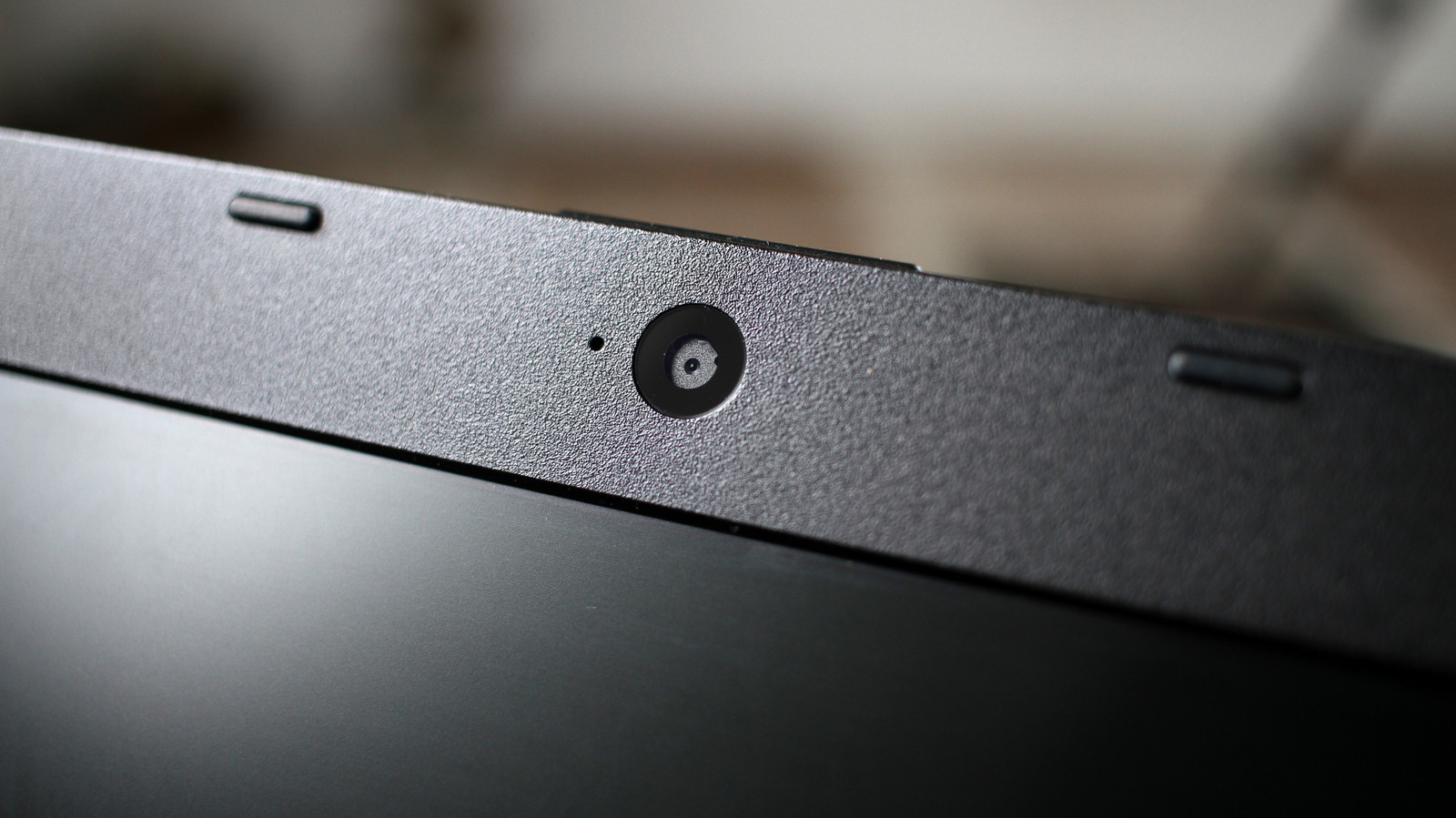
Engadget has also published guidance on improving laptop webcam quality, noting that the webcam is not usually an impressive piece of hardware but that users can help make up for its shortcomings. That framing is telling. It assumes the hardware is mediocre and asks the buyer to compensate.
The laptop webcam has been a weak point for years. It sits at the top of the screen, it is used constantly for work calls and video chats, and it is routinely outclassed by the camera in a phone that costs a fraction of the price. The advice to improve it through lighting, positioning and settings is useful, but it is also an admission that the component itself has not kept pace.
This matters for US workers in particular. Remote and hybrid work have made the laptop webcam a primary professional tool, not a novelty. A blurry or noisy image is not just an aesthetic inconvenience; it affects how people present themselves in interviews, client meetings and team calls. When the industry's answer is a how-to guide rather than a better sensor, the burden shifts to the consumer.
The pattern is the same as with color. Features that are unglamorous but used every day are allowed to stagnate while marketing focuses on specifications that look good on a product page.
The First Chromebook Still Has Something to Teach
The Verge's Version History has revisited the Cr-48, the forgotten machine that started the Chromebook line. As that story notes, Google did not even call the first Chromebook a Chromebook. The Cr-48 had no interesting design and no bright logos. It was not even designed to be a product consumers could buy. Instead, it was a portal to a big new idea about computers.
That history is worth keeping in view because it reframes what matters in the laptop business. The Cr-48 was not a commercial success story built on finish options or camera quality. It was an argument about what a computer could be, and the industry spent the following years deciding how much of that argument to accept.