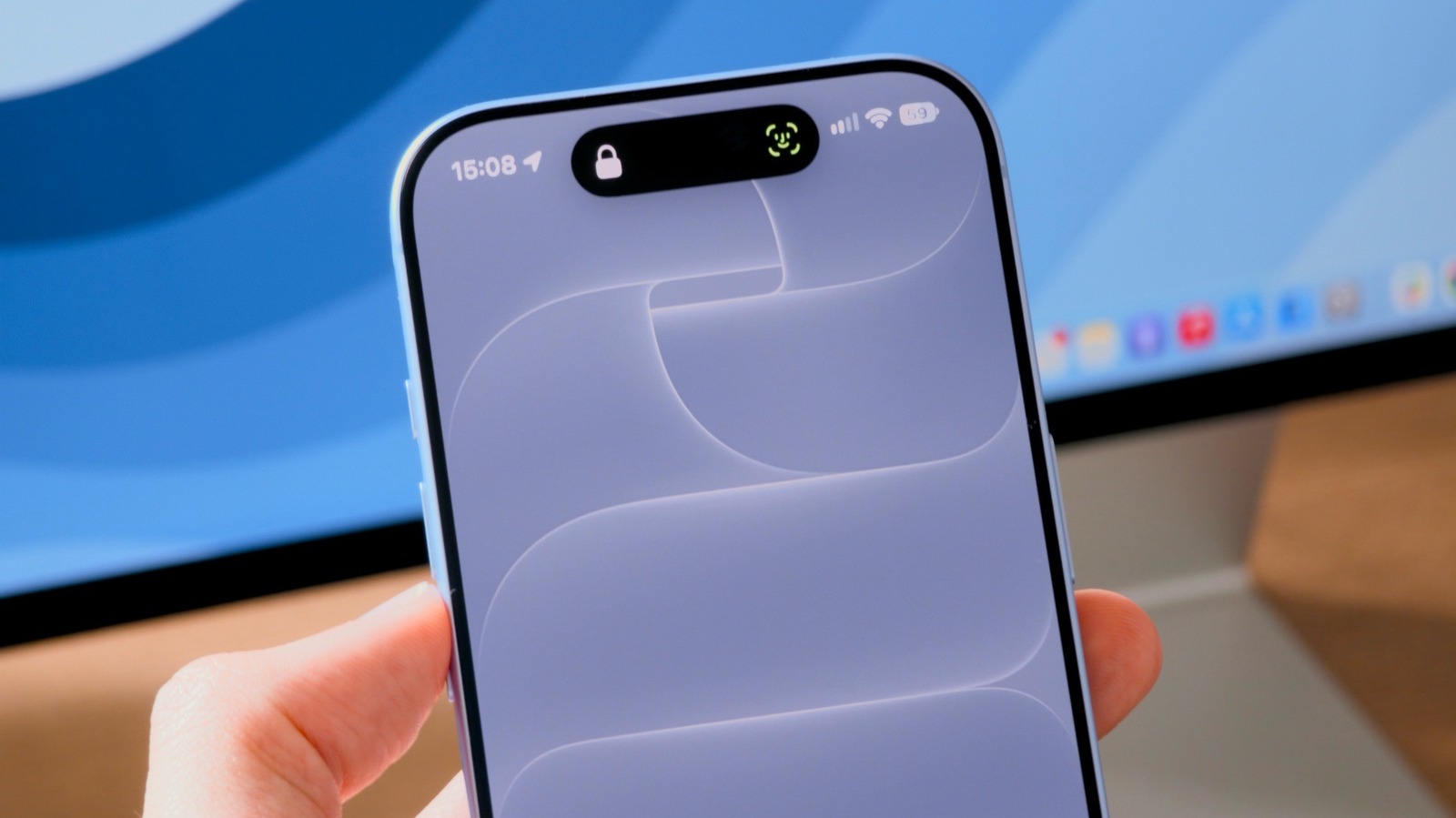
The operating system beat this week is really one story about patching. Apple shipped an urgent fix for a bug it says was used against specific targeted individuals on iOS 26, the version most of its customers still run, while separately issuing iOS 27.0.1 for Face ID and touchscreen problems on the iPhone 18 Pro. Signal, meanwhile, used version 8.30 to complete encrypted local backups across Android, iOS, Linux, macOS and Windows. The common thread is that durable security on modern operating systems now depends less on any single release than on whether vendors can actually move a fragmented base onto it.
Two Speeds of Maintenance
Apple's week captures a structural condition in operating systems: current and previous versions must be serviced at the same time. As TechCrunch reported, the iOS 26 flaw was exploited against "specific targeted individuals," and the majority of Apple customers are still on that version. Engadget reported that iOS 27.0.1 addresses Face ID and touchscreen issues on the iPhone 18 Pro. Those are different kinds of updates serving different populations. One is an emergency response to an active exploit on a version that remains widely deployed; the other is routine quality maintenance on the newest hardware. Neither can wait for the other, because users do not migrate on the vendor's schedule.
For US consumers, this means the security posture of an iPhone or Mac is now a function of which branch of the OS they happen to sit on. A user who bought hardware in the iOS 26 era and has not moved to iOS 27 depends on Apple continuing to backport urgent fixes. That is a deliberate cost, and it is also a policy choice about who gets protected and for how long. The practical asymmetry is that the exploitation described by TechCrunch targeted specific individuals, but the update carrying the fix is recommended to everyone still on iOS 26. Mass distribution is how targeted fixes reach the people they were built for.
The Patch as Policy Instrument
Apple's language matters on this beat. Attributing an exploit to attacks on "specific targeted individuals" is a signal about who is at risk, and it shapes how enterprises and institutions prioritize. But a targeted-threat description does not narrow the population that should patch. It broadens it, because any device on the affected branch carries the same code path. On the operating systems beat, the relevant question is not only whether a fix exists but whether it reaches devices before the window closes.
US companies building on Apple platforms inherit this problem. Enterprise fleets, point-of-sale devices, clinical tools and field hardware running iOS 26 all sit on the branch that drew the emergency fix. The update cadence becomes an operational input, not just an IT chore. Apple's dual-track servicing is what makes that manageable, but it also means support windows and upgrade pressure are not abstract concerns. They determine which devices remain defensible.
Signal Completes a Cross-Platform Baseline
Signal's version 8.30, reported by BleepingComputer, finished rolling out encrypted local backups across Android, iOS, Linux, macOS and Windows. The OS beat relevance is that this is a feature defined by parity across operating systems, not by any single one. A secure messaging app is only as strong as its weakest platform integration, and the rollout is complete only when every supported OS carries the same capability. That is a different maintenance model from Apple's, where versions split by hardware generation and upgrade behavior. Signal is treating platforms as a set to be brought to a common level. Apple is managing a base that cannot all be at the same level at once.
For US users, a completed cross-platform backup feature changes local risk calculations. Backups that stay encrypted locally reduce the exposure created when device data is copied elsewhere. That matters to consumers and to organizations whose staff use the same app on phones, laptops and desktops running different operating systems. The value of the feature depends on consistency across those systems, and the version number is the milestone that confirms it.