The Gadget Is No Longer the Whole Story

Photo: The Verge

Article

The Gadget Is No Longer the Whole Story

Four recent stories show that what matters in consumer tech now is the data, software, and trade-offs surrounding the hardware, not the device itself.

HemeswariOctober 4, 20265 min read

The device is no longer the product. Across four stories logged this week, the hardware on the shelf is only the visible layer of something larger: the databases behind it, the software riding on top of it, and the trade-offs consumers are asked to accept. What US buyers are choosing in 2026 is less a gadget than a bundle of services, policies, and compromises that come attached to it.

Hardware as a Container

Start with Amazon's new Kindles, covered by The Verge. The framing there is telling. The e-readers are described as colorful and sturdy, and they arrive inside Installer, a guide to "the best and Verge-iest stuff in the world" - a column that treats gadgets as objects worth wanting rather than tools to be evaluated in isolation. A Kindle's appeal has never rested on its processor or its screen refresh rate; it rests on the store, the library, and the reading experience that Amazon controls. The colorful and sturdy casing is the hook, but the hook is only the outer shell of a content ecosystem.

That pattern extends well beyond e-readers. Samsung's latest phone update, reported by Engadget, is not about new hardware at all. One UI 9 brings new customization options to phones already in people's pockets: the Quick Panel, the Edge Panel, and much more. Owners do not buy a new device to get these features; they receive them through software. The phone they purchased last year becomes a different phone this year, and the manufacturer, not the buyer, decides what that change looks like.

The Value Moves to the Layer Above

The Samsung story matters because it inverts the usual upgrade logic. In a market where hardware improvements have become incremental, the meaningful differences between one device and the next are increasingly found in software. Customization is a feature that costs Samsung relatively little to ship and gives its installed base a reason to stay inside its ecosystem rather than switch. For US consumers, that is a quiet form of lock-in: the more a phone's personality is shaped by the manufacturer's software layer, the more switching costs accumulate without any purchase being made.

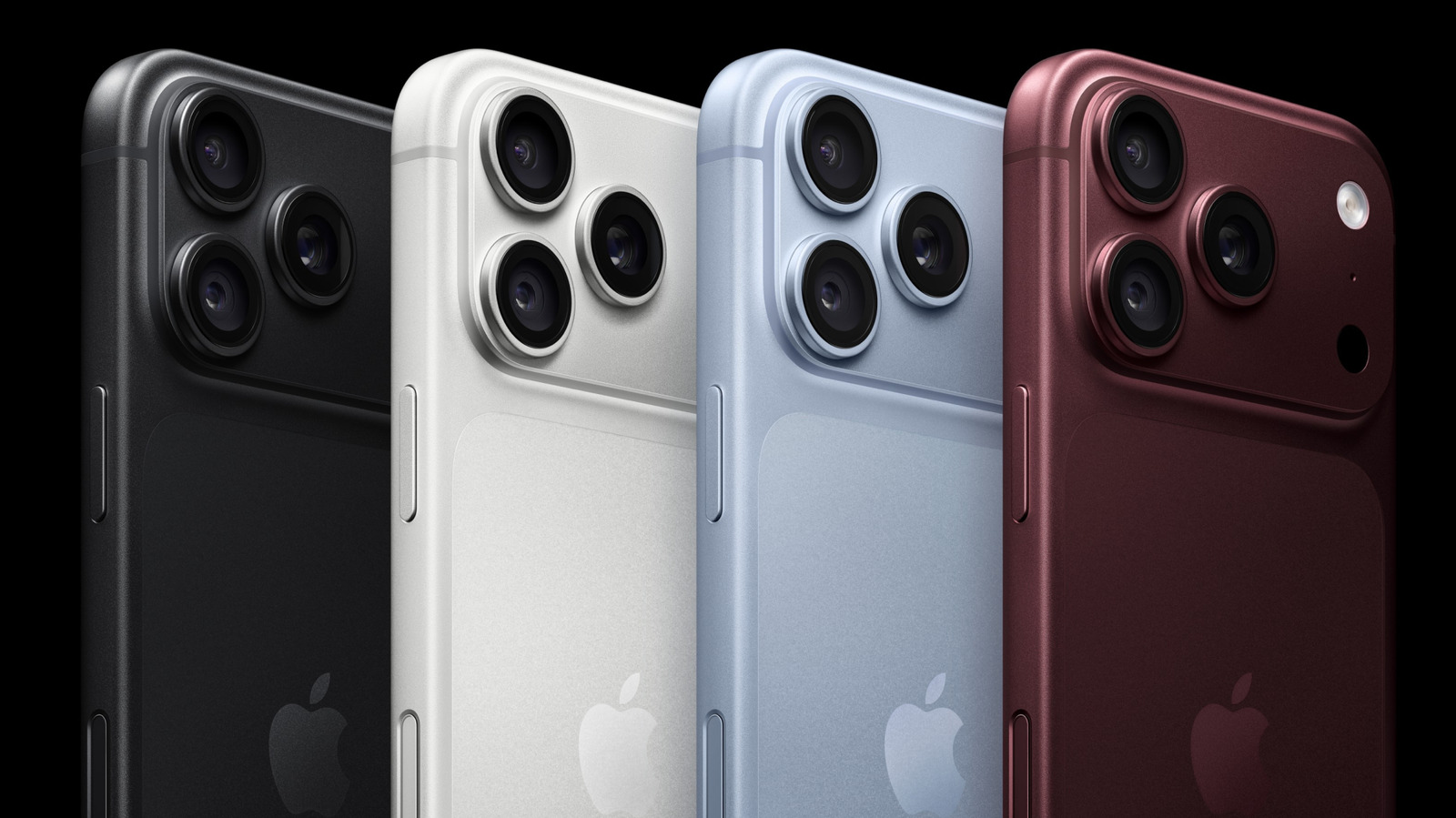
Apple faces the same reality from a different direction. Engadget's comparison of the iPhone Duo and the iPad Mini is explicitly about fit rather than spec sheets. The Duo offers a tablet-like experience through its inside screen, but that may not be better than a dedicated iPad for a given buyer. The question the piece poses is not which device is more powerful. It is which device belongs in a person's life - and the answer depends on how the hardware's form factor maps onto software and habits rather than on any single component.

Overlap as a Strategy

That comparison also exposes a structural tension. Apple sells both a phone that folds into a tablet-like shape and a small tablet that occupies similar territory. The company benefits either way, but the consumer has to decide which compromise to accept: a device that is primarily a phone but sometimes a tablet, or a device that is primarily a tablet and never a phone. That is a mature-market problem. When a company's own products compete for the same use cases, the differentiator is no longer capability but the shape of the trade-off.

Across all three gadget stories, the same move repeats. Amazon, Samsung, and Apple are all selling into an installed base that already has capable hardware. Their growth comes from refining the layer above the device - content, software, form factor - and from making the surrounding ecosystem sticky enough that replacing the device means leaving something behind.

The Uncomfortable Fourth Story

The fourth story does not fit the gadget frame, and that is precisely why it belongs in the same analysis. Engadget reports that ICE is using a Palantir database to compile dossiers on protestors, according to an attorney representing those protestors, who said the practice infringes on First Amendment rights. There is no consumer product here, no update, no form factor. But the underlying logic is identical: a data layer sits beneath a visible activity, and the organizations that control that layer shape what is possible for everyone interacting with it.

Set beside the Kindle and the Galaxy update, the Palantir story clarifies what the gadget beat is actually about in 2026. Consumer technology is increasingly an interface onto data infrastructure. The screen, the hinge, the color of the casing - those are the parts a buyer can evaluate in a store. The database, the software policy, and the terms of service are the parts that determine what the device does over time, and they are rarely part of the purchase decision because they are not visible at the point of sale.

What This Means in the US Market

For American technology companies, the implication is that competitive advantage is migrating away from the objects they ship and toward the systems those objects depend on. Amazon's Kindle business is a content business wearing a hardware costume. Samsung's update cadence is a retention strategy delivered as software. Apple's product line asks customers to sort themselves by lifestyle rather than by specification. Each approach depends on controlling something the customer cannot easily take elsewhere.

For US consumers, the practical consequence is that ownership is becoming conditional. A device bought outright still changes according to decisions made by a company that owes the buyer no particular outcome. Features arrive or do not. Comparisons hinge on fit rather than capability. And the data generated by the use of these devices feeds systems that may serve purposes the buyer never anticipated - a risk that the Palantir reporting, as covered by Engadget, illustrates at its most serious.

What to Watch

The stories logged here point to a few observable threads rather than conclusions. Watch whether Samsung's One UI 9 customization options are framed by users as meaningful or as filler; that will indicate how much room remains for software to differentiate mature phones. Watch how reviewers and buyers treat the iPhone Duo against the iPad Mini; if the decision keeps coming down to lifestyle fit, it will confirm that hardware overlap is now a deliberate strategy rather than an accident. Watch whether the Kindle's colorful redesign is discussed as a reading experience or as a design object; that will show how much of the value Amazon's customers still attribute to the physical device. And watch how the Palantir reporting develops, because the same architecture that makes a phone customizable is the architecture that makes a database powerful - and the second story is the one with the highest stakes.

Sources

  • The Verge, on Amazon's new Kindles
  • Engadget, on ICE and a Palantir database
  • Engadget, on Samsung's One UI 9
  • Engadget, on the iPhone Duo versus the iPad Mini

More on this beat: Gadgets on TechManNews.

#consumer tech#hardware#software ecosystems#data privacy#US market#device strategy

Newsletter

Get Tech News in Your Inbox

The latest AI, gadgets, software and startup stories from TechManNews, delivered every morning - free.