ChromeOS Phase-Out Shows the PC Is Being Rebuilt Around Other Devices
Article

ChromeOS Phase-Out Shows the PC Is Being Rebuilt Around Other Devices

Google's 2034 ChromeOS exit, Android desktop mode, and the Duo name clash all point to one shift: the PC is becoming a layer, not a box.

NagiOctober 3, 20264 min read

Photo: Tom's Hardware

Google's confirmation that ChromeOS updates will phase out in 2034, reported by Tom's Hardware, is not just a product retirement. Read alongside Engadget's guide to using Android's desktop mode on recent Pixel phones and its history of the two very different devices called Duo, it reveals a single pattern on the laptops and PCs beat: the personal computer is being redefined as a software layer that follows the user across hardware, rather than a distinct machine with its own operating system and its own upgrade cycle. For US technology companies, US consumers, and the American PC market, that shift changes what a laptop purchase actually buys.

A Transition, Not a Shutdown

Google's framing matters. The company says it will support the transition to Googlebook OS and new laptops, per Tom's Hardware, and the 2034 date is a phase-out of ChromeOS updates rather than an immediate end. But the detail that should concern buyers is that the ten-year support lifetime is being cut short for some devices. That is the tell. ChromeOS built its reputation on long, cheap, predictable hardware life, particularly in US schools and among budget buyers. A platform transition that truncates support for some machines converts a dependable appliance into a deprecating asset, and it does so on a schedule set by the vendor rather than the buyer.

The Name Game

The Engadget history of the iPhone Duo versus the Microsoft Surface Duo is easy to read as trivia. It is more useful as evidence that hardware categories are converging faster than their names. Two unrelated products shared a label, and the label outlived at least one of them. On this beat, that is the normal condition now. A folding phone, a dual-screen PC, and a laptop are all competing for the same pocket, the same bag, and the same user attention. When form factors blur, the durable asset is not the chassis. It is the operating system and the account behind it.

Android Becomes the Desktop

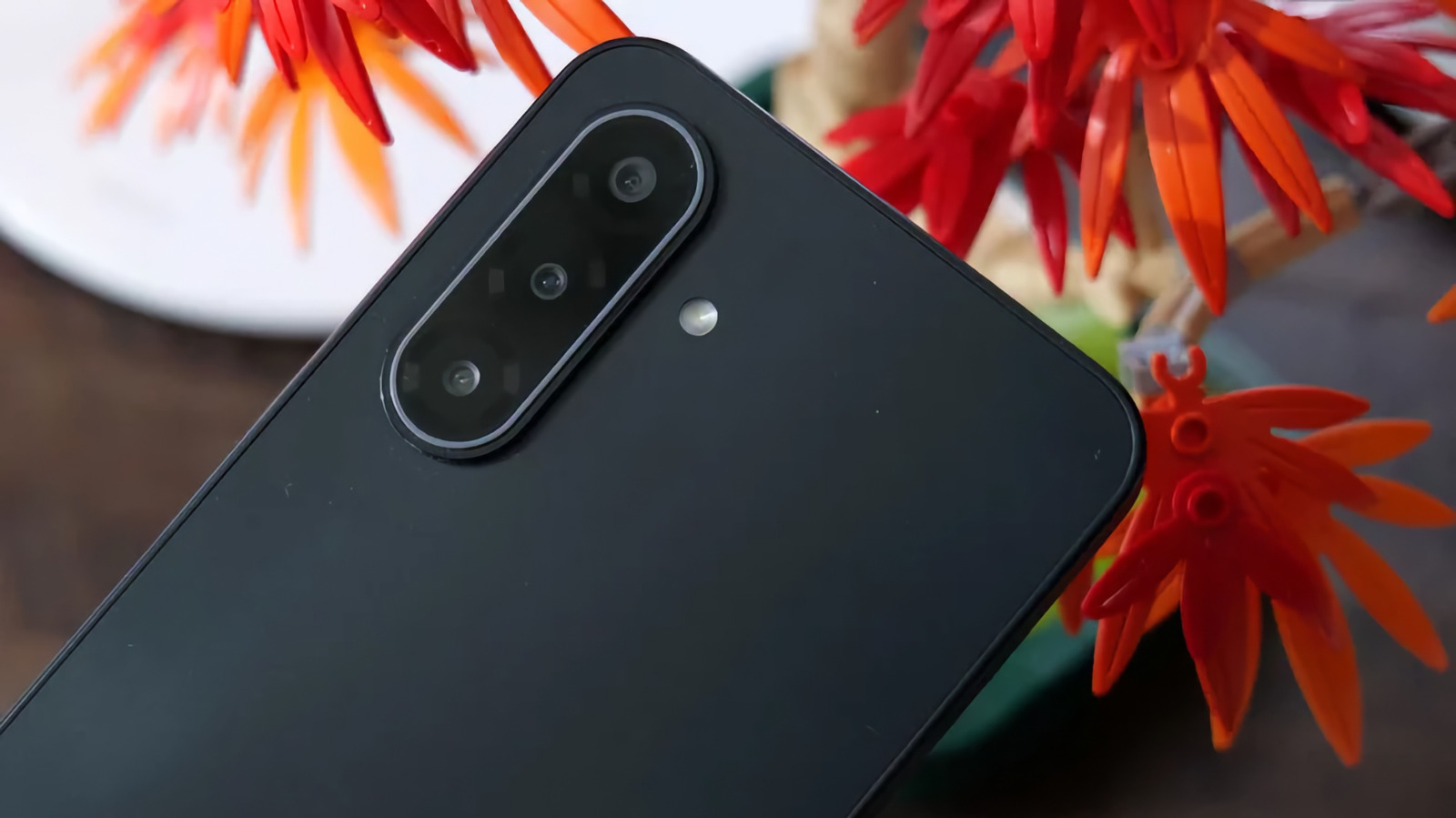
Engadget's piece on Android's desktop mode makes the same point from the opposite direction. Recent Pixel phones can be plugged into a monitor to produce a desktop-style interface. That is a small feature with a large implication: the compute unit in a US consumer's pocket can now drive the screen, keyboard, and mouse that used to define a PC. It is not a full replacement for a workstation, and the coverage does not claim it is. But it means the entry ticket to desktop computing is no longer a desktop. For a US household weighing a phone upgrade against a cheap laptop, those two purchases are starting to overlap.

Why Google Would Do This

Put the three stories together and Google's ChromeOS decision looks less like retreat and more like consolidation. A company that can run a desktop interface from a phone, sell laptops under a new OS branding, and manage a decade-long migration has an incentive to stop maintaining a separate desktop operating system that competes with its own mobile platform. Googlebook OS and the new laptops named in the Tom's Hardware report are the landing zone. ChromeOS is the runway being closed. The risk is not technical. It is that the migration lands on consumers as an upgrade they did not ask for, on a timeline they did not choose.

What It Means in the US

The American PC market has spent years treating the operating system as the stable part and the hardware as the disposable part. This pattern inverts that. Hardware increasingly arrives with a vendor-controlled expiry date, while the software layer is the thing that persists across devices. US consumers should expect more of their computing life to be tied to an account and an ecosystem rather than to a specific machine, and less of it to be portable between vendors. US companies selling into this market face a harder question than spec sheets: if the desktop is now a mode rather than a machine, what exactly is the customer buying, and for how long?

What to Watch

The concrete signal is the support timeline. Whether Google's transition to Googlebook OS preserves anything close to a ten-year update commitment for existing ChromeOS owners, or leaves some devices stranded earlier, will define how much trust the next platform inherits. Watch how broadly Android desktop mode spreads beyond recent Pixel phones, since a feature confined to one product line is a demo while a feature across a lineup is a strategy. And watch whether the convergence that produced two different devices called Duo keeps producing naming collisions and category confusion, because that confusion is the visible edge of a structural change in what a PC is. The box is getting less important. The layer is getting more.

More on this beat: Gadgets on TechManNews.

#ChromeOS#Googlebook OS#Android desktop mode#PC market#operating systems

Newsletter

Get Tech News in Your Inbox

The latest AI, gadgets, software and startup stories from TechManNews, delivered every morning - free.