The most telling thing about this week's gadget news is how little of it is about gadgets. An Apple TV refresh, a pair of camera-less Meta glasses, a Framework laptop upgrade and Apple's new smart home range are four different products in four different categories, yet each one is being sold on the strength of what it connects to rather than what it is. The device is becoming the entry point; the ecosystem is the product.
Boxes That Are Really Doorways
Apple's new Apple TV 4K is the clearest case. As The Verge reported, it is the company's first new Apple TV in four years, arriving with an A19 chip replacing the discontinued 2022 model's A15 Bionic, better wireless connectivity, and a rollout in which Siri AI is, in The Verge's phrasing, a big part of the story. Preorders opened ahead of availability starting Friday, November 13th.
On paper that is a spec-sheet upgrade to a streaming box. In practice the silicon is there to run an assistant, and the assistant is there to make the box worth talking to. A streaming player that only streams is a commodity; a streaming player that answers, routes and controls is a tentacle. Apple spent four years not updating this product, which suggests the company did not consider the streaming function alone sufficient reason to refresh it. What changed is the role the box can play inside a wider system.
Meta Sells the Absence of a Feature
Meta's framing of its Ray-Ban Audio glasses points the same direction from the opposite angle. The Verge's piece is built around not missing the camera: the writer runs with music playing, orders a caramel apple-flavored matcha latte, reads on a park bench and calls a friend, all without a lens involved.
That is a review arguing for subtraction, which is unusual in a category that has spent years adding. But it makes sense if the glasses are understood as an accessory to a phone and an assistant rather than as a camera. Removing the camera removes the objection that keeps many buyers away, while leaving intact the parts that tie the wearer to Meta's services. The product gets simpler; the attachment gets stronger.
Framework's Ceiling Is Not Its Chip
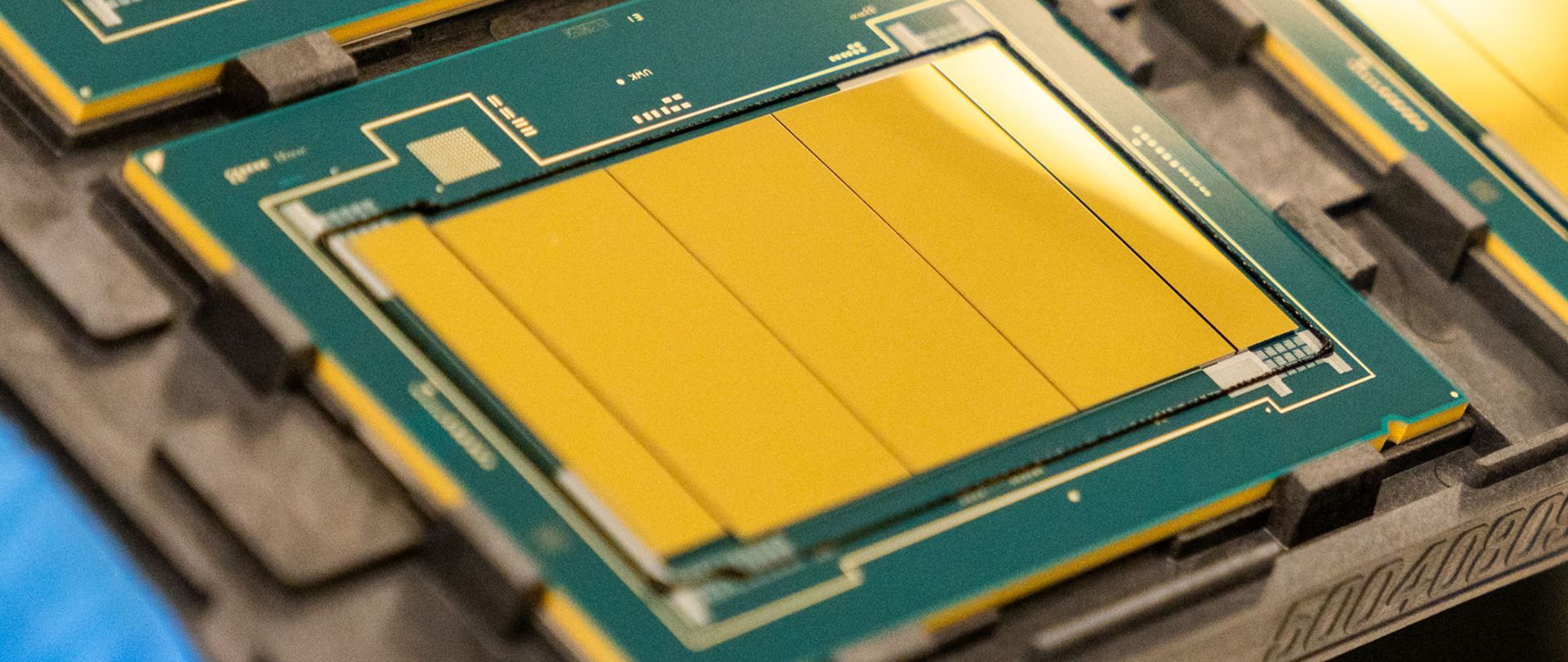
Engadget's review of the Framework Laptop 12 2026 upgrade describes a machine conceived as a Chromebook killer that now has a flagship chip inside, with Intel's Core Series 3 addressing what Engadget calls a key flaw. The interesting question the review raises is not whether the chip is fast but whether the laptop works as a grown-up machine.
Framework's whole proposition is that the hardware is modular and repairable and therefore belongs to the buyer. That is an ecosystem argument too, just a different one: not lock-in but longevity. It is also the hardest kind to sell in the US, where the upgrade cycle is driven by carrier and retail promotions as much as by need. A laptop that can be upgraded is a laptop that does not need to be replaced, which is good for the customer and awkward for everyone whose business model assumes replacement.