Smartphones Are Becoming the Everything Platform Again
Article

Smartphones Are Becoming the Everything Platform Again

Three recent stories show the smartphone quietly absorbing dedicated devices, mod-friendly gaming, and location services into one do-everything hub.

HemeswariOctober 12, 20265 min read

Photo: CNET

The Thread

The smartphone is once again becoming the default platform for everything. Three recent stories - a $179 Fitbit tracker that sits between a screenless band and a full smartwatch, a native port of GTA V on iOS that has been modded to run Minecraft inside it, and a guide to fixing Android location accuracy - point at the same thing. The phone is not losing ground to specialist hardware or to the cloud; it is absorbing both, and the companies that treat it as a neutral pipe are ceding the most valuable surface in consumer tech.

The Hardware Squeeze From Below

Google's new Fitbit Edge, reported by CNET, is a useful case. At $179 it sits between the screenless Fitbit Air and the Pixel Watch 5, and the pitch is explicitly about noncommitment: some of what the smartwatch does, some of what the band does, without asking the buyer to pick a side. That is not a product story so much as a pricing and positioning story. The addressable market for a full smartwatch has been carved up by Apple, Samsung, Garmin and Google's own Pixel line. The addressable market for a screenless tracker has been squeezed by cheap imports and by the phone itself, which already counts steps, tracks workouts and pushes notifications.

The Edge is what happens when a platform company decides that the interesting growth is not at either end of the market but in the middle, where people who would never buy a $400 watch can be persuaded to buy a $179 companion. For US consumers, the practical effect is more choice at the low-to-mid end, and less reason to commit to a single wearable ecosystem. For US technology companies, it is a reminder that accessory revenue increasingly depends on how well a device plays with the phone in the buyer's pocket, not on how much hardware is stuffed into the accessory itself.

The Phone as a Console

The second story is stranger but more revealing. As Tom's Hardware reported, a developer known as C22 produced a native port of GTA V for iOS and macOS, and someone has since modded Minecraft into it - the Ender Dragon included. A few years ago, running a game of that scale natively on an iPhone would have been a curiosity. In 2026 it is a demonstration of where the performance floor now sits. Apple's silicon has made the phone a credible target for the kind of workloads that used to require a dedicated console or a gaming PC, and the modding community has noticed. The fact that a modder can layer one game inside another, on a phone, without a cloud streaming service in the loop, says more about the maturity of the platform than any benchmark graph.

That matters for the US market in two ways. First, it keeps pressure on the cloud gaming story: if a phone can run the game locally, the pitch for a subscription streaming service weakens for anyone with a recent handset. Second, it changes what a phone is for. A device that can host GTA V and a Minecraft mod on top of it is not a communications tool with entertainment features bolted on. It is a general-purpose computer that happens to make calls. The companies that still treat the smartphone as a peripheral to a larger platform - a display for someone else's service - are, on this evidence, misreading the direction of travel.
The Plumbing Nobody Markets

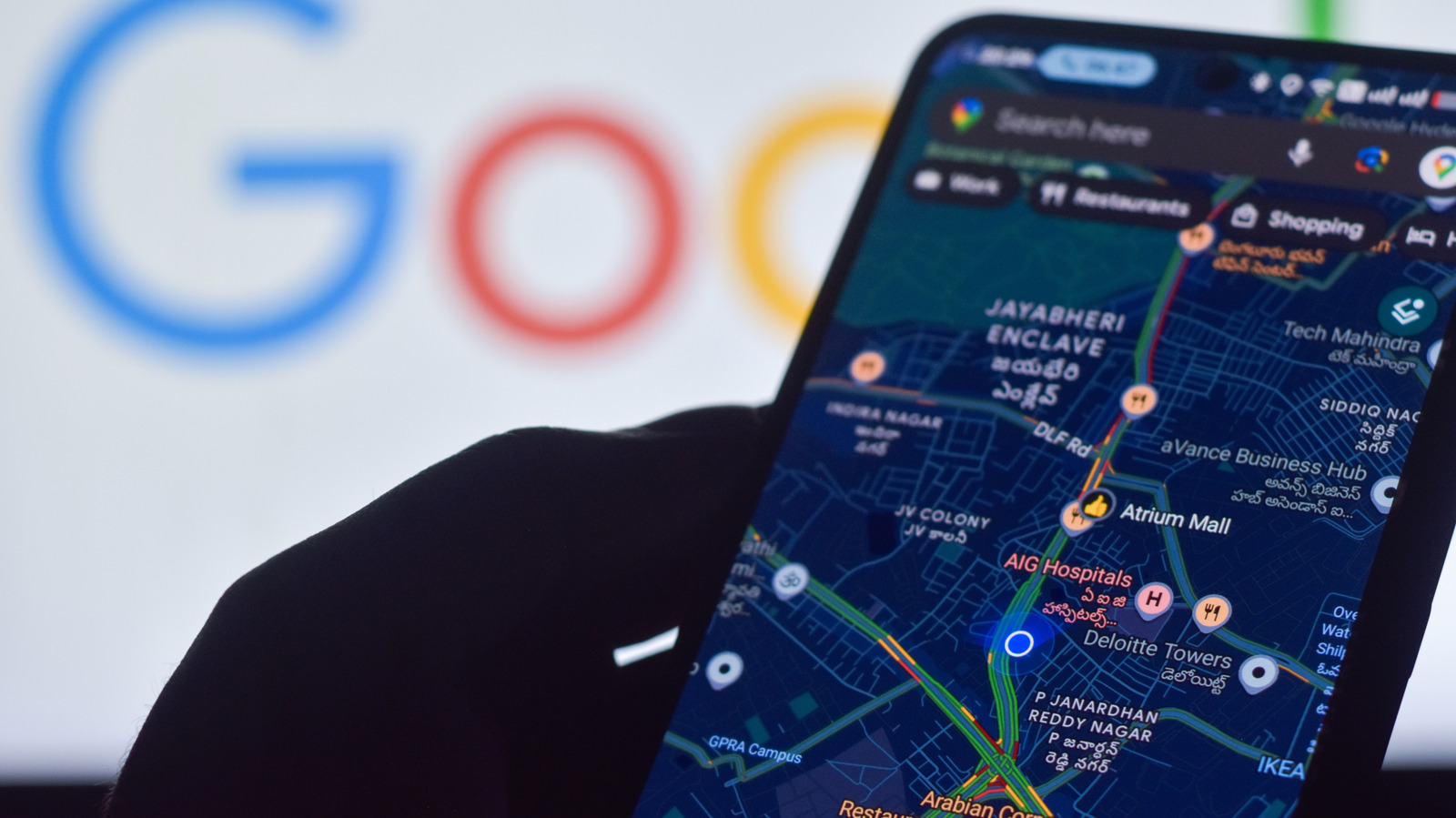
The third story is the least dramatic and possibly the most important. Engadget's guide to improving Android location accuracy is a reminder that the phone's usefulness depends on a layer of settings that no one advertises and few users ever open. The mapping stack is the quiet substrate under ride-hailing, food delivery, navigation, fitness tracking, weather and a long list of apps that assume the phone knows where it is. When that assumption breaks, the failure is not attributed to the phone; it is attributed to the app, the driver or the restaurant.

For US consumers, the friction is familiar and mildly infuriating: a pin that lands a block away, a delivery that goes to the wrong door, a workout that logs as a stroll. For US technology companies, the lesson is subtler. Location accuracy is now a competitive feature even though it is not a marketed one. Apple has spent years treating the sensor stack and the software that fuses it as a differentiator, and Google's Android guidance - the fact that users are being pointed at settings at all - suggests the burden still falls partly on the customer. That is a support cost, a trust cost and, eventually, a switching cost.

What the Three Stories Share

Read together, the three items describe a platform that has stopped competing with specialist devices on their terms and started subsuming them. The smartwatch is being reframed as an accessory tier the phone can straddle. The handheld console is being reframed as a software problem the phone can already solve. The GPS unit, the fitness band and the point-and-shoot camera have already been absorbed. What is left for the phone to absorb is the remaining friction - the setup screens, the accuracy settings, the modding tools - and that is where the next round of platform competition is likely to sit.

For US technology companies, the strategic implication is that the smartphone is not a mature category to be harvested. It is the surface on which adjacent categories are decided. Google selling a $179 tracker, Apple's silicon enabling a native GTA V port, and Android's location settings becoming a topic worth writing about are all signs of the same thing: the phone is the platform, and everything else is a feature of it. Companies that build accessories, services or games for the US market should assume the phone is the default target and design accordingly.

What to Watch

Three things, all grounded in the stories above. Whether Google's positioning of the Fitbit Edge between the Air and the Pixel Watch 5 is copied by rivals, which would confirm the mid-tier wearable as a durable segment rather than a one-off. Whether native ports of console-scale games on iOS remain a curiosity or start appearing as a normal release strategy, which would tell us how seriously developers are treating the phone as a first-class target. And whether Android location accuracy is addressed in software rather than left to a settings guide, which would signal that platform owners now see plumbing as a competitive surface rather than a support ticket.

More on this beat: Gadgets on TechManNews.

#smartphones#wearables#mobile gaming#android#ios#platform strategy

Newsletter

Get Tech News in Your Inbox

The latest AI, gadgets, software and startup stories from TechManNews, delivered every morning - free.