The laptop's capabilities are increasingly set by software releases and platform decisions rather than by the hardware inside it, and those decisions now arrive on the vendor's schedule, not the owner's. Three recent stories on this beat - Apple's stalled Screen Time rollout, Googlebooks' underbaked debut, and Wired's continuing power-bank testing - all point at the same shift. For US laptop buyers, the machine on the desk is no longer the whole product; the product is the software state it happens to be in.

A rollout that skipped the household

The Verge reported that the revamped Screen Time, launched last month with iOS 27, cannot be used by one parent because an 18-year-old son has not updated his MacBook. That is an unusually specific failure, but the shape of it is general: a feature announced for a platform arrived in a state where a single un-updated machine elsewhere in the family blocked the intended experience. The Verge described the result as mostly a problem of Apple's rollout rather than the son's procrastination. The device that mattered most to the parent was the iPhone, but the device that determined whether the feature worked was a laptop. That inversion is the thread. Parental controls, like device management or account features more broadly, are no longer properties of a single product. They are properties of a fleet, and the fleet includes the oldest machine in the house.

The laptop as a gatekeeper

Apple's case matters beyond parental controls because it illustrates the coordination problem that now defines the PC market. Apple sells the hardware, the operating systems, and the cloud services, and it still could not land a feature cleanly because the company depends on every user updating every device they own. For US consumers, that means the practical question when buying a laptop is not only what it can do today but how long it will keep other products working properly. For US technology companies, the pressure is the reverse: the more services a platform layers on top of the OS, the more its reputation is hostage to the least current device in a customer's home. In this case, the least current device was a MacBook, a machine that in most households is the least frequently replaced computer on the desk.

Googlebooks arrive, but not finished

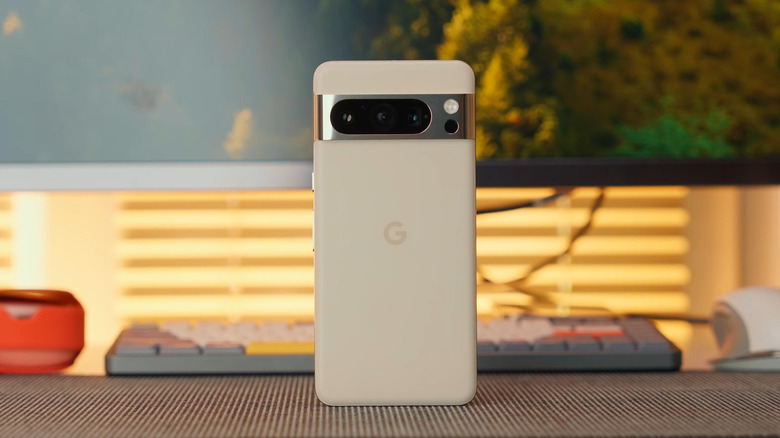
Google's entry into the laptop market shows what happens when the software arrives ahead of the maturity. The Verge reported that the first Googlebooks went on sale on Sunday, October 4, and that review units of all five models arrived about 24 hours before the piece was written. The Verge's first-five-impressions summary was that the Android laptops are exciting but underbaked. Nothing about that is surprising for a brand-new laptop category in its first week of retail availability, and the story does not claim otherwise. The point for this beat is structural: a new laptop platform is no longer judged on its own hardware alone. It is judged against an ecosystem of apps, services, and updates that has to be built and maintained. Google has entered a market where the definition of a finished laptop includes the software pipeline behind it.

What buyers actually see on the shelf

The consumer-facing effect is a widening gap between the specification sheet and the experience. The Verge's Googlebook piece was written about a day after the units arrived, which tells readers less about the machines' long-term usefulness than about the speed at which a launch is now covered. Meanwhile the parent in The Verge's Screen Time story had a fully specified iPhone and an entirely functional MacBook and still could not use the feature. The relevant variable in both cases was not memory, storage, or chip generation; it was deployment. For US consumers weighing a new laptop this fall, that argues for reading the software support commitments as carefully as the spec list - and for recognising that the ecosystem they are already inside may constrain what a new machine can do for the machines around it.

Why the boring category still matters

Wired's recent power-bank guide, which the outlet says reflects testing of over 100 units, looks at first like an outlier here because it is about accessories, not laptops. It is not. The guide's premise is that these devices are meant to keep a phone, laptop, handheld gaming console, and other electronics running. That is the same story told from the other end: the laptop is now one node in a set of devices that have to cooperate, and the market has grown a whole accessory category to keep that set alive when power runs short. Wired frames power banks as travel-friendly, but their inclusion of laptops in that list confirms how much the laptop's usefulness depends on things outside the laptop. In a software-defined market, even battery anxiety is an ecosystem problem.

The platform tax on hardware purchases

Taken together, the three stories describe a market in which the buyer of a laptop is buying into a schedule. Apple's rollout schedule determined whether a parental control feature worked in one household. Google's launch schedule determined how much of a new laptop category reviewers could actually assess. Wired's testing schedule determined which power banks a reader could buy with confidence. The US PC market has spent two decades consolidating around platforms that promise seamless integration; the same consolidation has shifted control of the experience from the person holding the laptop to the company shipping the update. None of the stories above involves a defective device. Each involves a device whose usefulness was set elsewhere.

What to watch

The Verge's account suggests that Apple's next step on the new Screen Time is less about the feature than about how the company communicates which devices must be current for it to function, since a single lagging MacBook was enough to block it. After the October 4 Googlebook launch, the question is how quickly the platform's rough edges are addressed, since the Verge's first look produced an underbaked verdict and the category's credibility depends on the follow-through. And Wired's power-bank guide is a reminder that accessory categories will keep tracking whatever mix of laptop, phone, and handheld US consumers carry. The through-line to watch across all three is whether vendors start treating rollout timing and cross-device support as product features in their own right, or keep leaving customers to discover the gaps on their own.

More on this beat: Gadgets on TechManNews.

#laptops#software rollouts#Googlebooks#Apple#US consumers#PC market

Newsletter

Get Tech News in Your Inbox

The latest AI, gadgets, software and startup stories from TechManNews, delivered every morning - free.