The clearest pattern in this week's CPU and processor news is that the chip is no longer the product. It is the ingredient. An Alienware desktop, a pair of Xreal smartglasses, and an AMD benchmark release all point to the same shift: the companies building around processors are competing on the package, the platform, and the timing of the announcement, not on the raw part alone.
That matters for US buyers and US chipmakers because the value of a processor is increasingly set by what it is bundled into, what software ecosystem it runs, and when rivals choose to release performance data. On this beat, the story is no longer just clock speeds and core counts. It is distribution.
The PC Becomes the Cheaper Way to Buy the Silicon
Tom's Hardware reported that an Alienware gaming PC with an RTX 5090 costs less than buying the GPU and CPU alone, with the full system coming in $500 below the combined price of its two most expensive components. That is a striking inversion. Historically, prebuilt systems carried a premium over DIY assembly because buyers paid for integration, warranty, and convenience. When a full machine undercuts the sum of its parts, the economics of the component market are being rewritten.
For US consumers, the immediate implication is that the prebuilt route can be the rational one even for enthusiasts who would normally assemble their own systems. For US technology companies, it suggests that system builders and their retail partners are willing to absorb margin on the box to move volume, or that component pricing at retail has drifted above what the assembled channel pays. Either way, the processor and GPU are being used as traffic drivers rather than profit centers.
The processor angle is easy to miss here. A gaming desktop is sold on its graphics card, but it cannot ship without a CPU, and the bundle price reflects what the whole platform is worth to the seller. When the system is cheaper than its parts, the CPU's contribution to the sticker price is effectively being discounted to close the sale. That is a distribution decision as much as a silicon one, and it is happening on this beat.
Smartglasses Put a Qualcomm Chip at the Center of a Platform
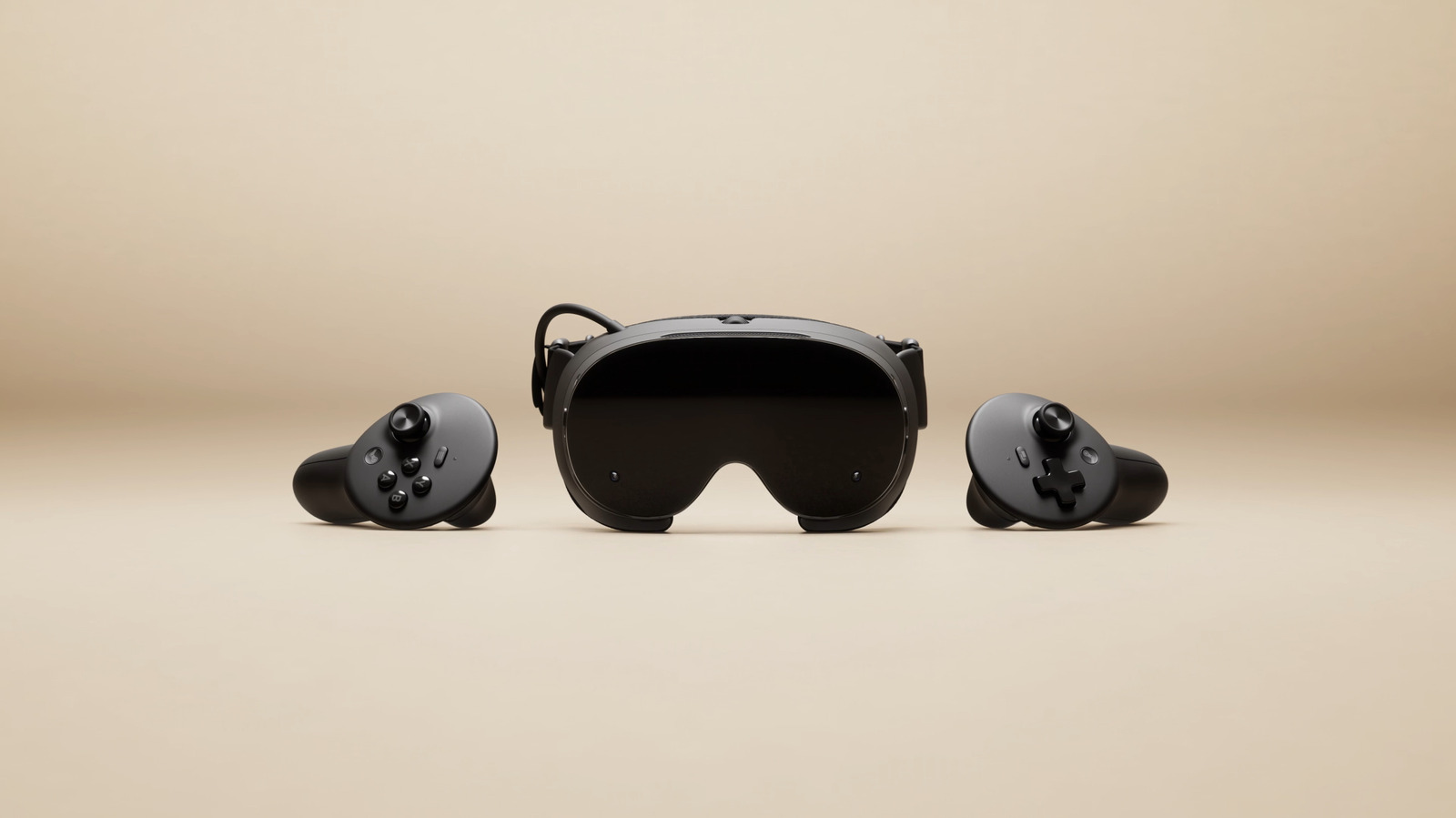
Engadget reported that Xreal's Aura Android XR smartglasses will cost at least $1,279 and are powered by Qualcomm's Snapdragon Reality Elite chip. The processor here is not a generic component. It is the reason the device can exist as a category, because XR workloads, sensor fusion, and on-device rendering depend on a chip built for that job.
The price is the other half of the story. At $1,279 and up, the Aura is not a mass-market accessory, and the chip inside is a major reason why. Qualcomm's positioning in Android XR gives it a platform role similar to what it holds in premium Android phones: the processor defines what partners can build and what they must charge.
For US consumers, that means the entry point for this class of device remains high, and the processor is part of the reason. For US technology companies, it is a reminder that platform control in a new category often starts with the silicon. The company that supplies the chip sets the floor on features and, indirectly, on price.
AMD Benchmarks Before a Rival Launch
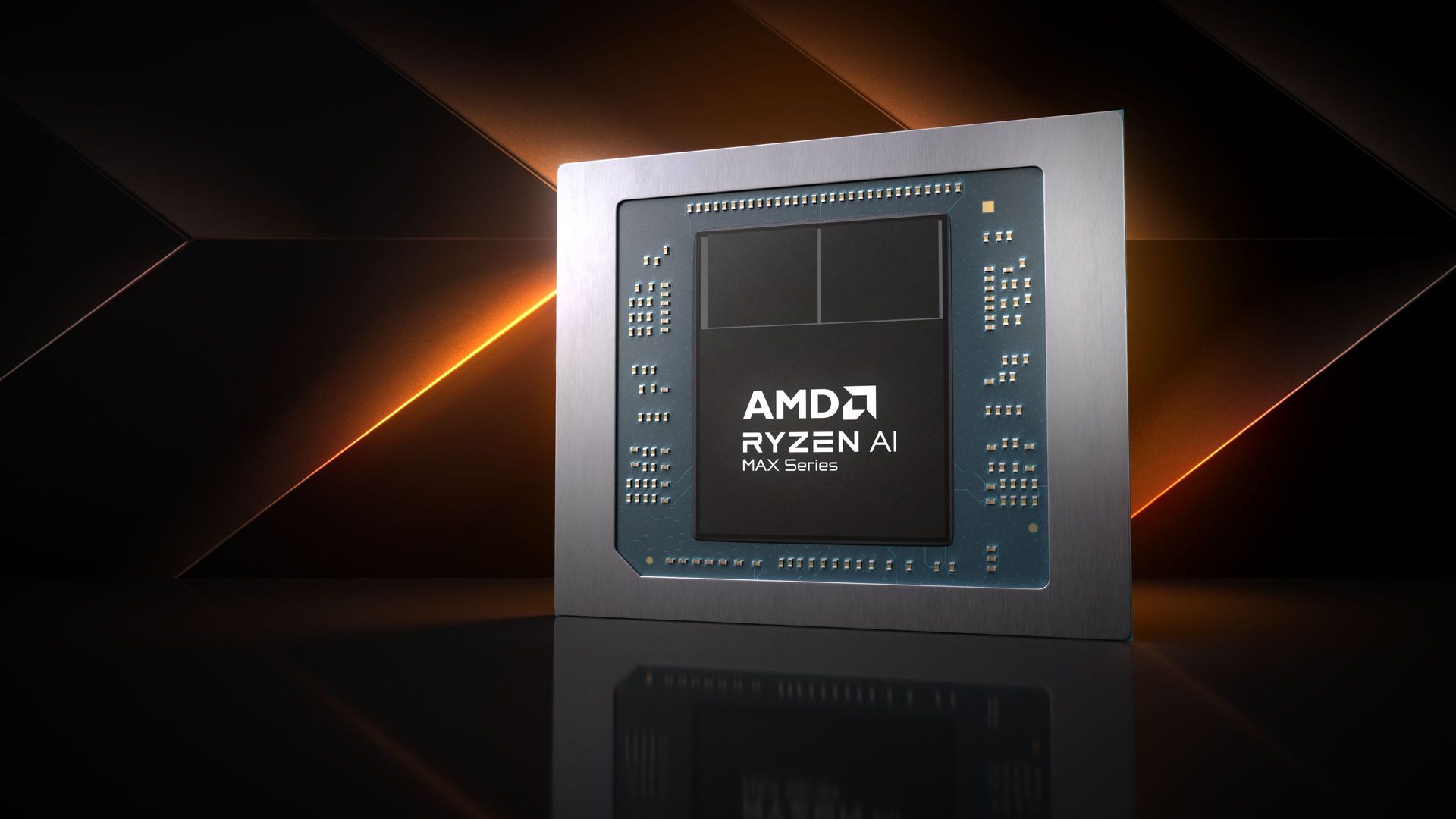
Tom's Hardware reported that AMD is getting ahead of an expected RTX Spark launch later this week with benchmarks for its flagship Gorgon Halo chip, the Ryzen AI Max+ Pro 495. The timing is the message. Releasing performance figures before a competitor's launch is a way to frame the comparison before the comparison exists.