The software stories worth reading this month are not about launches. They are about things that already shipped, already sit on tens of millions of devices, and are explained nowhere near as often as they are used. Engadget's recent pieces on tucked-away Waze features, on the oldest Samsung device that still receives updates in 2026, on the distinction between Android Automotive and Google Built-In, and Tom's Hardware's report on a developer rebuilding Windows Minesweeper as a parody of triple-A excess, all describe software that arrives without a keynote or an upgrade funnel. That is the thread: a large share of the software Americans actually depend on is undocumented by its makers, and the gap is being filled by journalists, hobbyists, and the occasional parodist.
Features Without a Sales Pitch
Engadget's Waze piece begins from a plain premise: there are a load of features tucked away in Google's other mapping app. The phrasing matters. Waze is not a product Google campaigns around the way it campaigns around Maps. It is maintained, it is used, and its deeper capabilities are discovered rather than announced. For US consumers, that means the value of a free app is partly determined by whether anyone tells them what is inside it. The cost of not knowing is invisible, which is precisely why it persists.
The Update Clock Is the Product
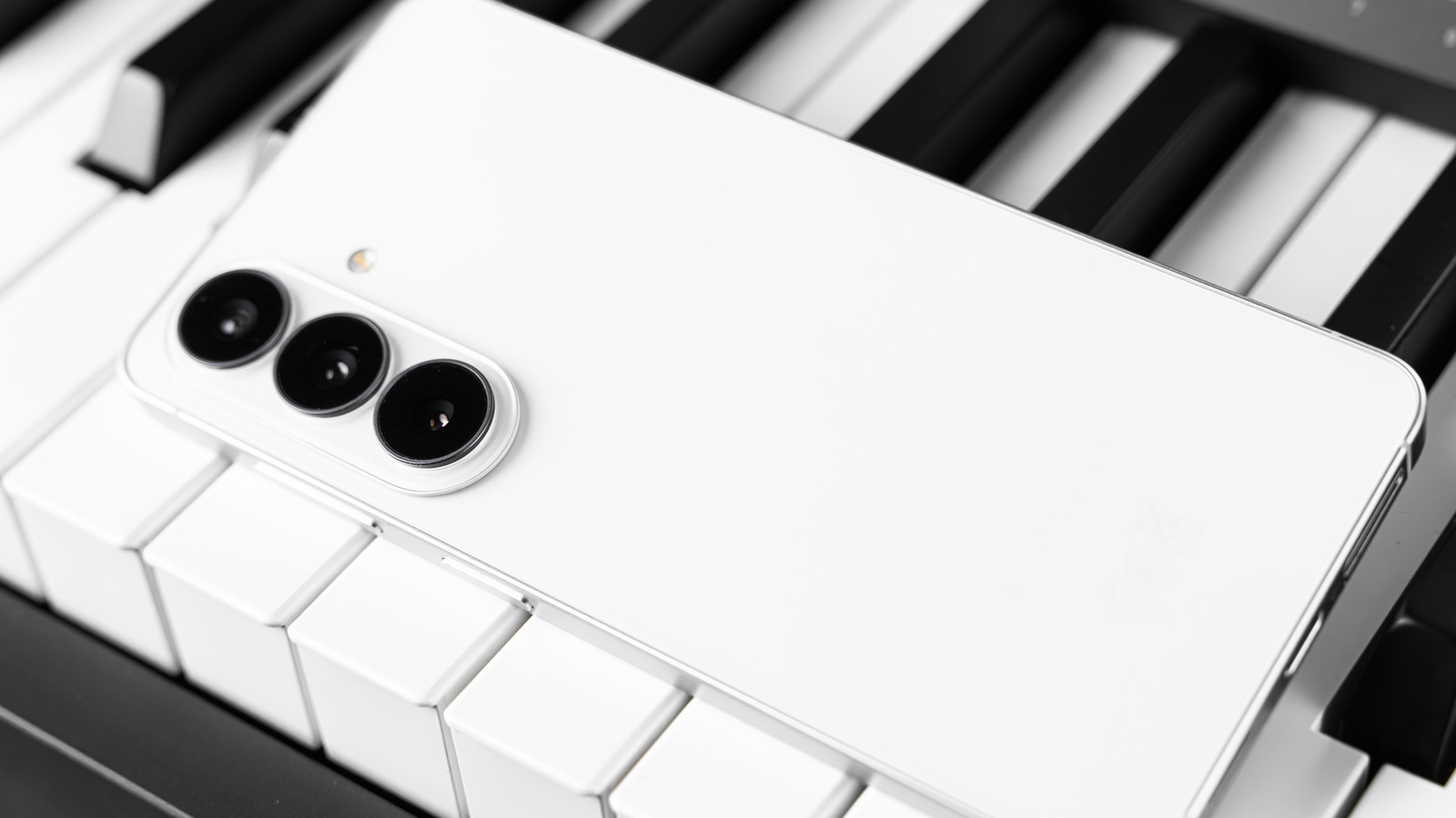
Engadget's Samsung piece frames a question that would have been strange to ask a decade ago: what is the oldest Samsung device that still gets software updates in 2026? The article's own justification is the useful part. Knowing how long a phone will receive updates is important for deciding when to upgrade. That reframes the handset as a subscription to maintenance rather than a piece of hardware. For US buyers, who mostly acquire phones through carrier plans and trade-in offers, the length of that maintenance window is a real input into total cost, yet it is rarely printed on the box. The story exists because the manufacturer's own communication does not answer it cleanly.
Two Names for One Dashboard
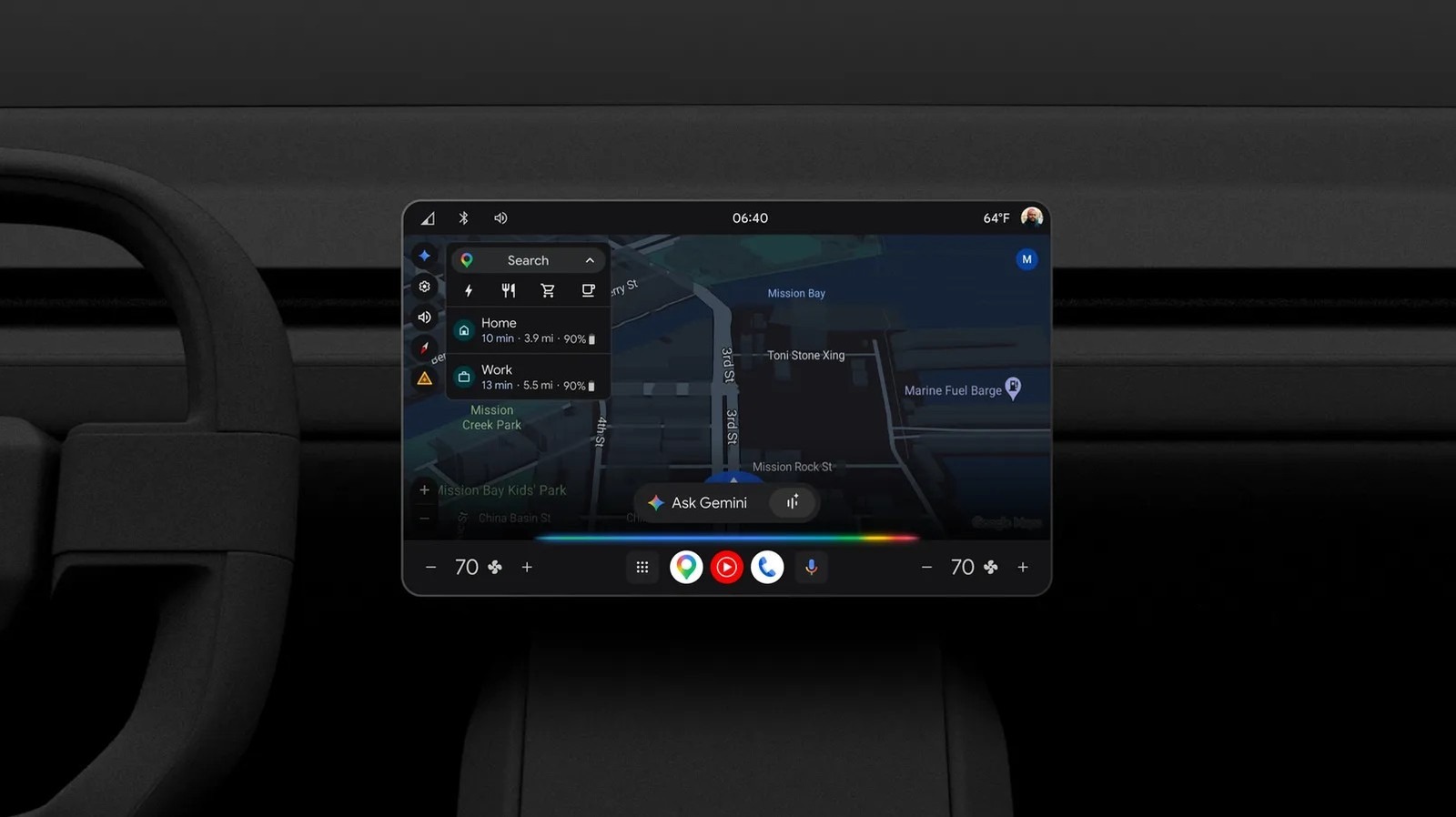
Engadget's explanation of Android Automotive versus Google Built-In addresses a distinction that confuses buyers precisely because both terms sound like the same thing. One is a set of apps; the other can run almost everything inside a car. This is not an academic taxonomy. It determines what a US driver can install, what will age well, and what will not. Automakers have an incentive to blur the line, since a familiar name sells vehicles. The clarification is left to others.
Parody as Documentation
Tom's Hardware's report on a developer turning classic Windows Minesweeper into a hand-holding parody of a big-budget triple-A release is the odd one out and the most revealing. The joke only lands because the audience recognizes the conventions being mocked: the tutorial that will not end, the production values applied to something trivial. Minesweeper is software that shipped with Windows for years and was never marketed at all. The parody is a form of criticism, but it is also a form of documentation, describing by imitation how mainstream game design now behaves.