The Thread
Apple no longer needs to win the foldable category to shape it, or to win parental controls to define them. The three stories on this beat this week - Vivo's X Fold 6, iOS 27's Screen Time controls, and iPhone Duo imitation on Android - show a single pattern: Apple's operating system choices now set the terms that Android hardware makers and Android users react to. The competitive center of gravity has moved from hardware specs to OS behavior, and US consumers are feeling that shift in what their devices can do and how quickly they can do it.
Foldables and the Apple Shadow
CNET's review of the Vivo X Fold 6 is largely positive. The reviewer calls it a solid example of an Android foldable and singles out the blue finish as the favorite thing about it. That is a hardware verdict. But the same review adds a caveat that has nothing to do with hinges or color: the reviewer worries that Apple has changed the game.
That is a telling thing to worry about in a foldable review. The X Fold 6 is not being judged against other Android foldables alone. It is being judged against an Apple product that, whatever its exact form, has reset expectations for what a foldable should feel like and do. The Android foldable's hardware advantages - maturity, choice, price points - no longer insulate it from an Apple comparison. For US consumers, that means the foldable question is increasingly framed by Apple's OS decisions even when the device in hand runs Android. The reference point has shifted.
Apple Sets the Terms, Android Follows
The third story sharpens the point. CNET's commentary on the iPhone Duo's unfolding animation describes Android users trying to recreate that style on their own devices, and calls the effort a little desperate. The writer does not doubt that some Android users have done it. The doubt is about what the imitation signals.
This is the pattern in its purest form. An OS-level animation - a small, deliberate design choice inside Apple's software - becomes desirable enough that users of a different operating system spend time reproducing it. Apple did not need to ship an Android app or license anything. The behavior of its OS created the demand. For US technology companies, that is the competitive problem in one image: differentiation that used to live in hardware now lives in software details that are hard to copy cleanly and easy to want.
Parental Controls as a Platform Feature
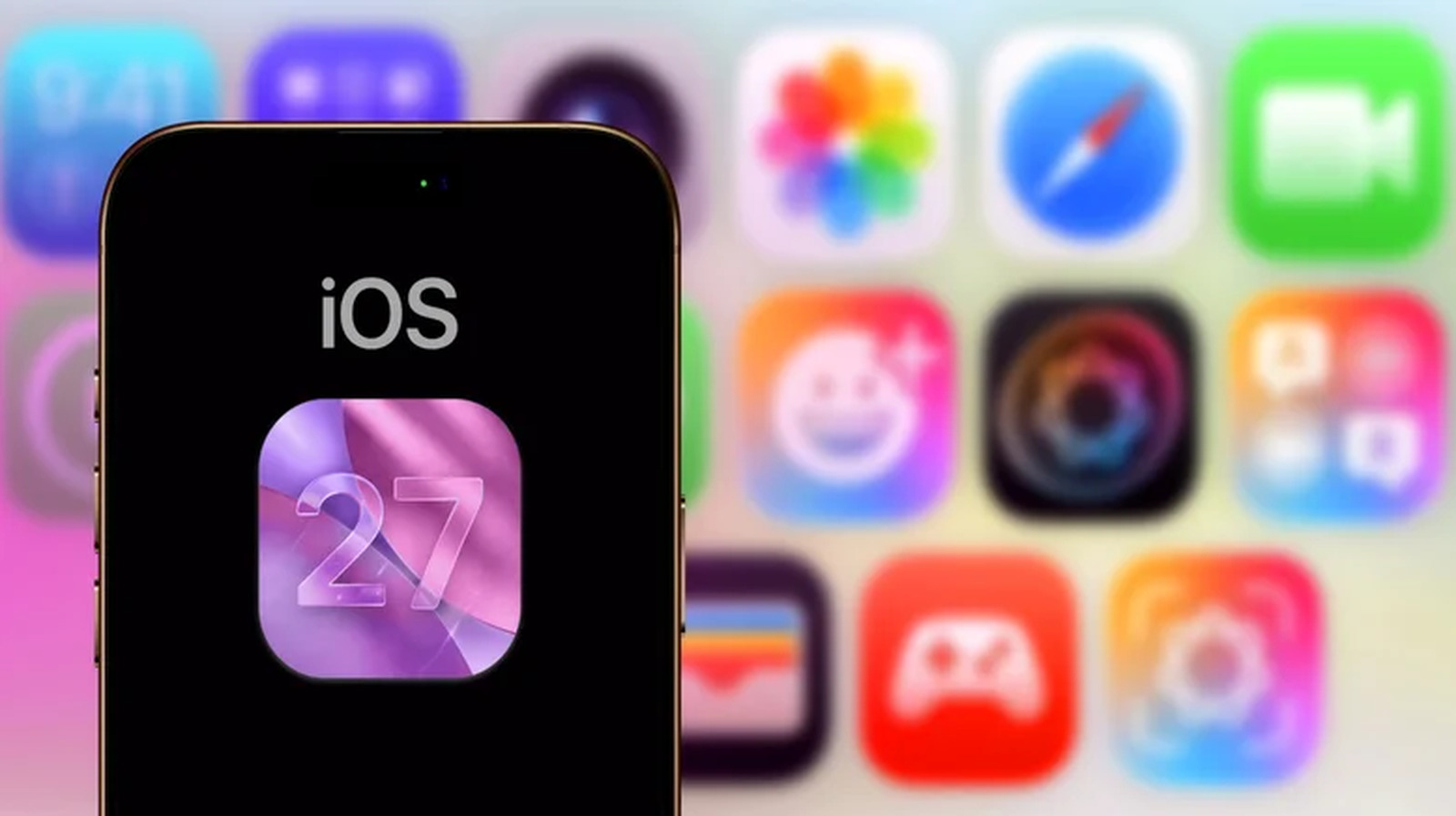
Engadget's piece on iOS 27's parental controls shows the same dynamic from the other direction. Screen Time gets new features to help parents manage their children's Apple devices, along with refinements to existing controls. This is not a device launch. It is an operating system capability, delivered to hardware people already own.
The practical effect for US families is that the value of an iPhone or iPad can rise without a new purchase, because the OS update changes what the device can do. For Android vendors, the comparison is uncomfortable. Parental controls are exactly the kind of feature that is judged in daily use, not in spec sheets, and Apple is iterating on them inside its own stack. Android makers can match the feature list, but they cannot match the delivery model: one vendor, one update path, one set of controls that arrives on a schedule Apple controls.