The Thread
Three stories logged on this beat in recent weeks point at one pattern: the smartphone business is being reshaped by what happens after a phone is bought, not at the moment it launches. A software update is causing call problems on foldables, per Engadget. Non-US brands are pushing foldable designs of their own while Apple's foldable gets the attention, per Engadget. And a major Android software update is delivering a slate of new features that owners have to discover for themselves, per Engadget. The common thread is that smartphone competition has moved to the post-purchase experience and to form factors that break the old upgrade rhythm.
Software Updates Are Now Events With Consequences
Samsung's Galaxy phones that upgraded to Android 17 and One UI 9 received a set of new features, some more helpful than others, as Engadget reported. That framing is ordinary, and that is what makes it notable. A platform update arriving with a mixed bag of additions is no longer a footnote; it is a release that reshapes what an already-sold device can do. The old model treated the phone as finished at purchase and the update as maintenance. The current model treats the update as the product's second act.
That shift matters to US consumers because it changes the economics of holding a phone. If the most consequential features arrive through software, the gap between a two-year-old handset and a new one narrows. The upgrade decision becomes a question about hardware condition and battery rather than capability. It also means the quality of a vendor's update process becomes part of the buying decision in a way it was not before.
Updates Can Also Break What Already Works
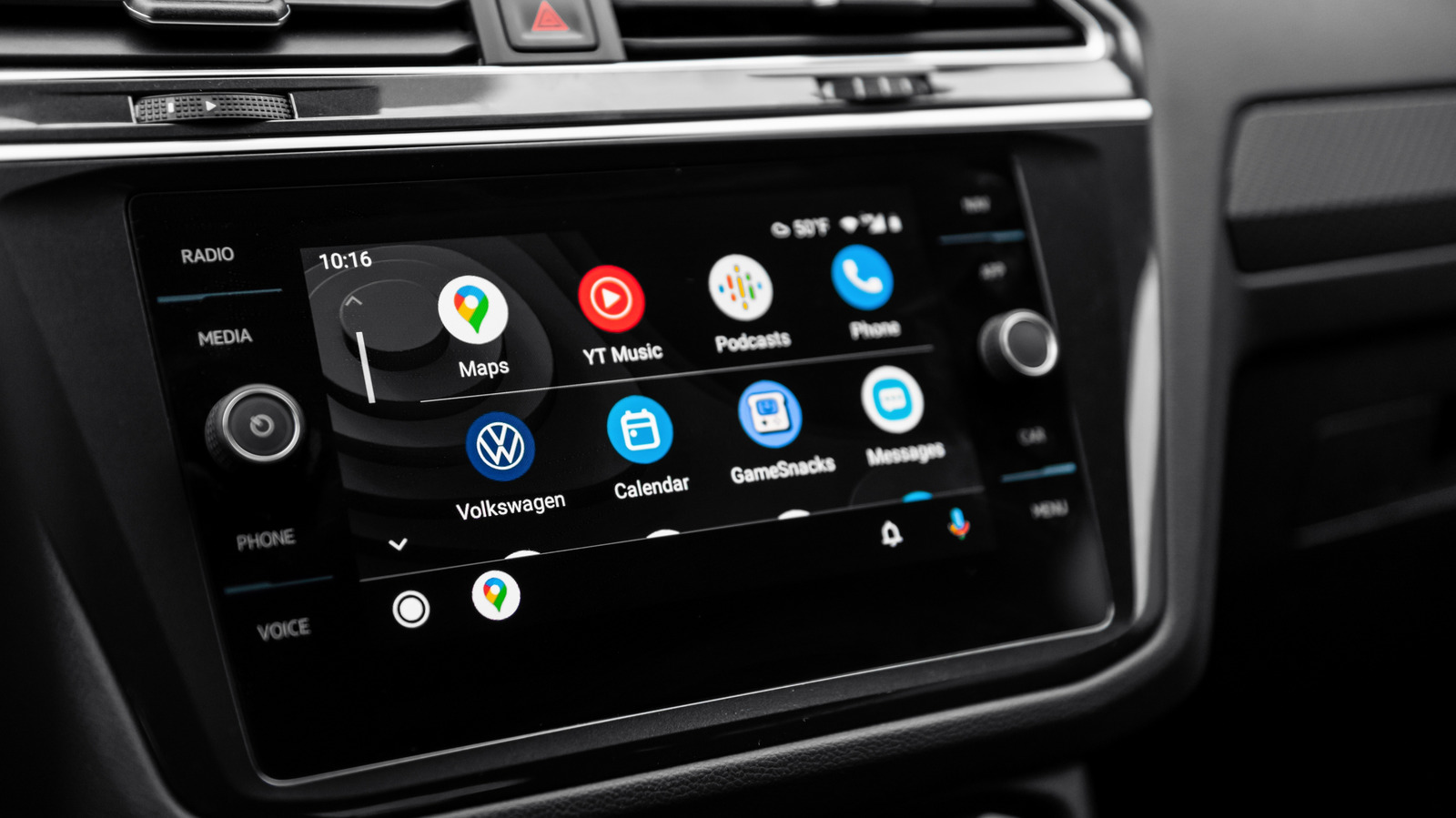
The Android Auto problem affecting calls on foldable phones, possibly linked to Gemini, as Engadget reported, is the other side of the same coin. When value is delivered through updates, risk is delivered the same way. A feature that works today can stop working after an update, and the failure can be specific to a device category rather than the entire installed base.
For US consumers, this makes the update itself a variable in ownership. Foldable owners already pay a premium for hardware that is harder to engineer. If software problems land disproportionately on that category, the premium buys additional exposure. For US technology companies, the lesson is that update testing has become a product-quality issue, not a back-office one. The reputational cost of a broken call experience is higher than the cost of shipping a feature a quarter later.
Foldables Are Where the Form-Factor Argument Lives
Apple's foldable phone has everyone talking, but competitors have their own offerings in different ways, as Engadget reported, referring to Xiaomi, Oppo and other non-US brands. Two things are true at once here. Apple's anticipated entry legitimizes the category. And the companies already selling foldables have had years to work out how the hardware should behave differently from a slab phone.
That is the competitive bind for US market observers. Apple's reputation for refinement has historically meant entering a category late and defining it. With foldables, the category has been defined in advance by rivals that are not constrained by the same US carrier and retail dynamics. The result is that Apple's foldable will be judged against an existing standard rather than setting one, at least on hardware.