The RAM Squeeze Is Reshaping How PCs Get Built

Photo: The Verge

Article

The RAM Squeeze Is Reshaping How PCs Get Built

NagiOctober 10, 20265 min read

Soaring memory prices are pushing Intel, AMD, and Gigabyte back toward DDR4, and that retreat says as much about the PC industry as any new chip launch.

The recent run of memory-related stories points to a single underlying shift: the cost of RAM has become the dominant constraint on how PCs are designed, sold, and upgraded in the United States. CPU makers and motherboard vendors are responding not with a leap forward but with a partial retreat to older memory standards. The pattern is less about nostalgia for DDR4 than about the economics of keeping the PC upgrade cycle alive when one component threatens to price ordinary buyers out of the market.

A Price Problem Big Enough to Change Roadmaps

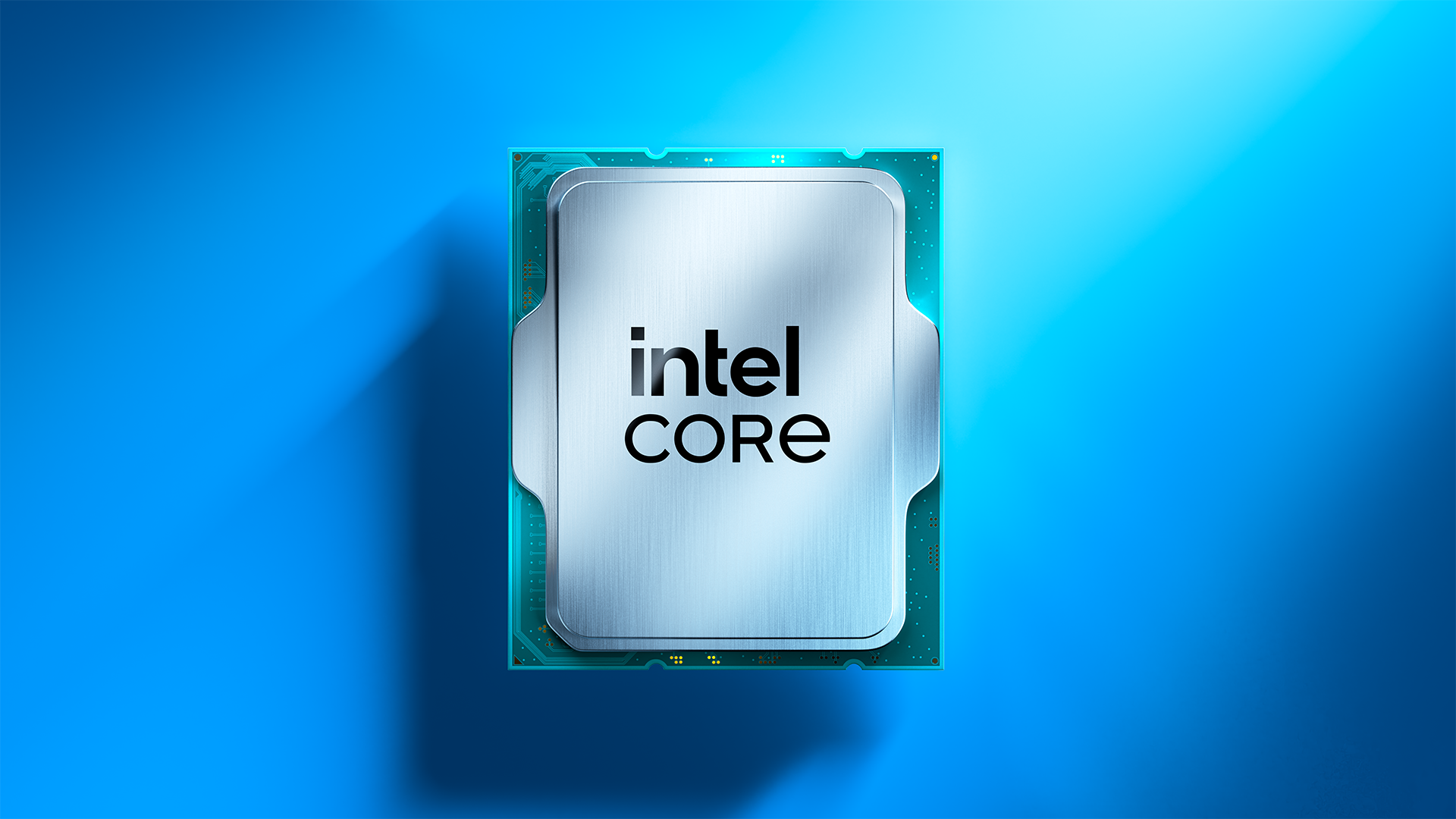
The Verge's report on the return of decade-old RAM frames the situation bluntly: seemingly unending RAM price hikes are making it tough for a lot of people to upgrade their PCs. That is not a niche enthusiast complaint. Memory is a foundational component, and when its cost climbs persistently, every other decision in a build or a prebuilt configuration bends around it. Intel and AMD, according to The Verge, are responding by making new CPUs that support the older, more affordable DDR4 memory rather than pushing everyone toward the newer standard. Engadget's coverage of Intel reportedly launching new CPUs on old sockets that support DDR4 makes the connection explicit, noting that the RAMpocalypse is involved. The important detail across both stories is that this is not a minor product refresh. It is a change in platform strategy driven by component pricing, which is a rare thing to see acknowledged so openly.

The Socket Becomes a Cost-Management Tool

The Engadget report adds a detail that matters more than it first appears: new CPUs arriving on old sockets. Sockets determine what motherboard a chip can drop into, and they have traditionally been tied to generational transitions. Reusing an older socket alongside DDR4 support lowers the total cost of an upgrade because buyers can keep an existing motherboard and existing memory rather than replacing both. For US consumers sitting on machines that are a few years old, that is the difference between a meaningful upgrade and one that is not worth the expense. The Verge's note that Gigabyte announced support for two of its products on Friday shows the response is spreading through the supply chain, from chip designers to board makers. When multiple layers of the industry coordinate around backward compatibility, it signals that demand for affordable upgrades is strong enough to override the usual push toward new standards.

DDR4's Second Life Is a Signal, Not a Trend

It would be easy to read these stories as a comeback narrative for older memory. That reading misses the point. DDR4 is not returning because it is better; it is returning because it is cheaper and available in volumes that buyers can actually afford. The Verge's piece calls it a return to last-gen DDR4 RAM and labels it a solution to a pricing problem, not a technical advance. Engadget's framing of old sockets and the RAMpocalypse reinforces the same idea. The industry is treating backward compatibility as a pressure valve. That is a rational response to a supply-side squeeze, but it is also a concession that the newest memory standard is not currently the one most US buyers should be steered toward. Any analysis that treats this as a permanent realignment is reading too much into a cost-driven adjustment.


Why This Matters to US Buyers and Builders

For American consumers, the practical effect is that the upgrade path stays open. A person with an existing DDR4 system and a compatible motherboard may be able to install a new CPU without replacing memory or the board, which keeps the total outlay within reach. For US system builders and smaller PC manufacturers, the same dynamic applies at the inventory level: supporting DDR4 platforms lets them offer configurations at price points that DDR5-only builds may struggle to hit. The stories do not offer specific prices or market figures, and none should be inferred. What they do show is that the constraint is widely acknowledged, from CPU vendors to a major board maker, and that the response is coordinated rather than isolated. That coordination is the clearest evidence that memory cost is now a first-order concern in US PC planning.

The Two Sides of Memory in the Same News Cycle

It is worth noting what else appeared on the same desk. Engadget published an explainer on the difference between RAM and ROM, noting that these two core types of memory are used in every computing device and that their meanings have not stayed the same since their inception. That piece exists because memory terminology itself has become confusing to general readers as the underlying technologies have evolved. Wired's roundup of smart scales for tracking weight and body composition sits even further from the component market, yet it shares a thread: consumer devices are proliferating, and the memory inside them is rarely something buyers think about until cost or confusion forces the issue. Together these stories suggest that memory is simultaneously an invisible default and a visible constraint in 2026.

What the Industry Is Conceding

The return to DDR4 support is, in effect, an admission that the newest memory generation is not yet affordable enough to be the only option for mainstream US buyers. Intel and AMD making new CPUs for older memory, as The Verge and Engadget report, is not a marketing exercise. It is a practical concession that the upgrade market depends on component affordability, and that platform strategy has to bend to it. Gigabyte's Friday announcement shows board makers are willing to follow. None of this means DDR5 is failing or that DDR4 is the future. It means the industry is willing to keep a decade-old standard alive to protect the replacement cycle that sustains it.

What to Watch

Watch whether more motherboard vendors follow Gigabyte in formally supporting DDR4 on current CPU platforms, since that determines how widely the cost-saving path is available. Watch whether CPU makers extend the approach beyond the specific products reported so far, because a broader rollout would indicate the squeeze is expected to persist. Watch the framing in coverage like Engadget's, which ties the moves directly to the RAMpocalypse; if that language fades, it may signal pricing pressure easing. And watch whether explainer coverage of memory basics keeps appearing alongside hardware news, since that combination is itself a marker of a market where the fundamentals have become unsettled. The stories here do not predict an outcome. They document an adjustment, and the adjustment is the story.

More on this beat: Hardware on TechManNews.

#DDR4#memory pricing#Intel#AMD#PC hardware#US consumers

Newsletter

Get Tech News in Your Inbox

The latest AI, gadgets, software and startup stories from TechManNews, delivered every morning - free.