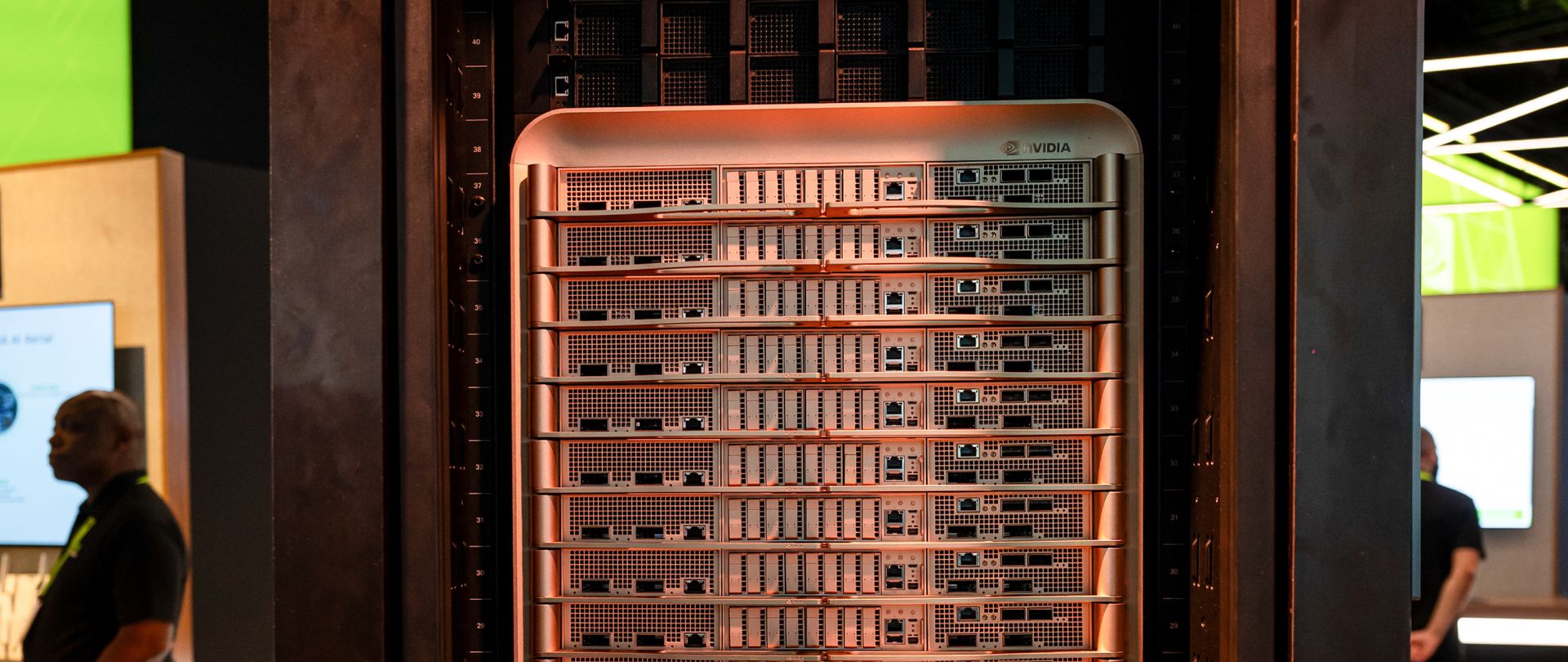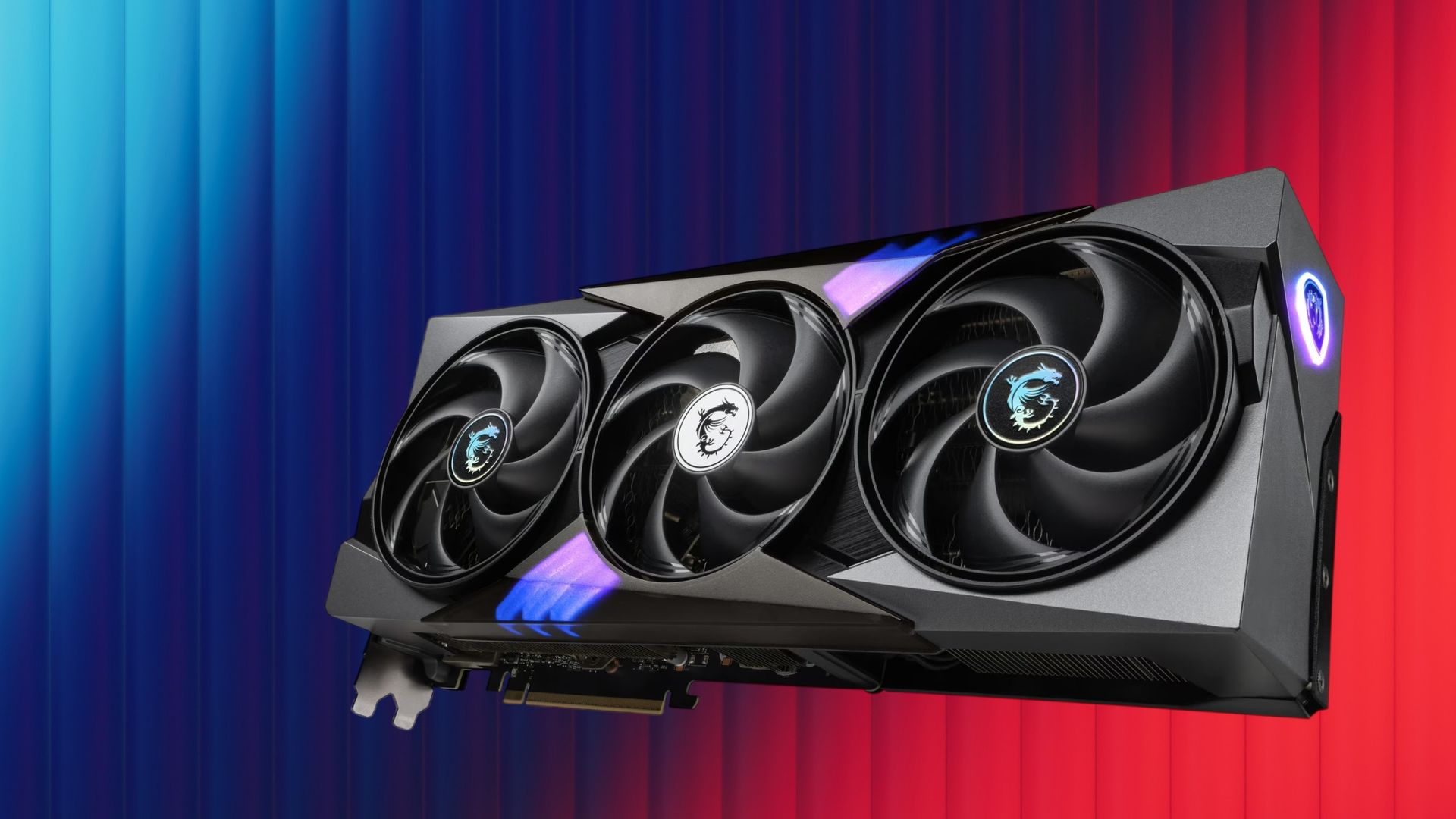
The consumer GPU market is being subordinated to the AI buildout. Nvidia has reportedly halted production of its GeForce RTX 5090-series products, leaving the GB202 silicon for data center and professional boards (Tom's Hardware). That single move ties together three otherwise disparate items on this beat: a $2,000-plus gaming card effectively pulled from the channel, batteries becoming cheaper than the natural gas turbines many data centers use (TechCrunch), and an open-source project that just reached full GPU shader instruction coverage in its quest to run PS5 games natively on PC (Tom's Hardware). The pattern is that AI infrastructure demand is now the primary allocator of advanced GPU supply, and the consumer side of the market is adjusting around it.
The Demand Signal From Data Centers
When a company stops building its flagship consumer card, the obvious question is why. The answer, per the reporting, is not weak gaming demand but the opportunity cost of GB202 dies. AI data centers and professional graphics boards command far higher margins per wafer, and in a capacity-constrained environment those customers win. This is not a new dynamic, but the RTX 5090 halt marks a more aggressive version of it: the top consumer SKU is being canceled outright rather than simply deprioritized. The GeForce RTX 5080 24 GB is rumored to become the de-facto flagship for a while, which means the ceiling for consumer graphics performance is being lowered to free up silicon for AI. US buyers who want top-tier gaming performance are the ones who absorb that decision.
A Floor Cannot Fall While the Ceiling Is Held Down
Here is the tension. Even as Nvidia reportedly reduces consumer supply at the high end, the cost structure underneath it is being pushed up by the same AI boom. TechCrunch reports that batteries are now cheaper than natural gas turbines used at many data centers, with data center demand pushing prices higher. That is a data center cost story first, but it has a consumer read-through: if the AI buildout is raising the price of power infrastructure and competing for the same chips, the economics of the consumer GPU market do not improve. Supply at the top shrinks, and the cost environment around it tightens. The result is a market where the 5080 becomes the practical high end and buyers have fewer options above it, not because gaming stopped mattering but because gaming is no longer the highest bidder for the silicon or the power.
What the AnyPS5 Milestone Says About Where Demand Goes
The AnyPS5 project reaching 100% GPU shader instruction coverage (Tom's Hardware) is the counterweight. It is an open-source effort to run PS5 games natively on PC, and full instruction coverage is the kind of milestone that suggests the project is closer to compatibility than to theory. Its significance in this context is not just technical. It points to a durable consumer appetite for high-performance GPU work that has nothing to do with AI training or inference. PC gaming demand is not evaporating; it is being outbid. When the commercial market stops serving that demand at the high end, the response shows up in open-source and preservation efforts rather than in new retail products. That is a market signal about where users are being pushed, and it is one US consumers and developers should read carefully.