The constraint moves to the center
The most interesting thing about this week's hardware and platform news is not any single product. It is that physical limits are migrating from the edges of the design brief to the center of it. Battery capacity and storage capacity, two resources American consumers have spent a decade treating as effectively infinite, are now the variables that decide what a product is. Ring built a hand crank into a smart lock to survive a dead battery, and Microsoft cut storage on shared accounts. Those are the same story told at two different layers of the stack.
Ring sells a workaround, not a battery
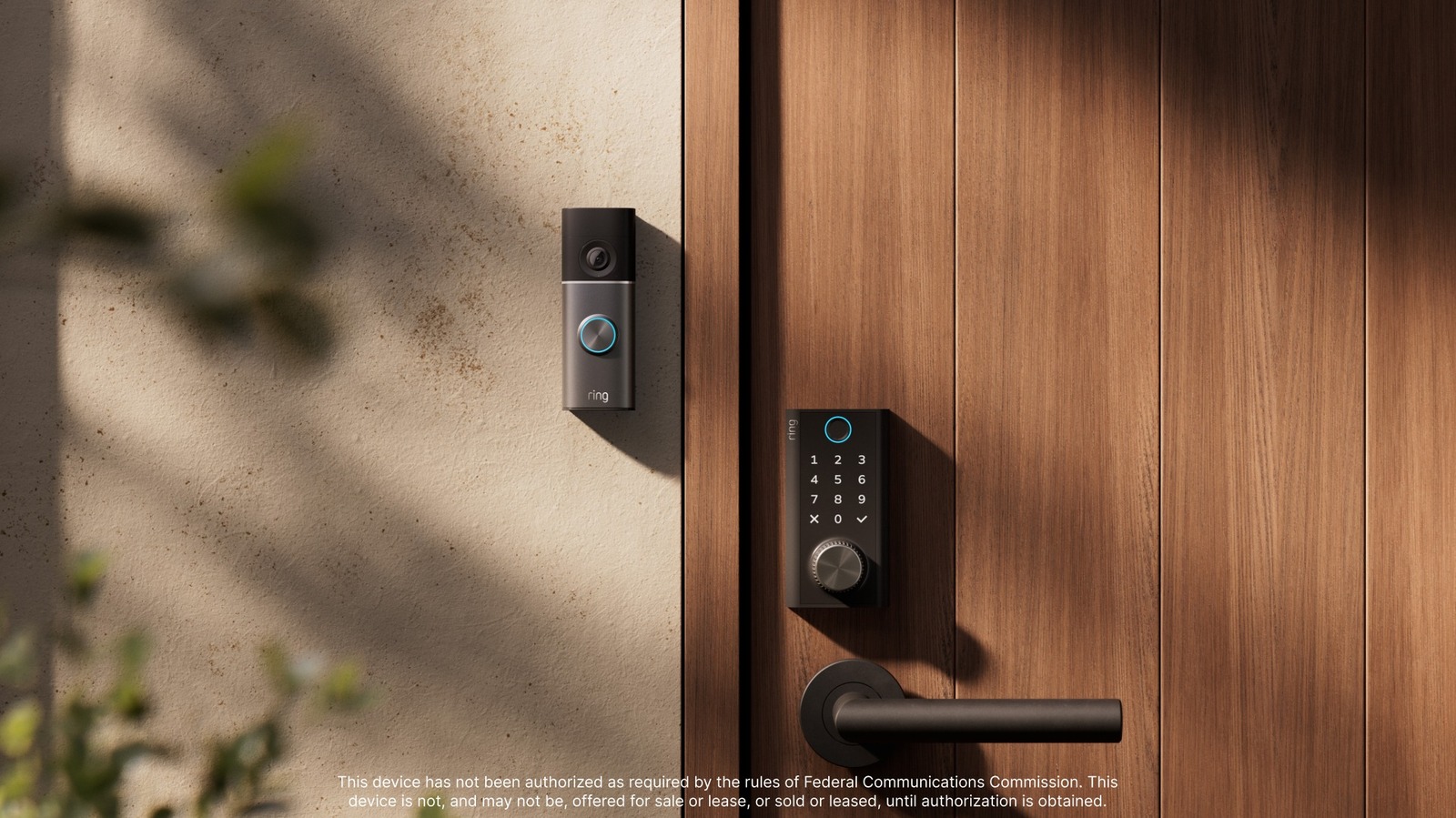
Smart locks have had a well-known failure mode since they became mainstream: when the battery dies, the lock stops being smart and sometimes stops being a lock. Ring's first smart lock addresses that directly, and the two write-ups that covered it describe the same fix from different angles. Engadget frames it as a built-in hand crank that generates power when the batteries are dead, while CNET frames it as the first-of-its-kind feature that solves one of the category's biggest pain points. Those are not competing claims; they are the same claim, and the fact that both outlets led with it is the signal.
The product is not being marketed on the mobile app, the integration, or the lock mechanism. It is being marketed on not failing when the power runs out. That is a meaningful shift in a category that spent years competing on connectivity and convenience. It implies that Ring, and by extension the rest of the US smart home market, has concluded that buyers are now more worried about a dead cell than about features. A hand crank is not an elegant engineering solution. It is an admission that battery chemistry, charging habits, and cold weather will keep producing dead locks, and that the manufacturer cannot design its way out of that.
Cloud storage stops being a free assumption
Microsoft's move on Microsoft 365 shared accounts points the same direction. As Tom's Hardware reported, the company is cutting storage capacity for shared accounts amid industry-wide shortages, which effectively raises costs for large users while potentially benefiting households whose members use very little cloud storage. The phrase that matters is "industry-wide shortages." This is not one company trimming a perk. It is an input constraint showing up in a consumer subscription.
For years, the pitch for cloud storage was that local drives were the scarce thing and the cloud was the abundant one. That framing is collapsing. When capacity is tight, the provider's cheapest move is to stop giving it away to accounts that pool it. Large users feel it as a price increase in disguise. Light users may not notice at all. The result is a quiet re-tiering of a service that had been sold on the promise that the tiering was over.
Why the two stories belong together
The common thread is that both companies are responding to scarcity by changing the shape of the product rather than the size of the resource. Ring could have shipped a bigger battery. Microsoft could have added capacity. Instead, Ring added a manual generator and Microsoft narrowed who gets the pooled storage. In both cases the engineering and the pricing move toward making the constraint survivable rather than making it disappear.
That is a rational response and probably a durable one. It also has a cost that is easy to miss in the moment. Hand cranks and storage limits push work back onto the user. The person who has to crank a lock to get into their house is doing labor that an adequate battery would have done for them. The family that has to audit which member is storing what is doing admin that pooled storage used to make unnecessary. Products that absorb scarcity feel generous. Products that redistribute scarcity to the customer feel cheaper, because they are.